
Everlane: A Case Study
USER EXPERIENCE DESIGN
CASE STUDY
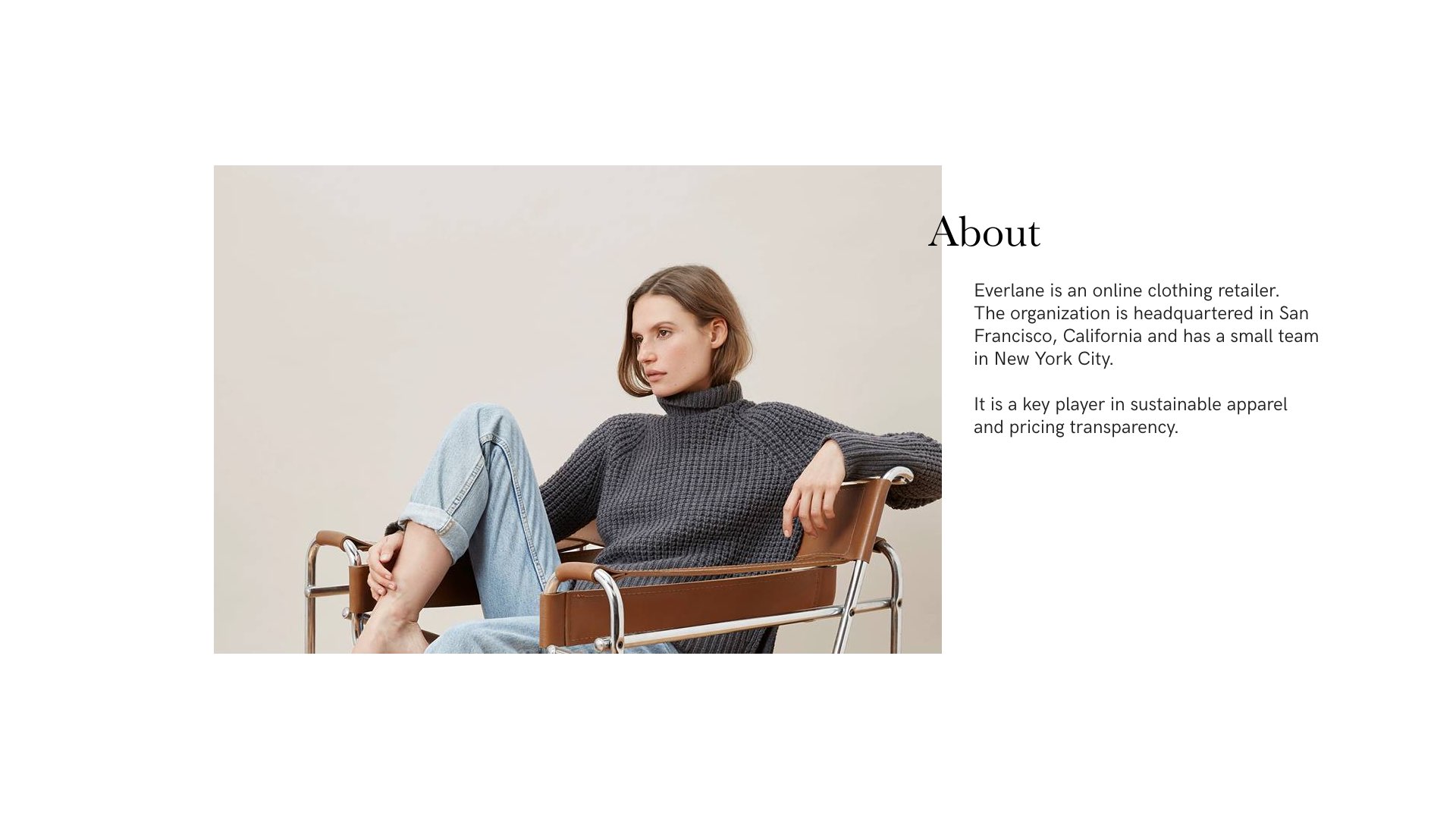
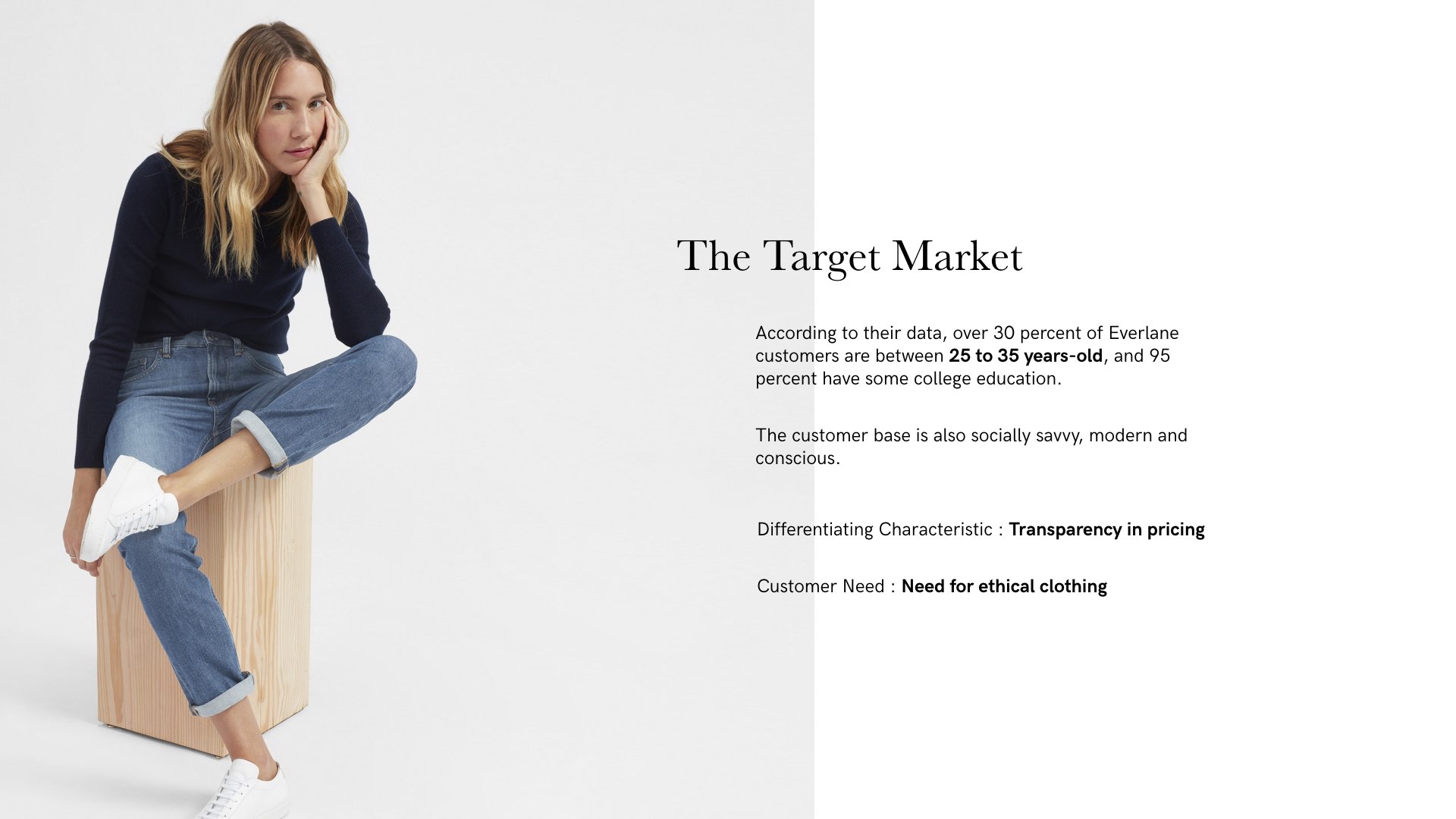
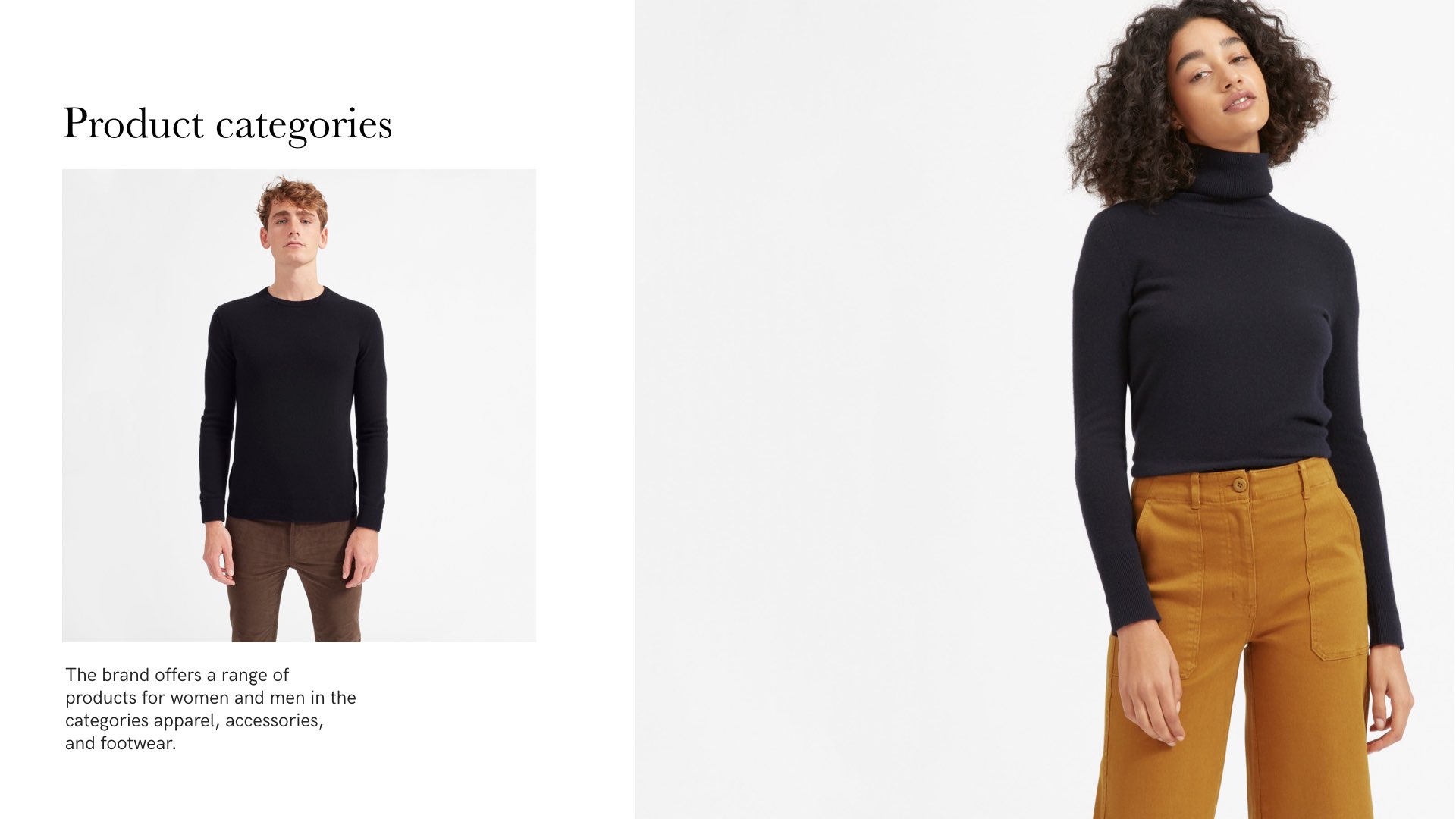
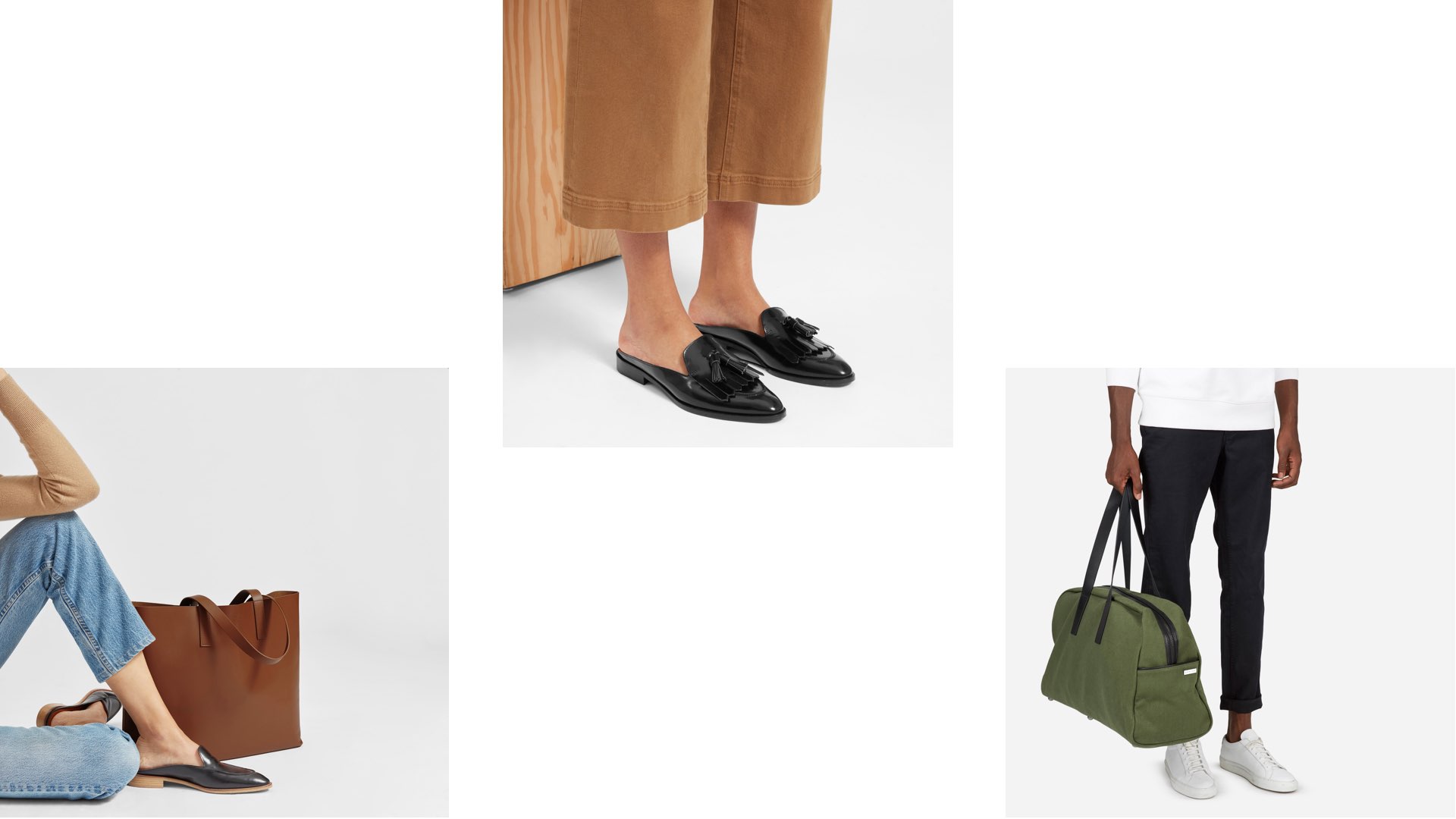
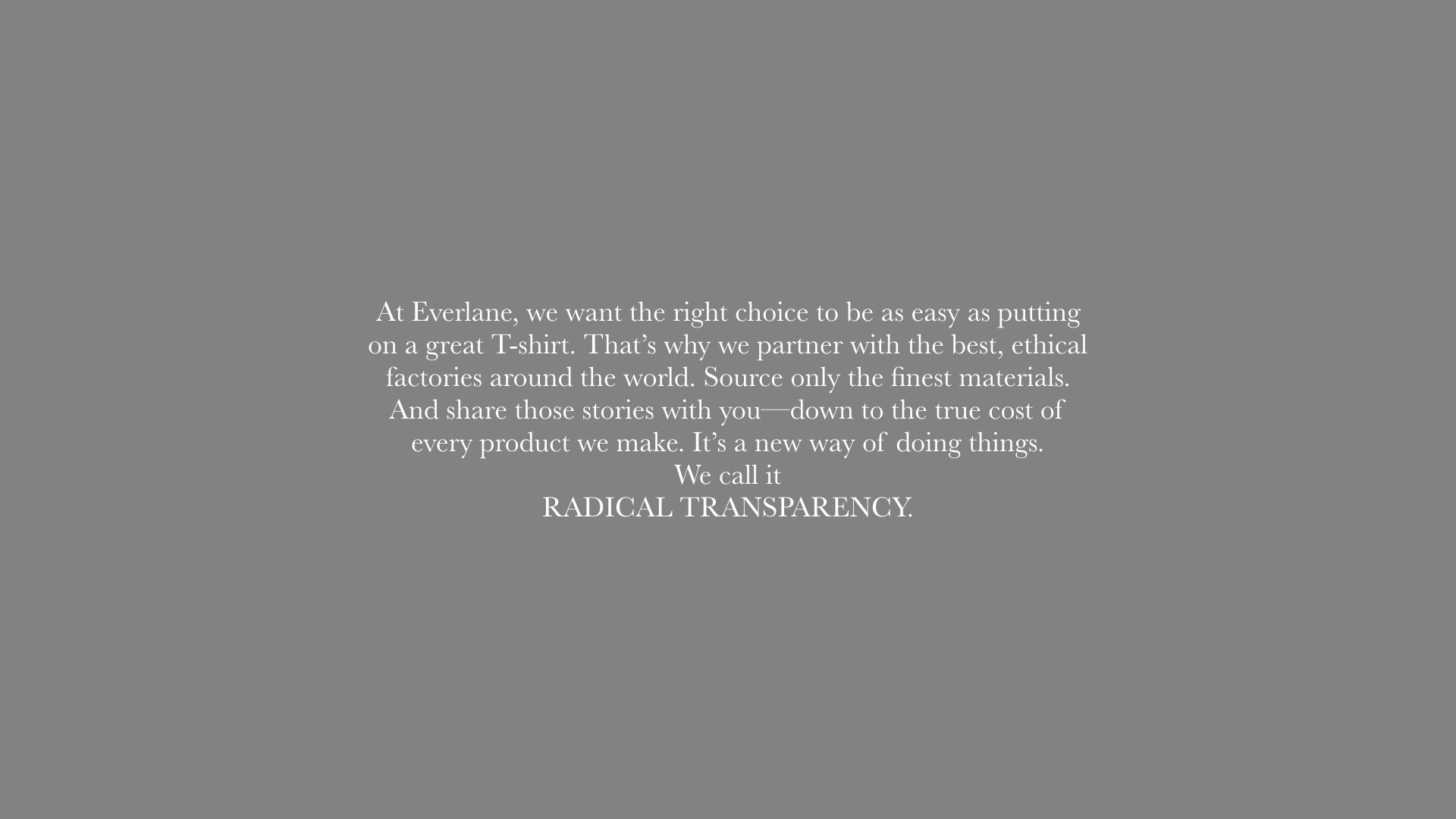
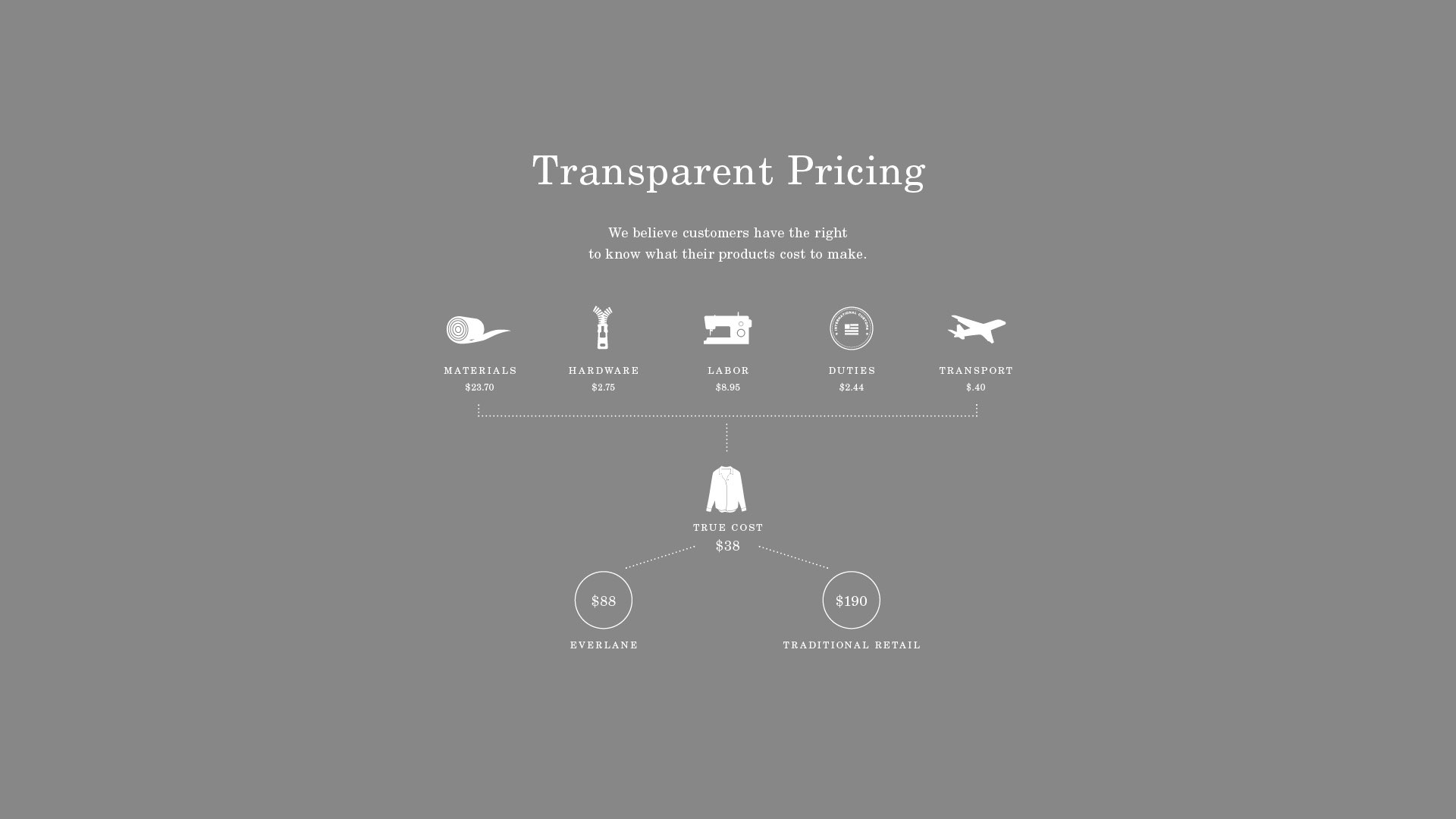
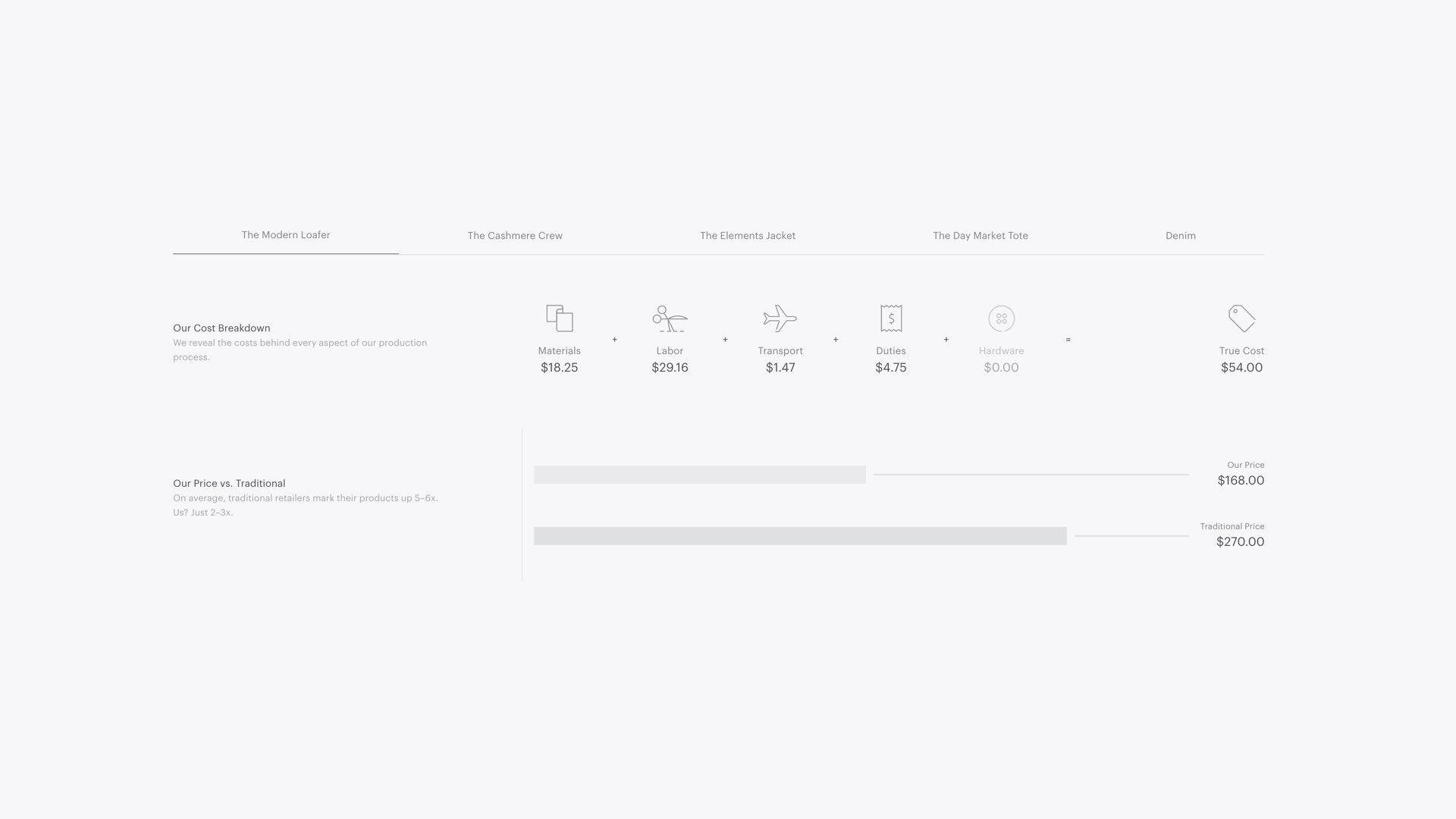
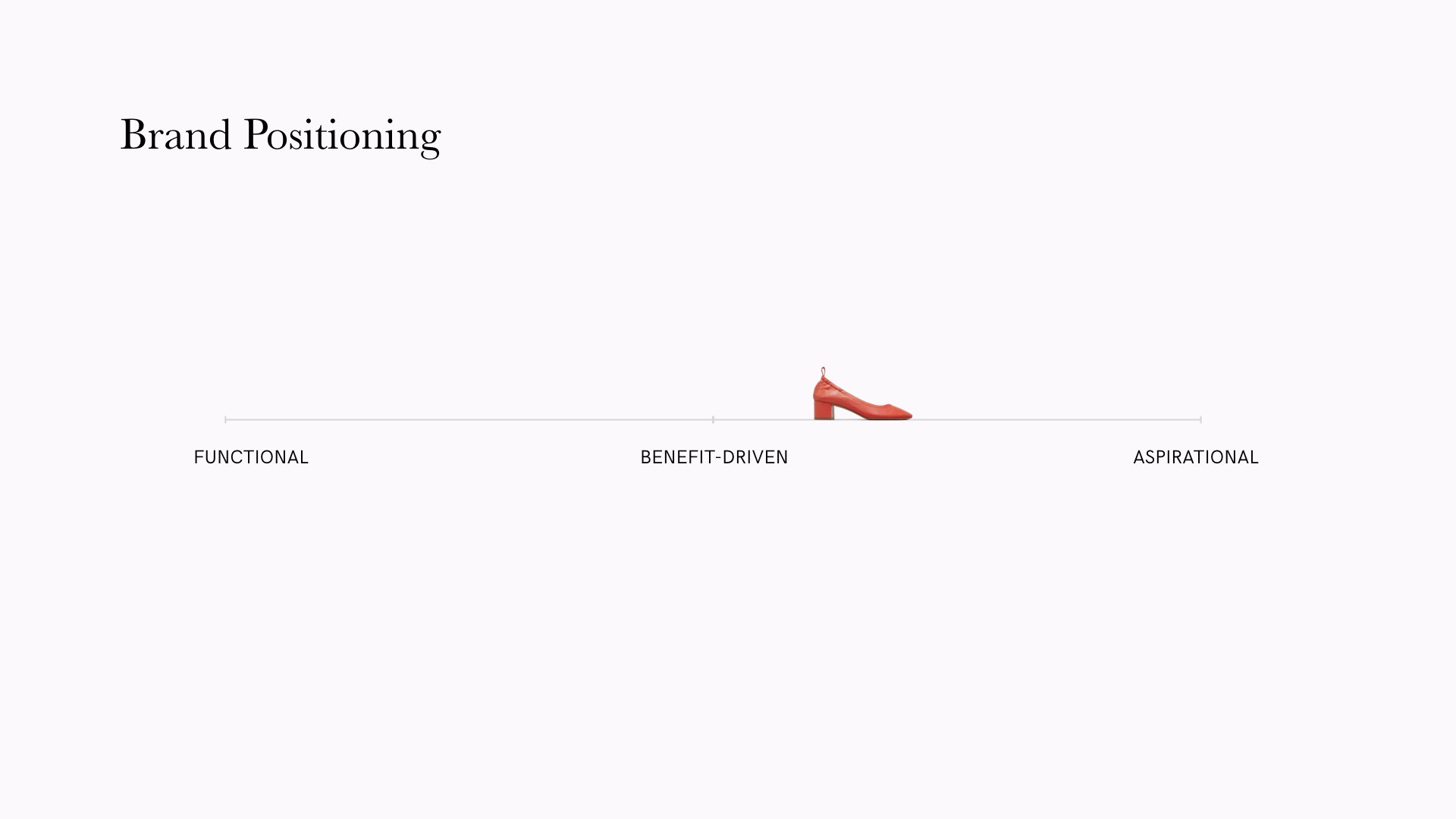
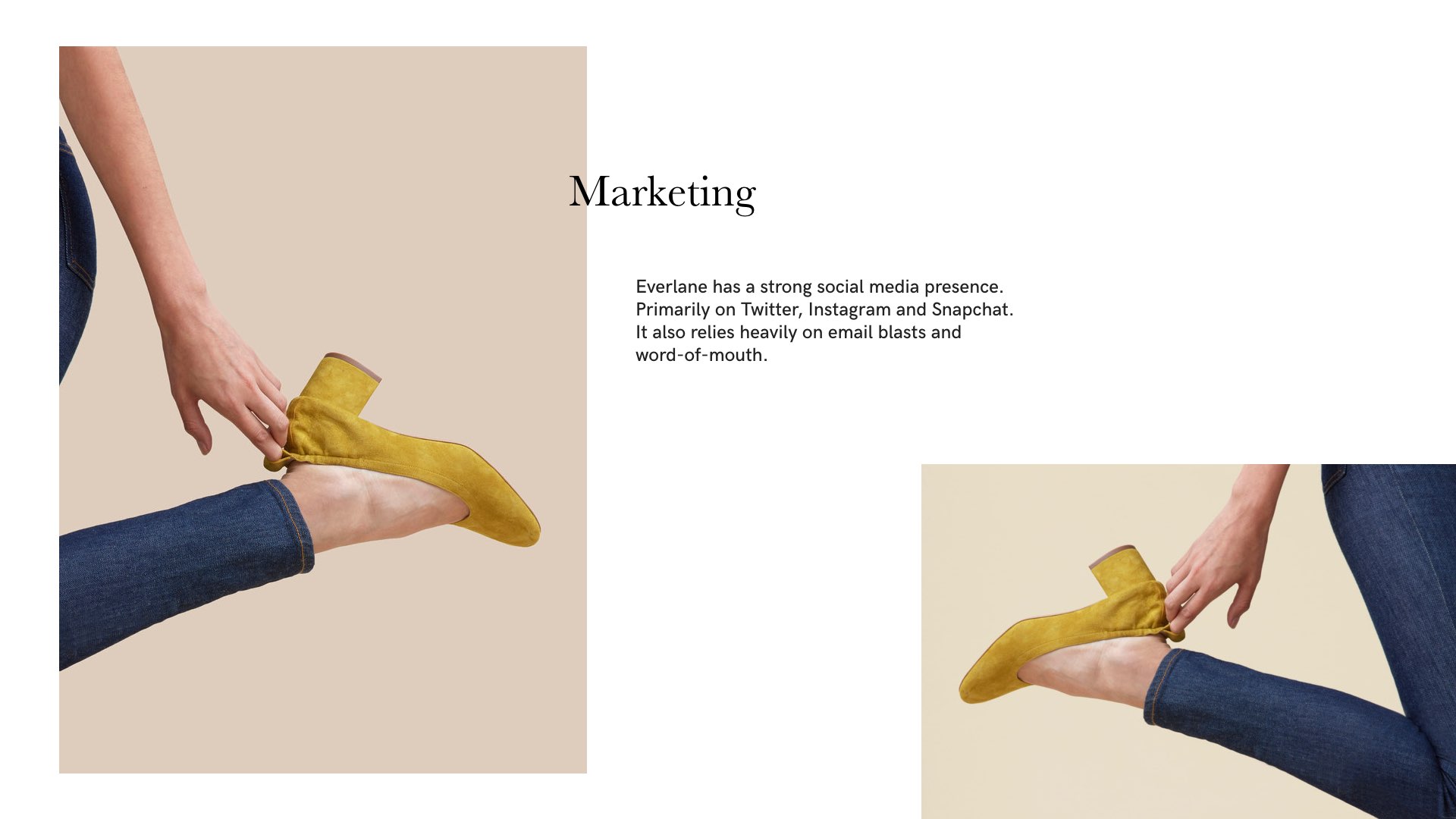
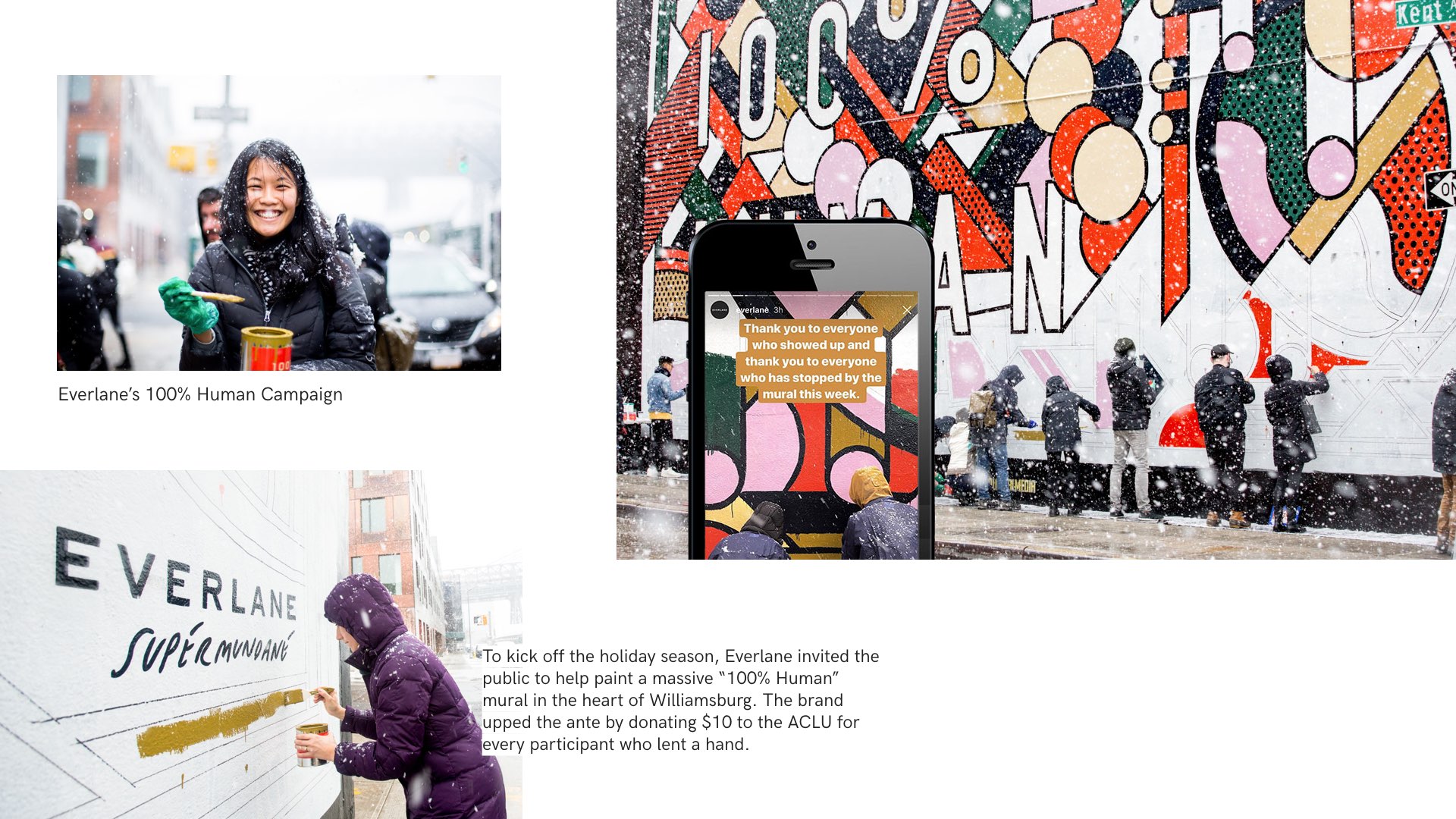
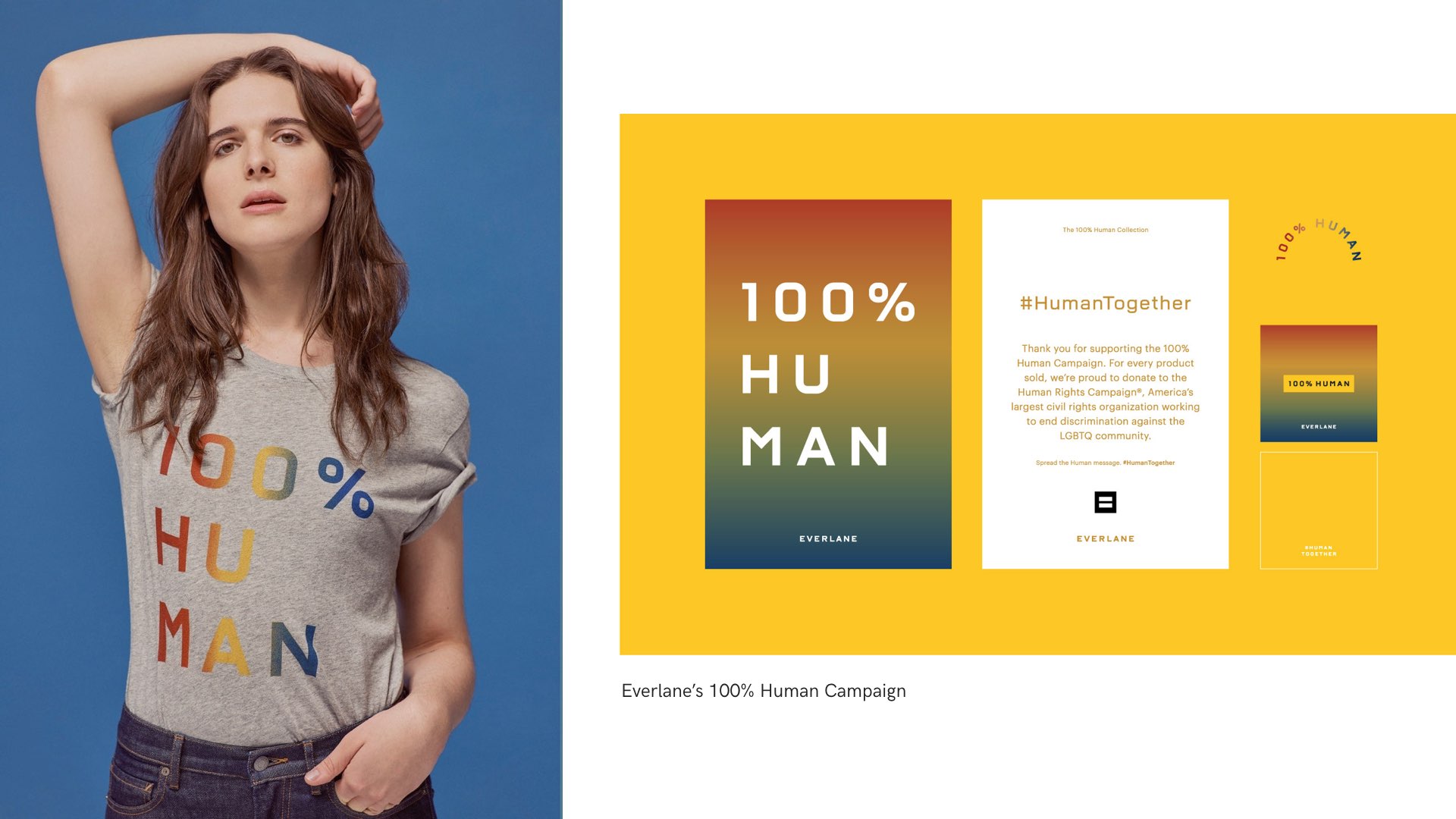
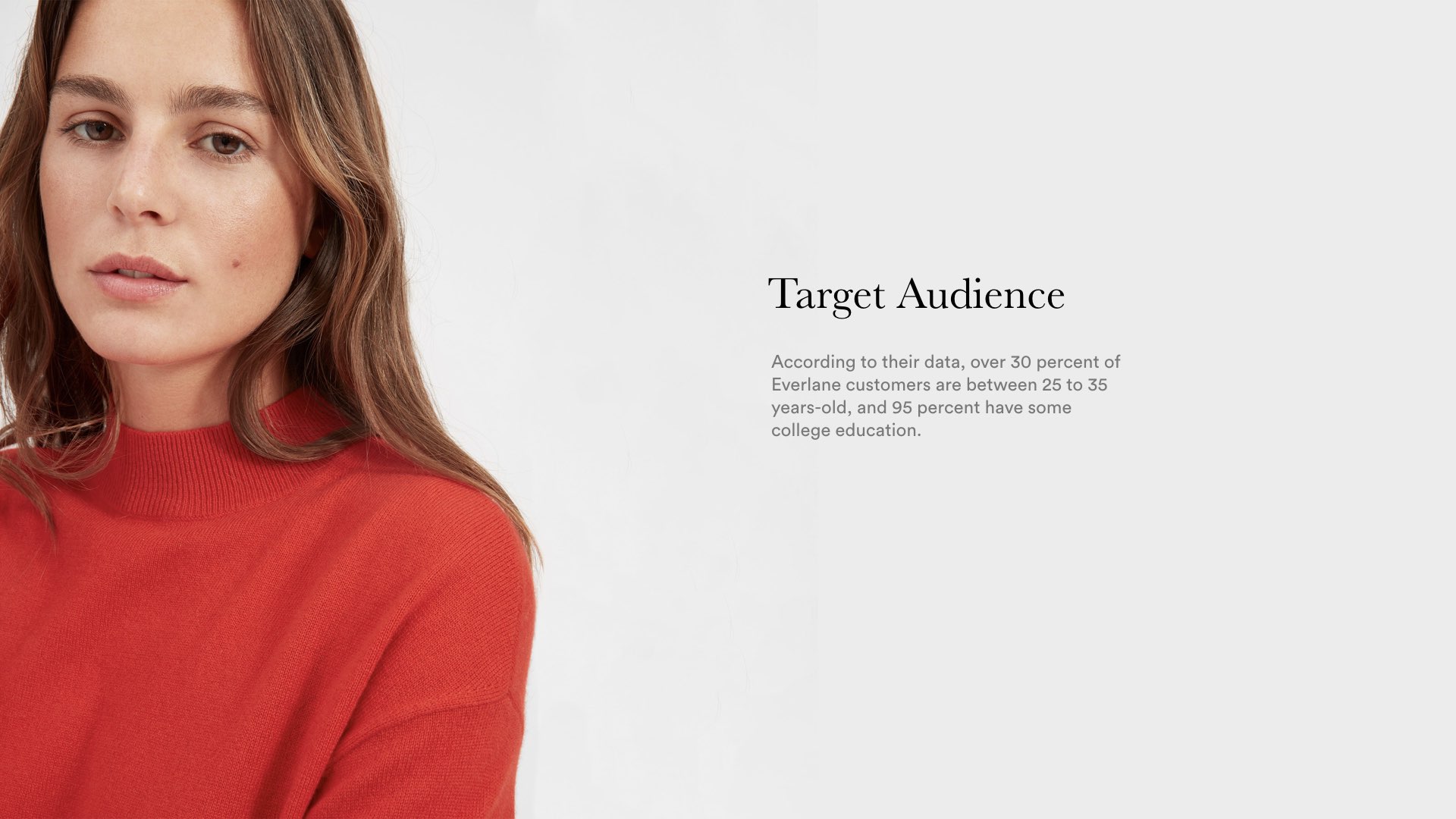
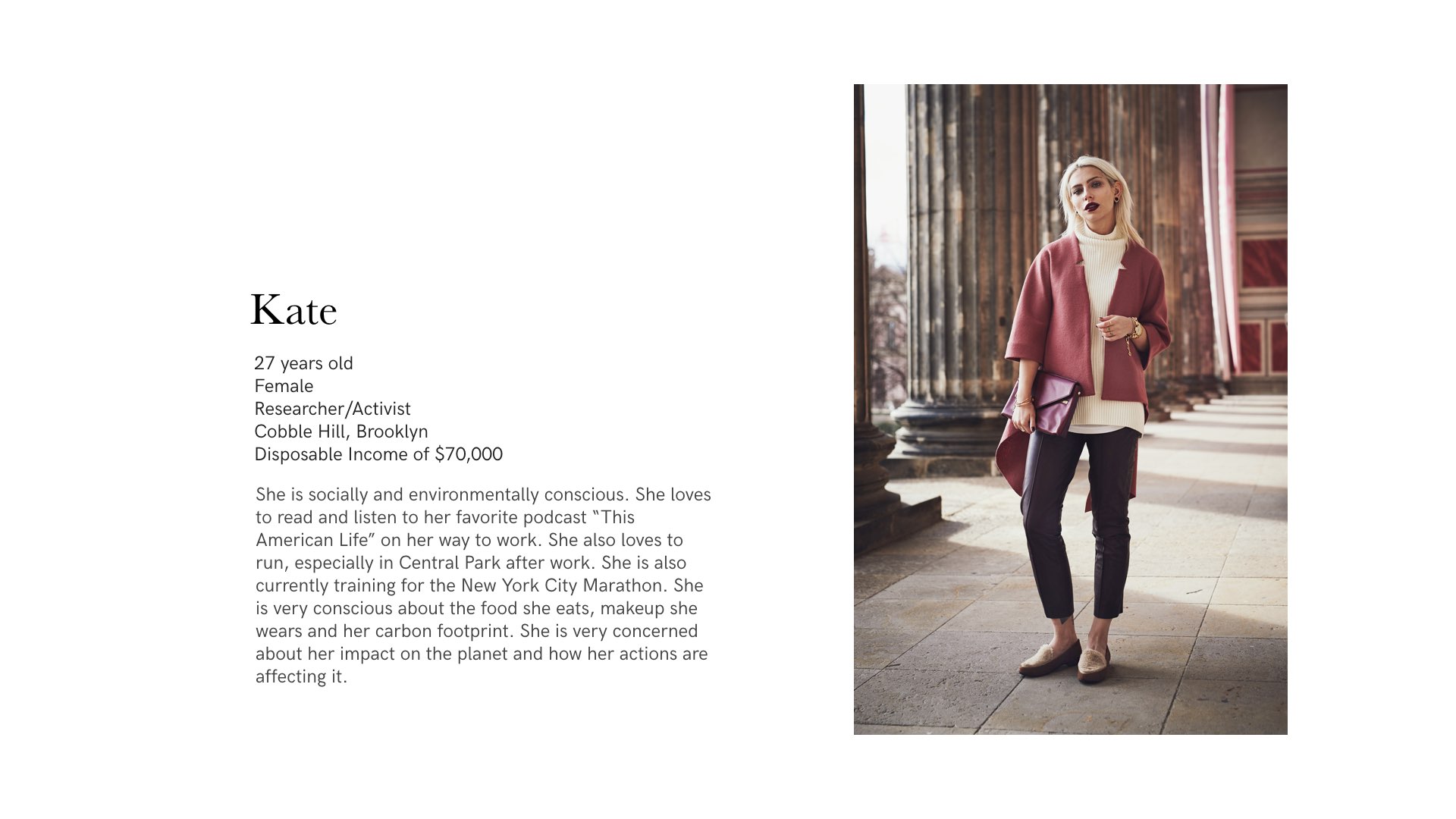
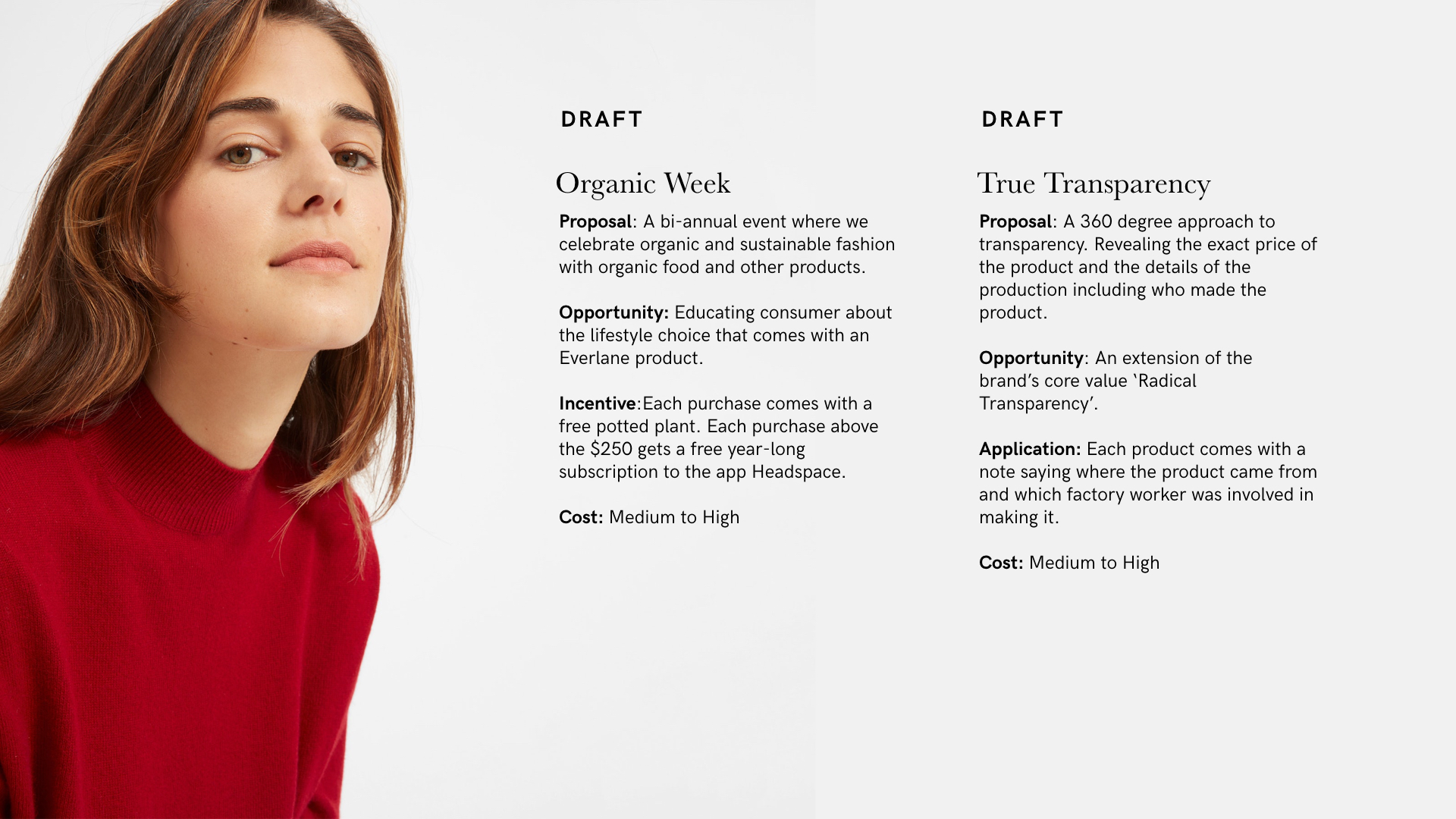
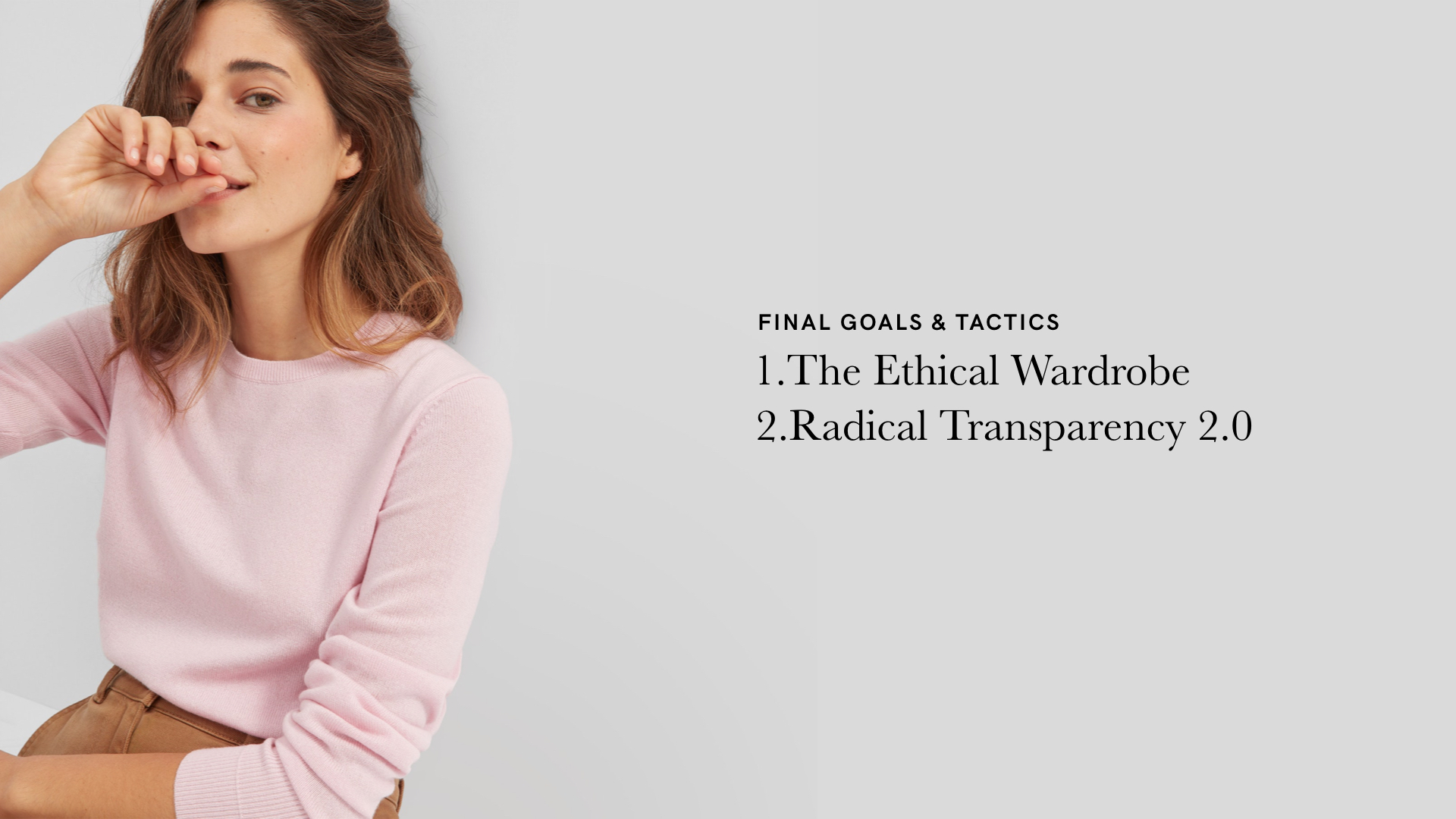
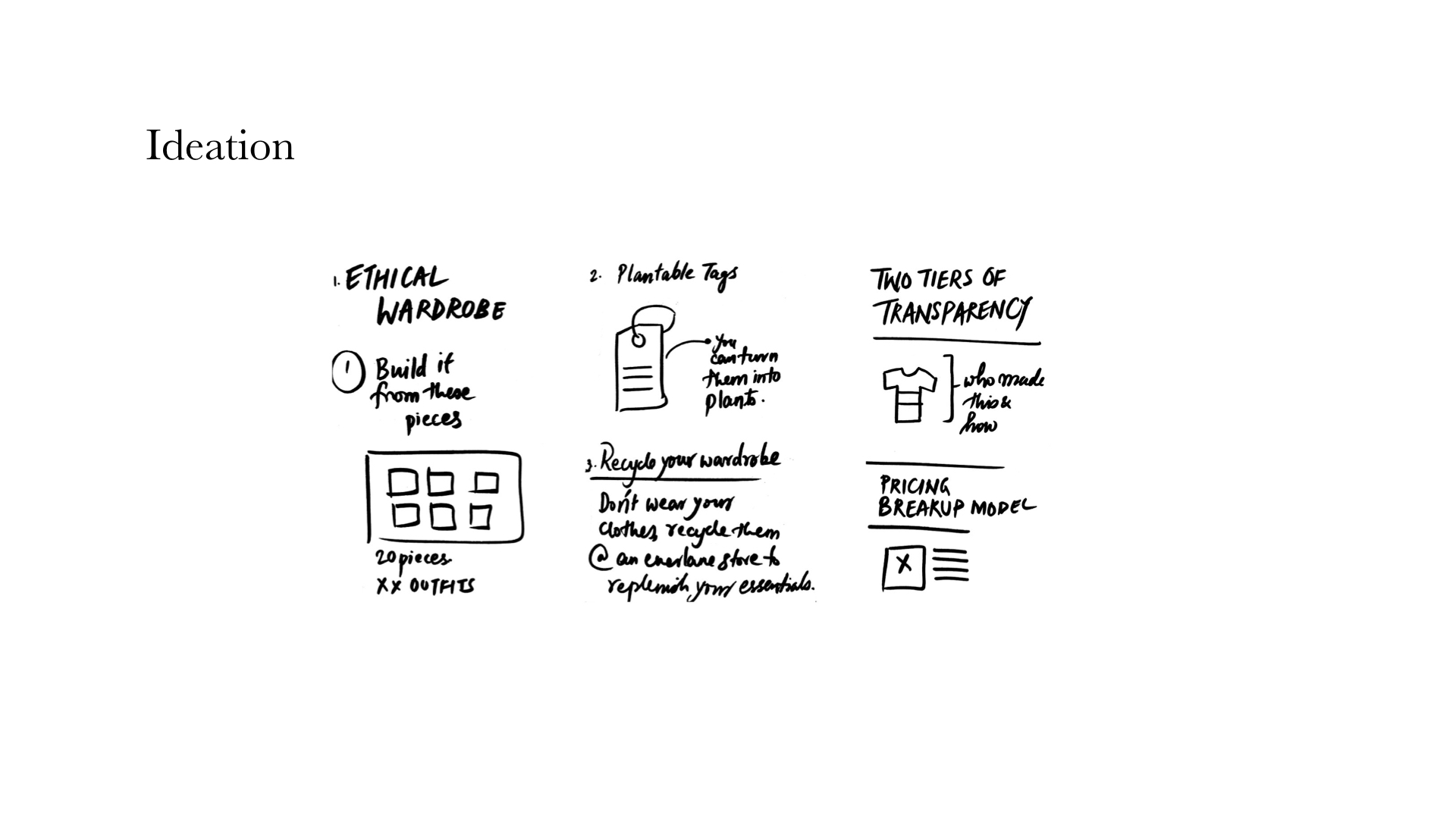
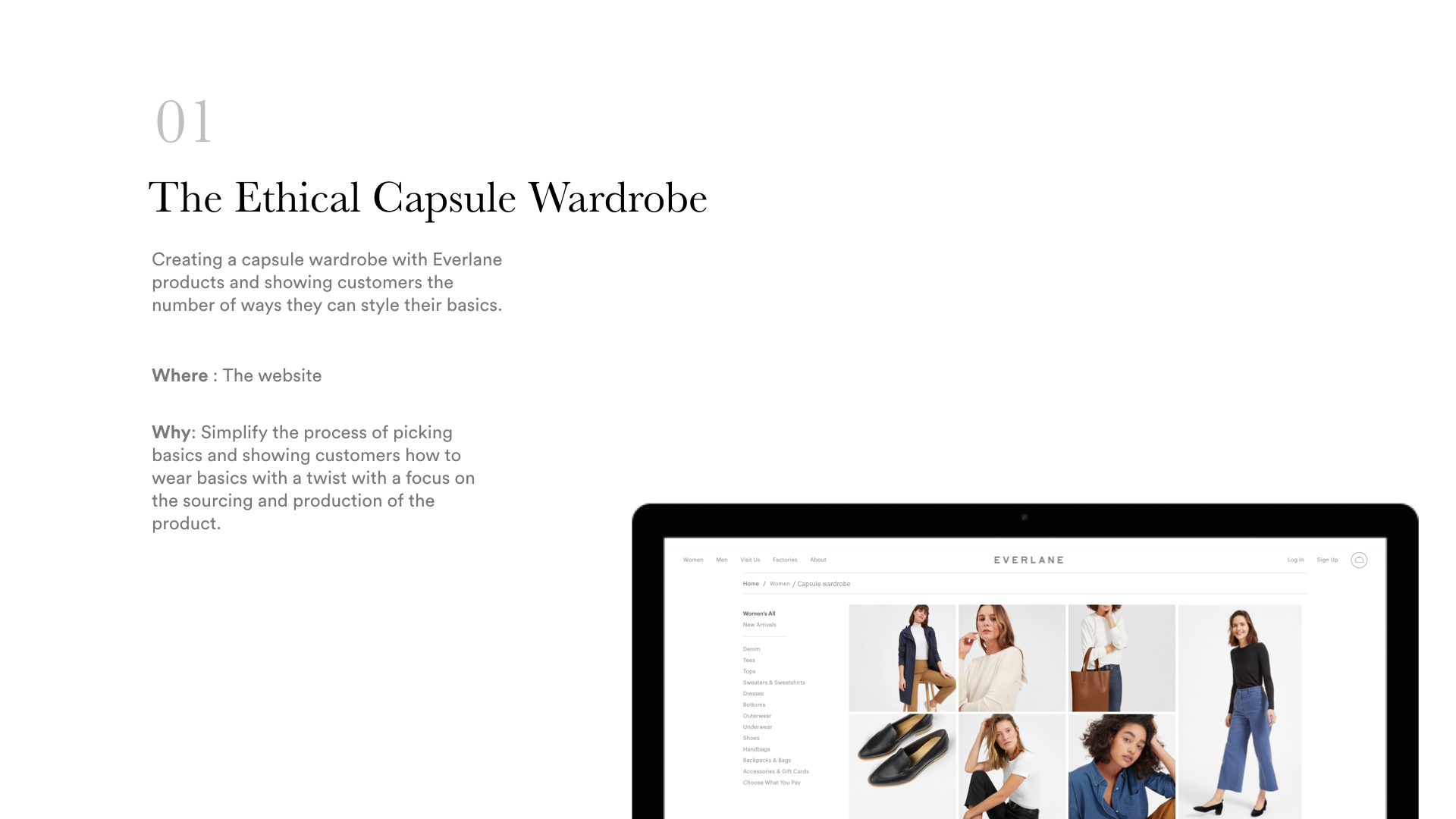
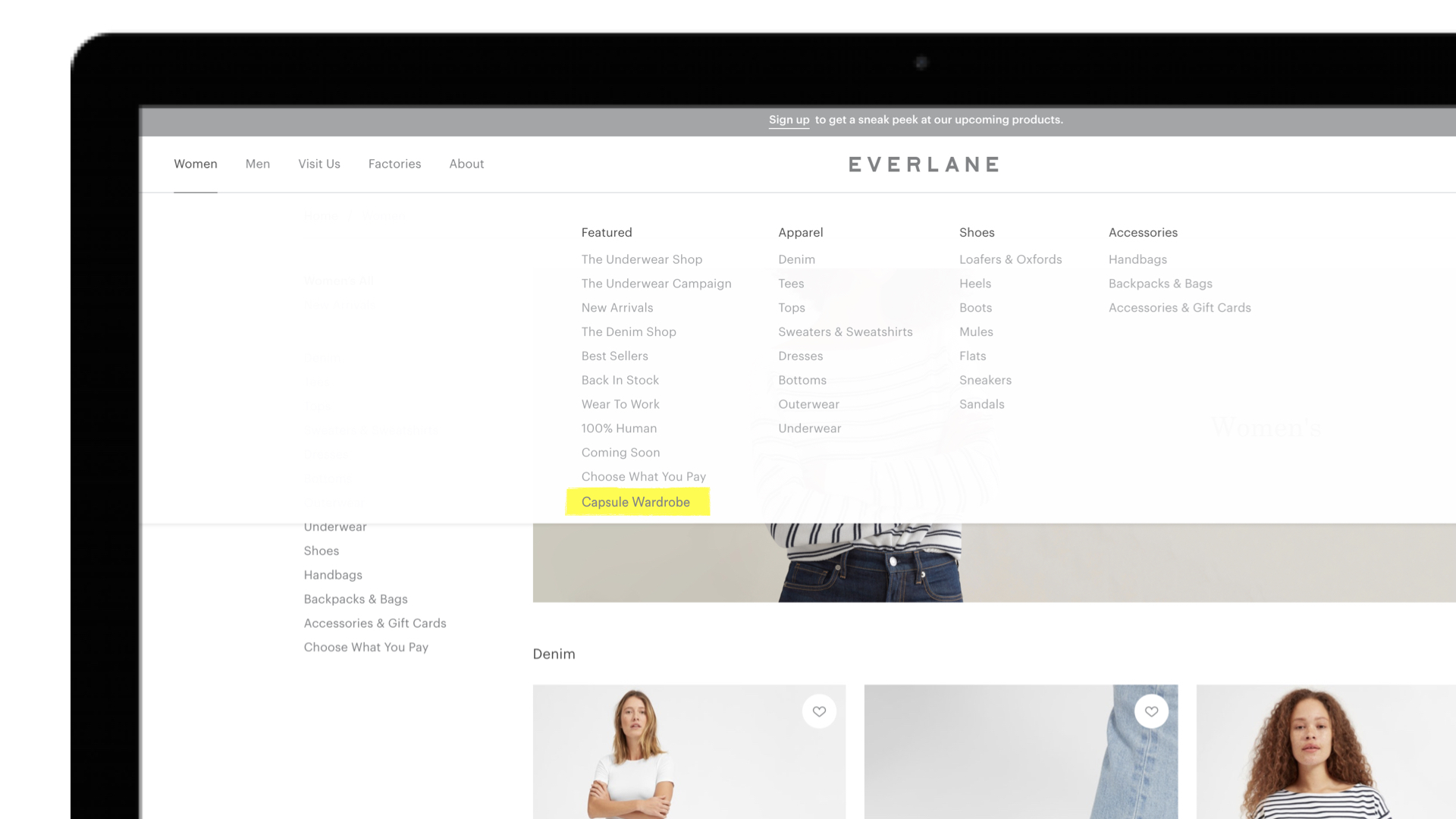
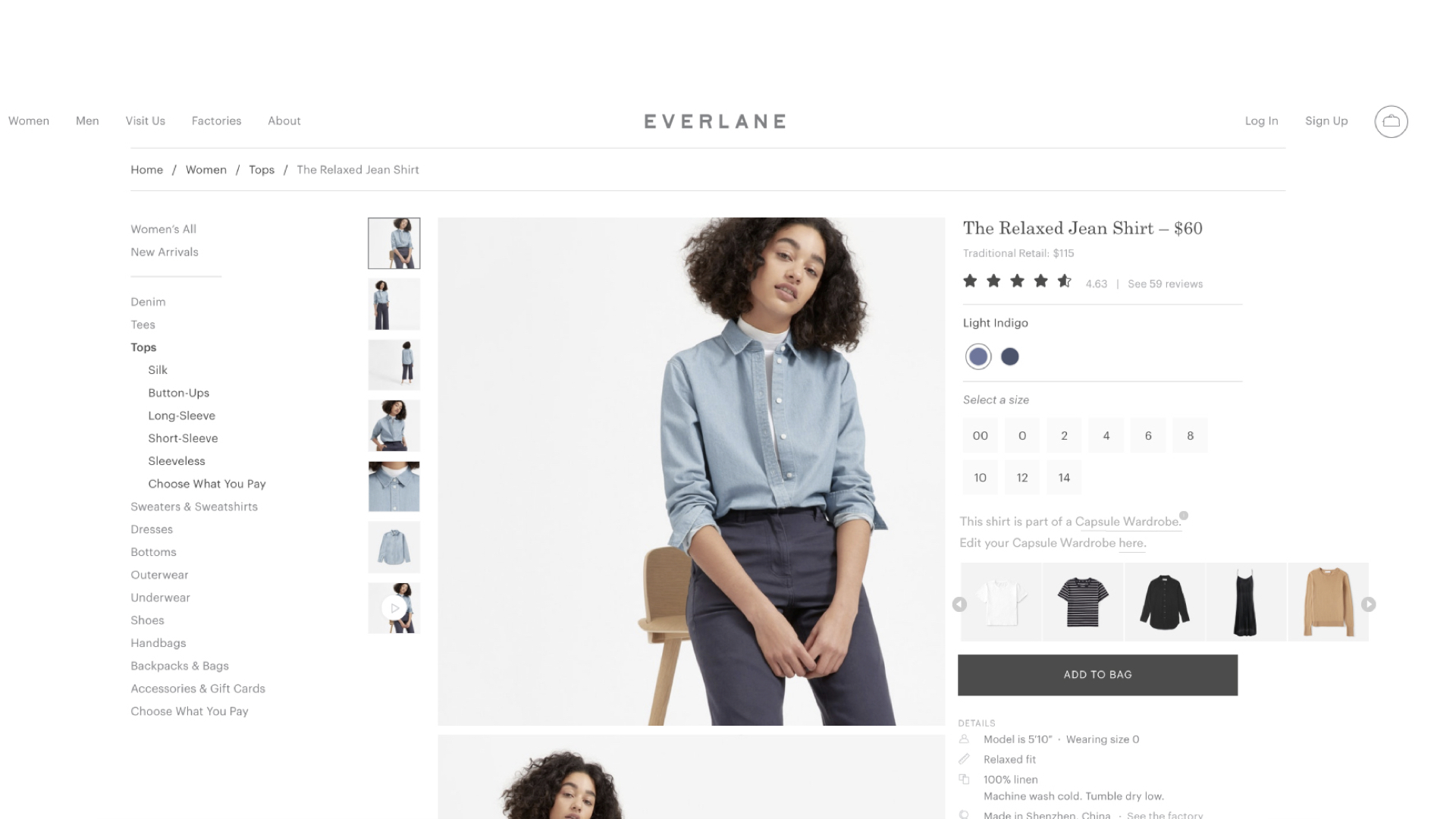
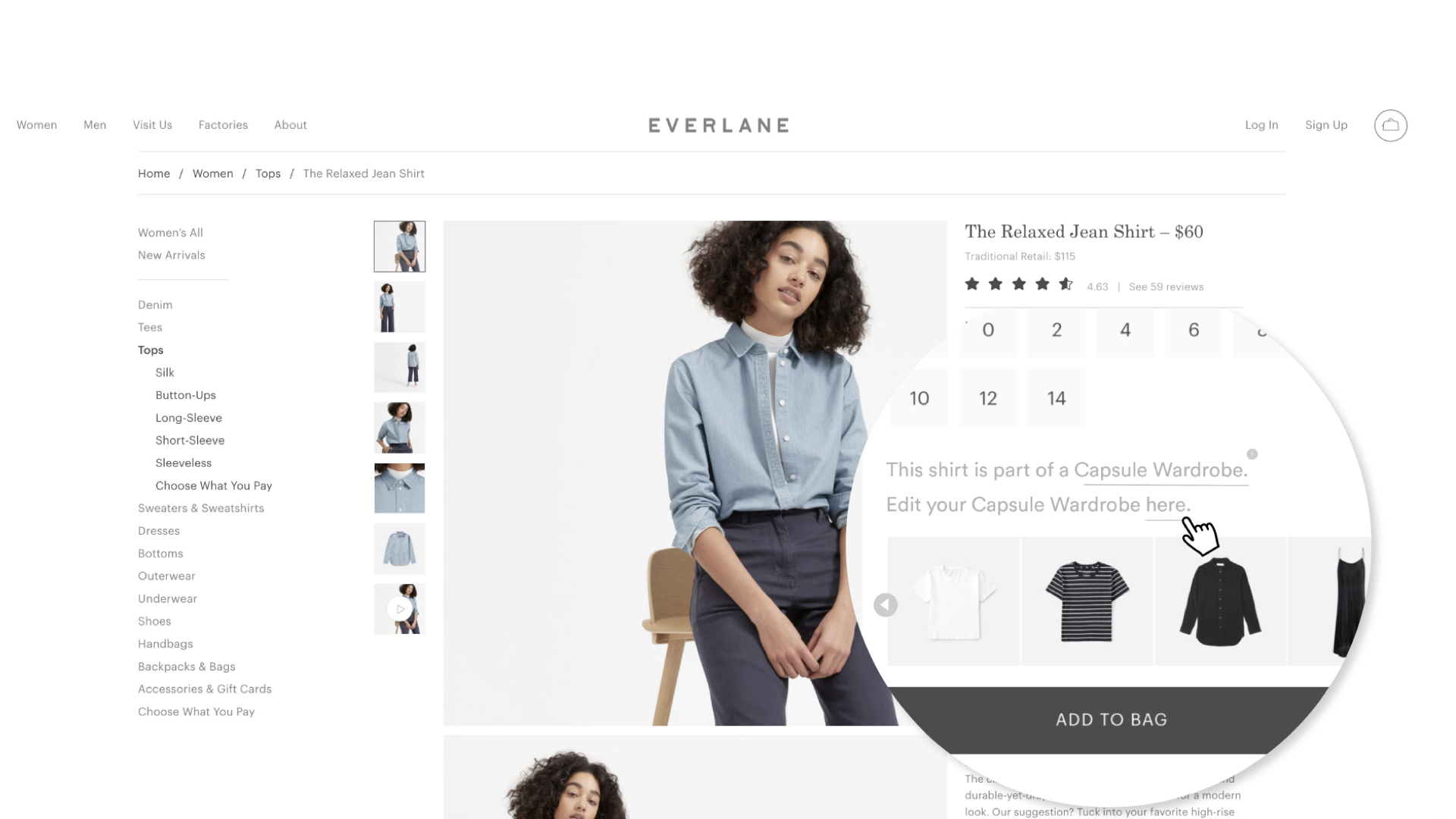
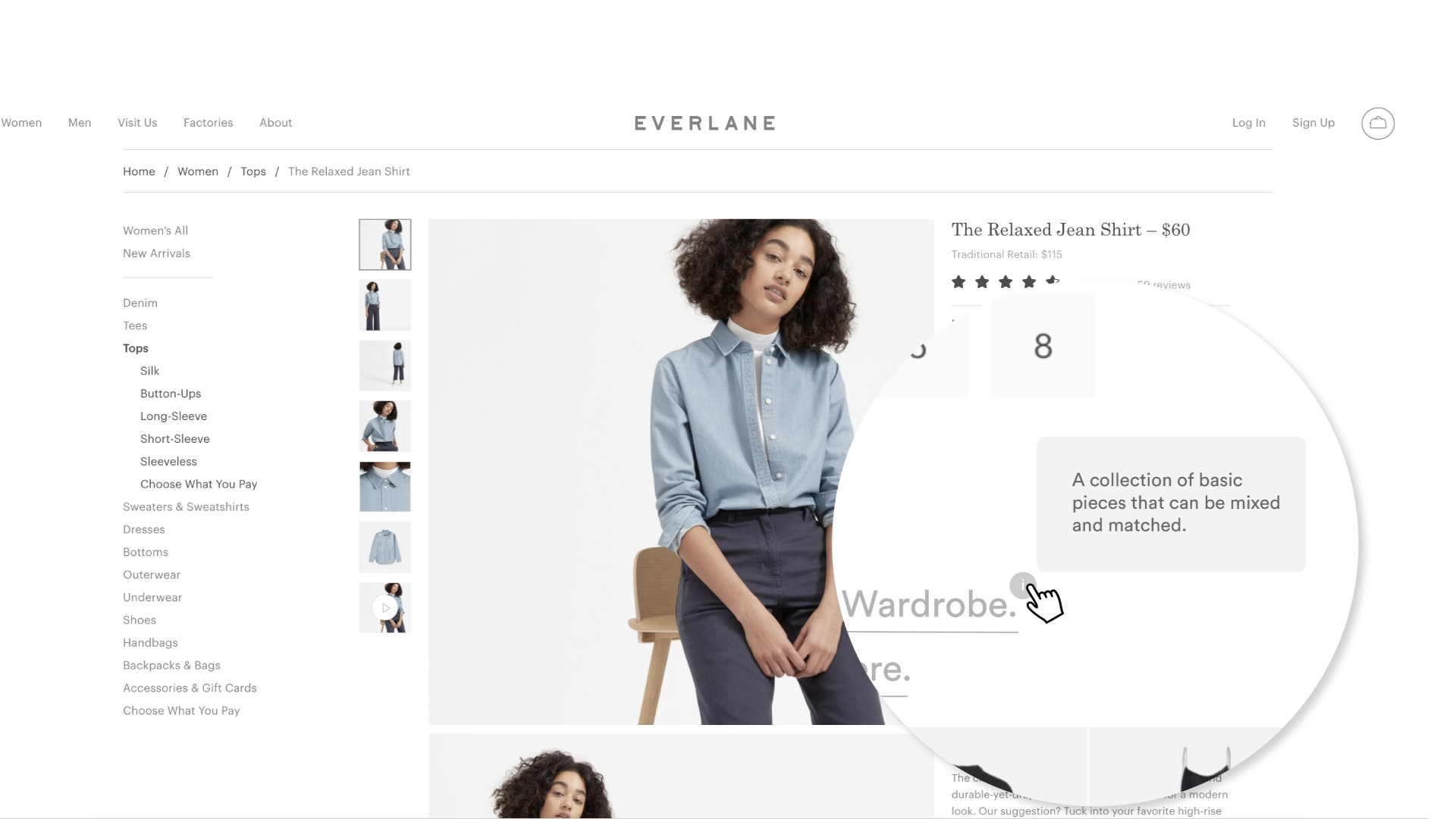
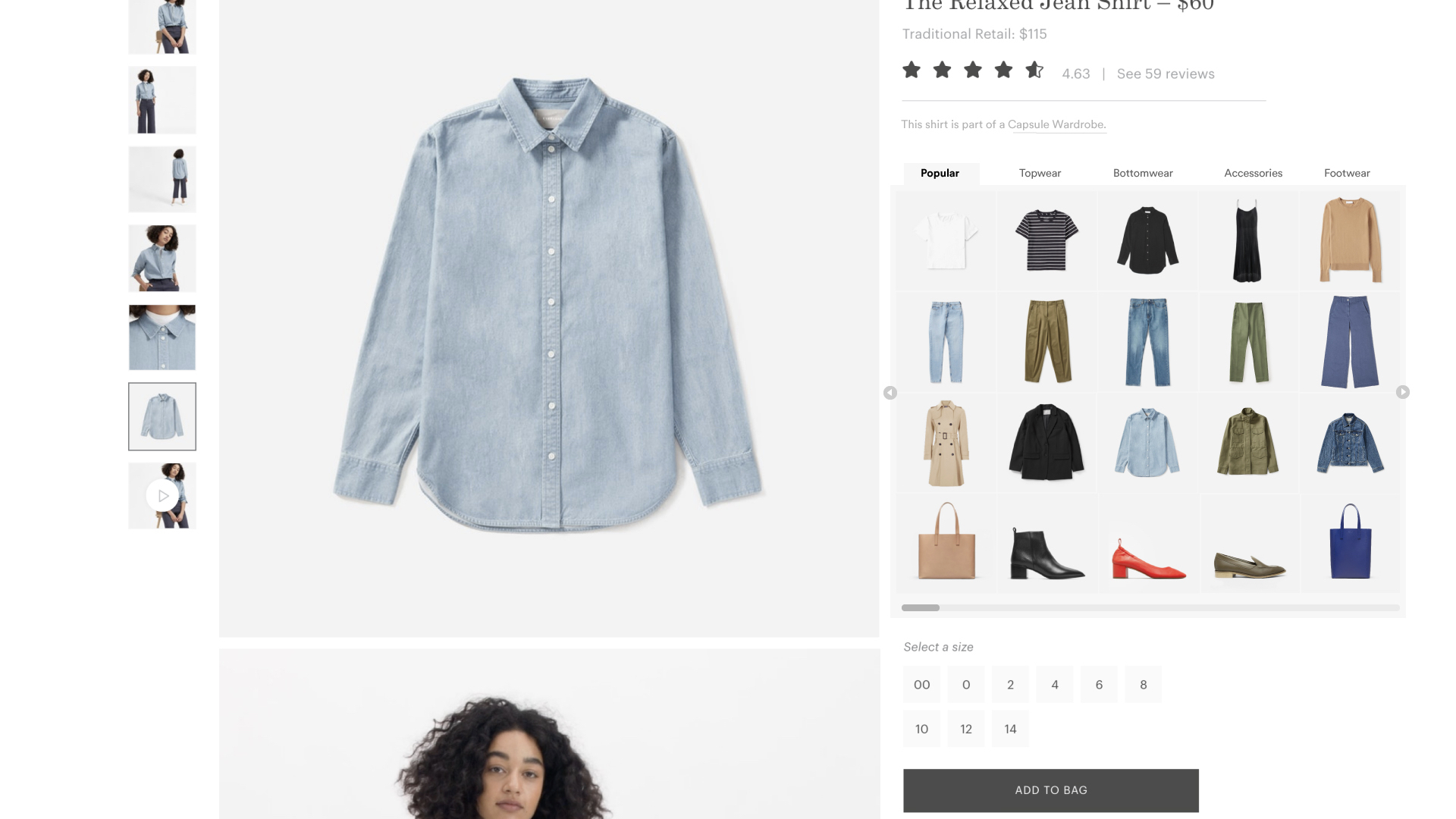
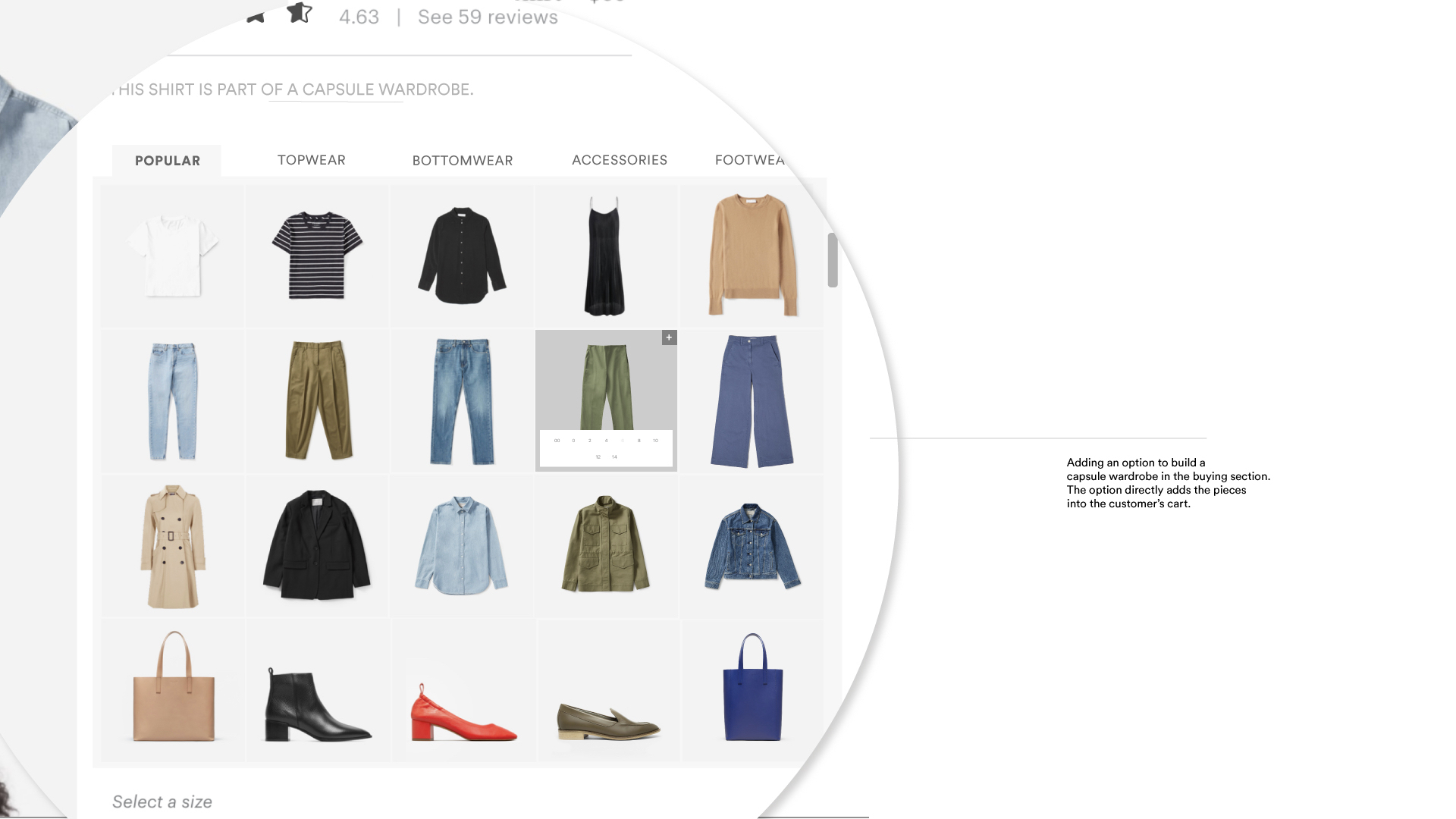
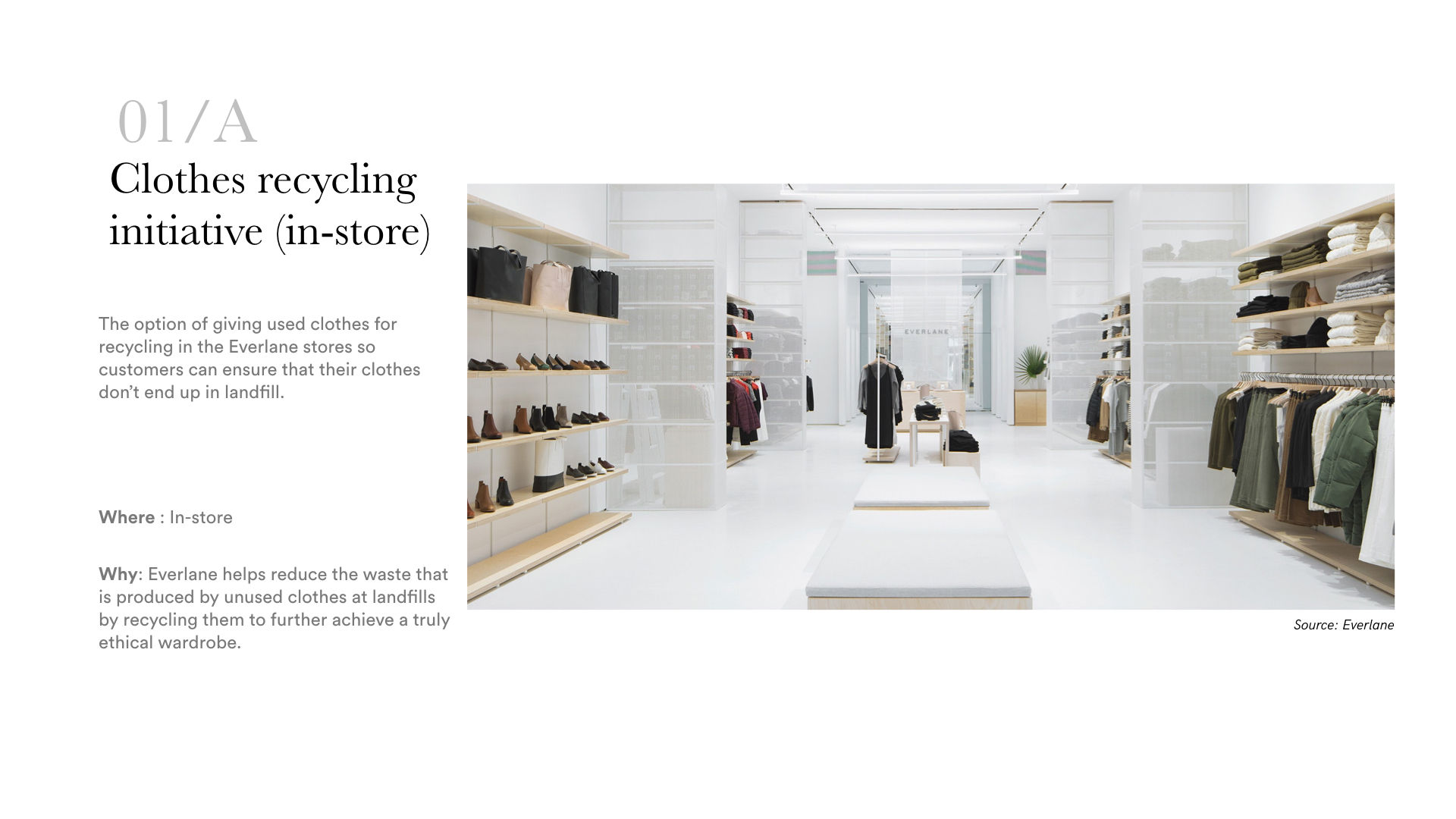
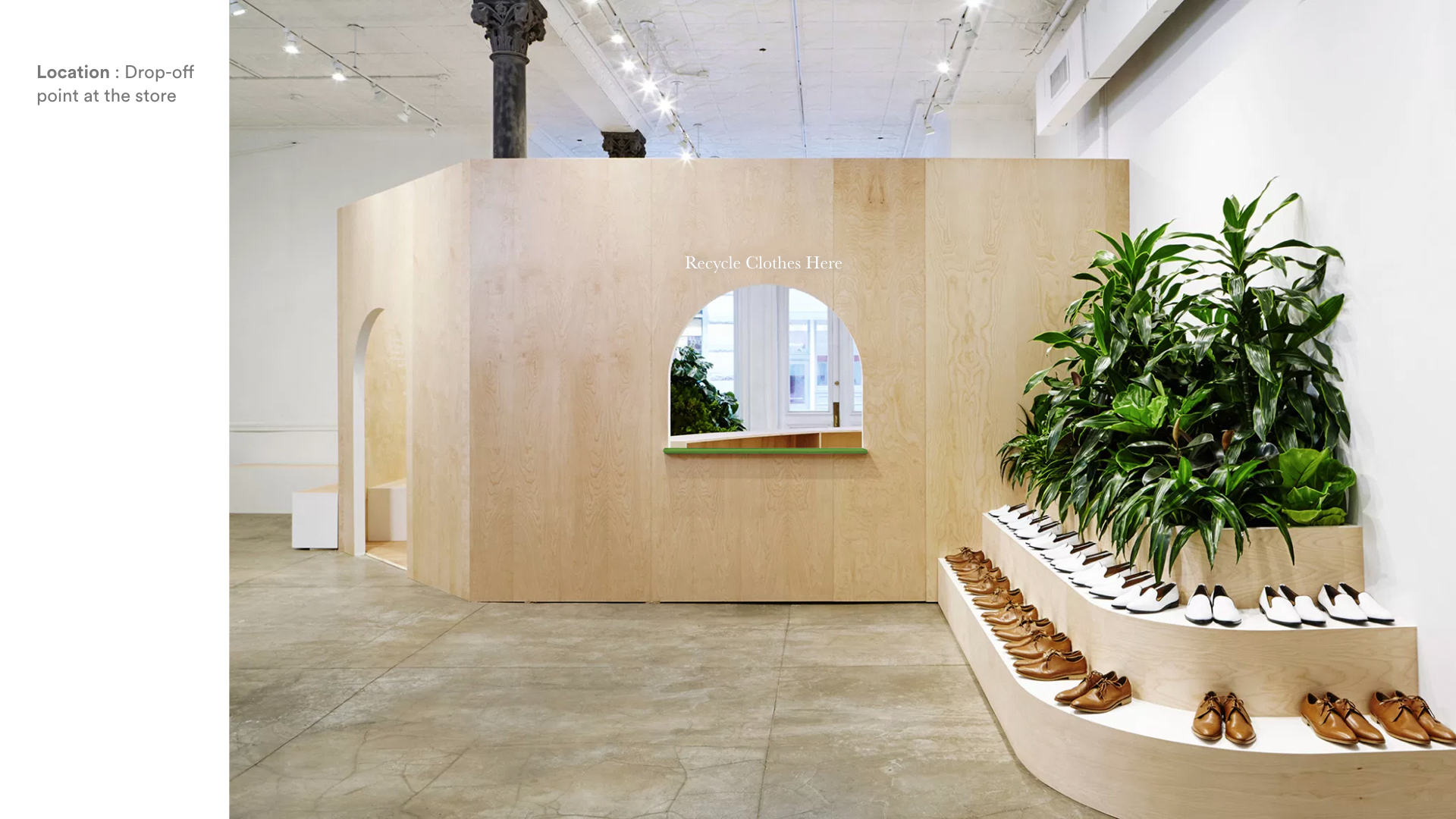
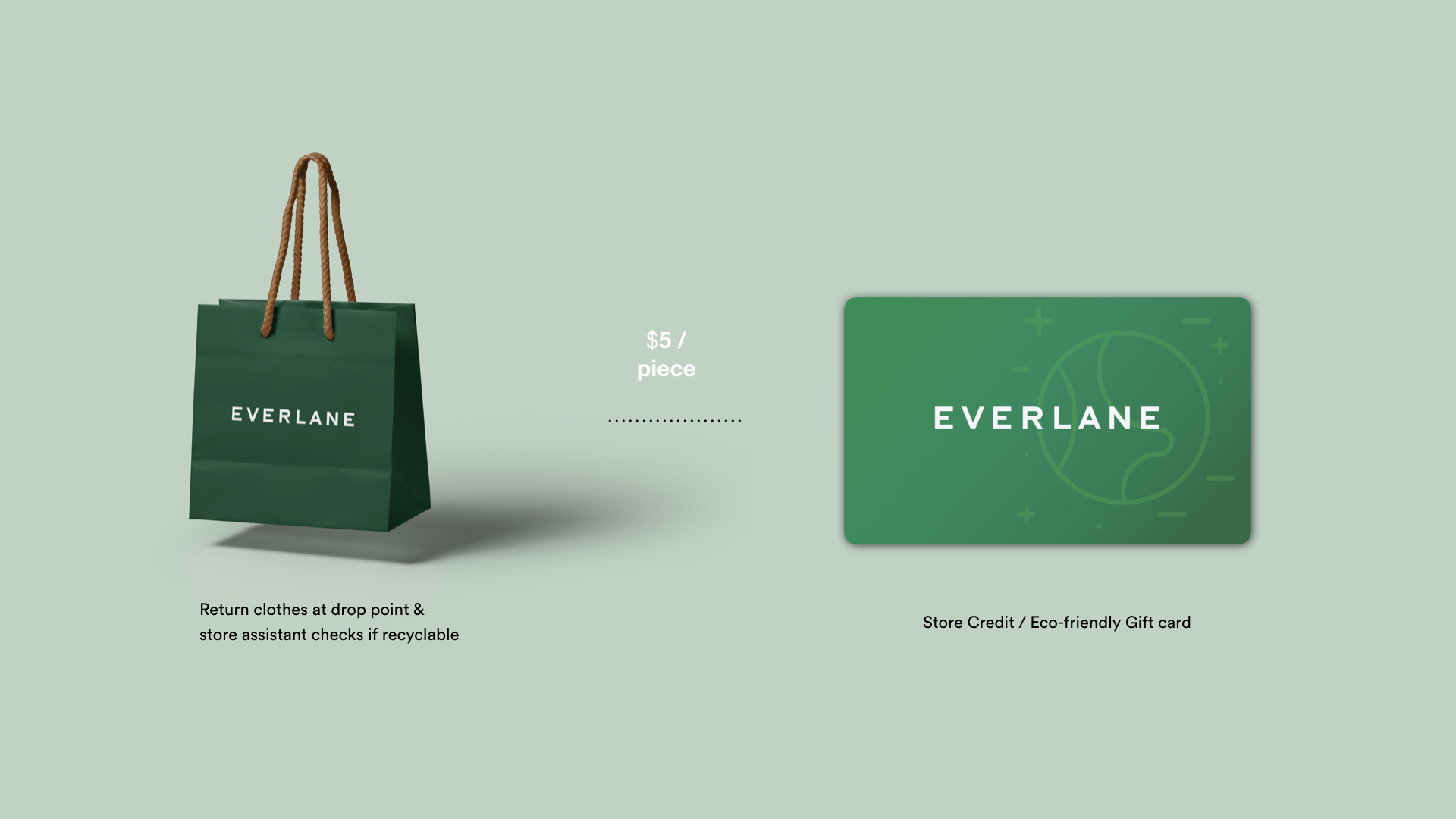
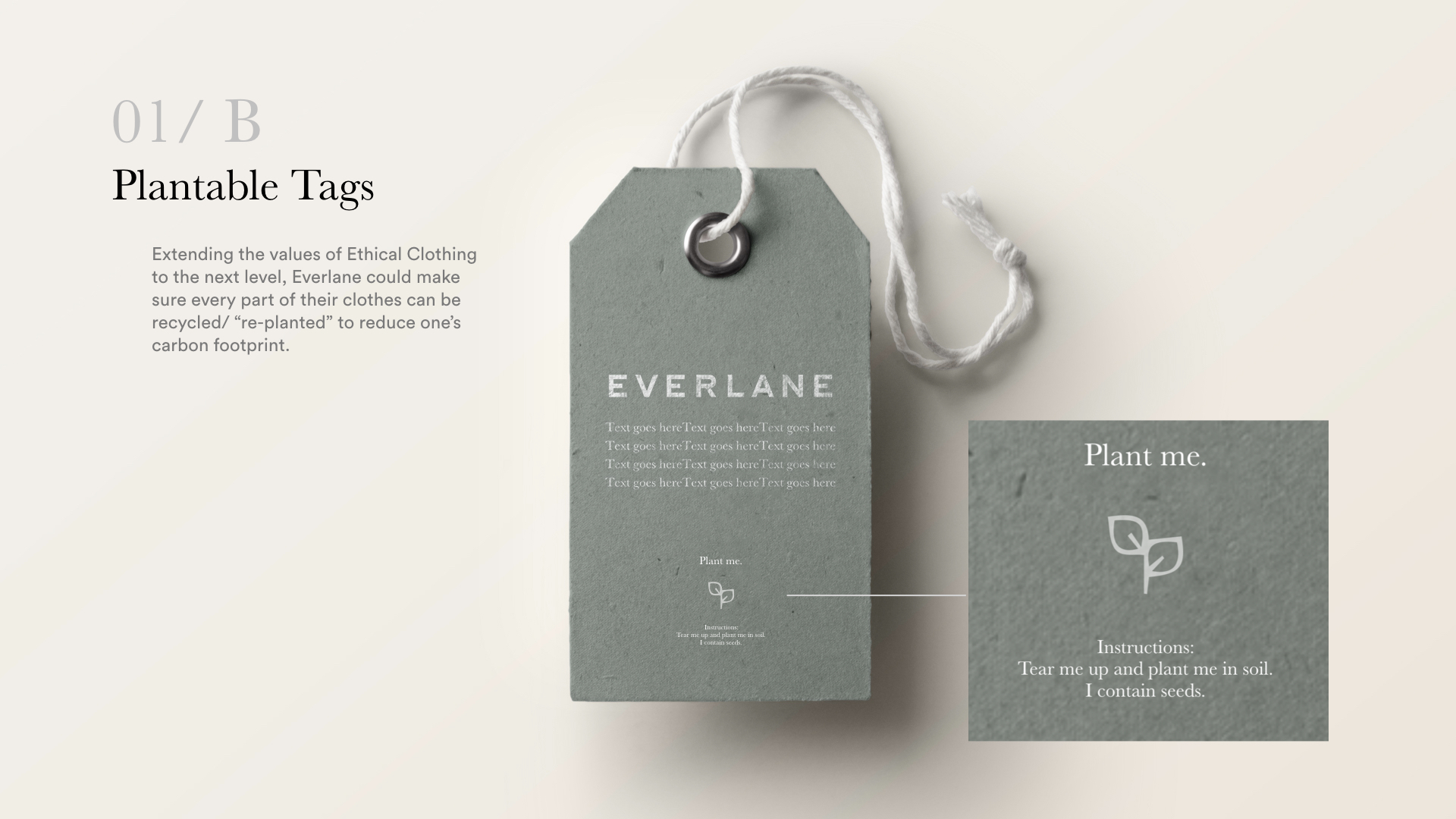
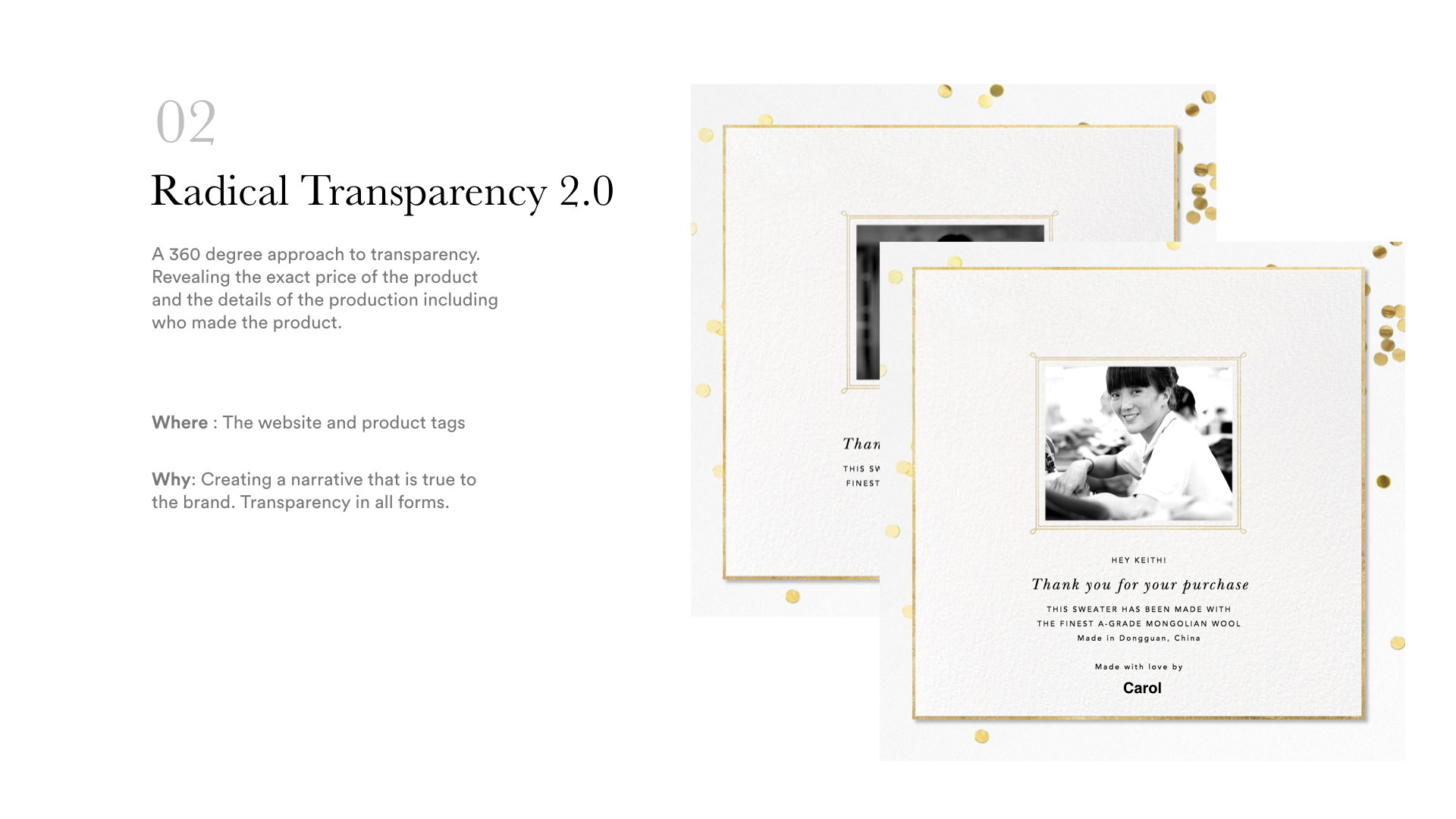
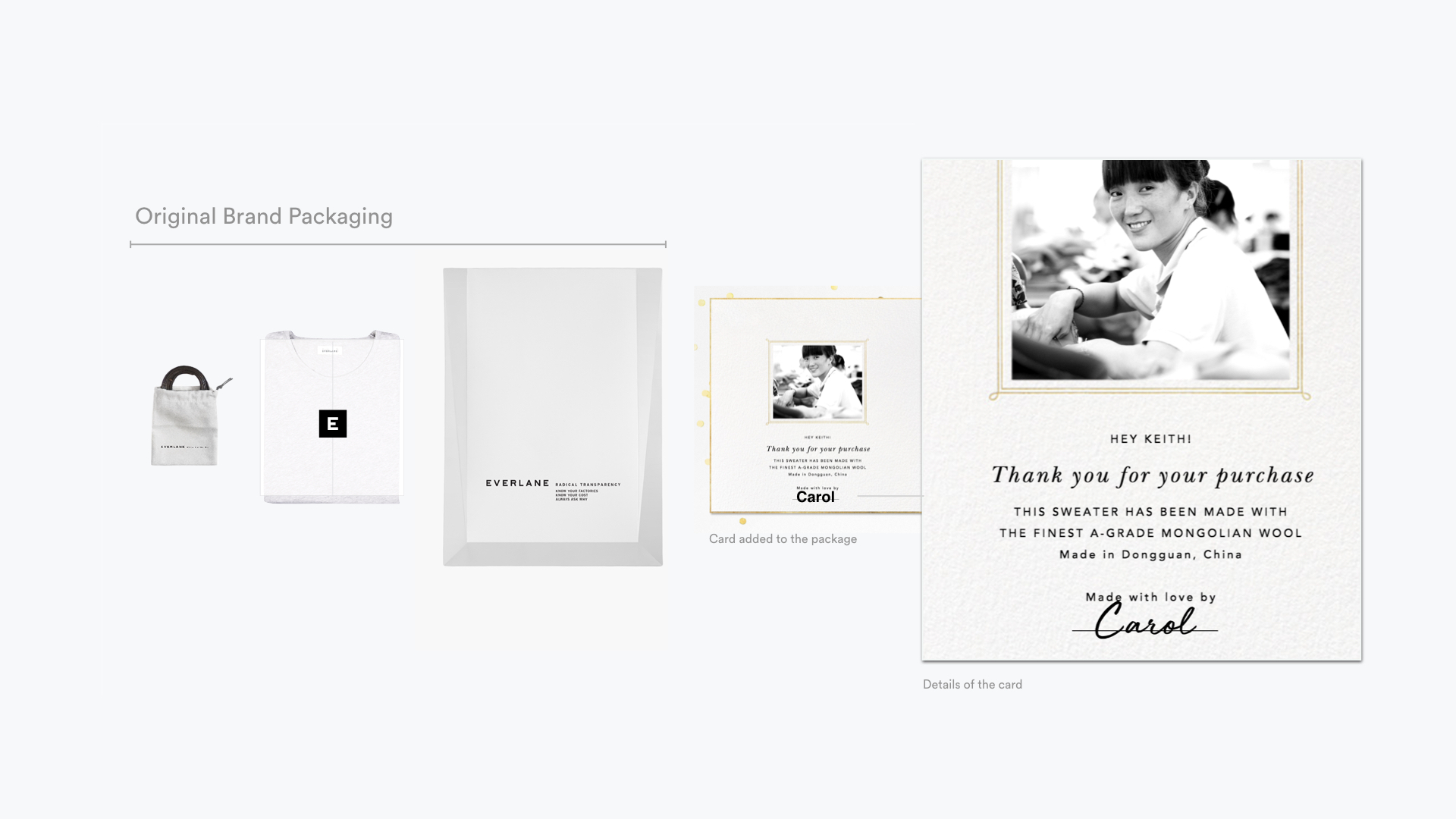
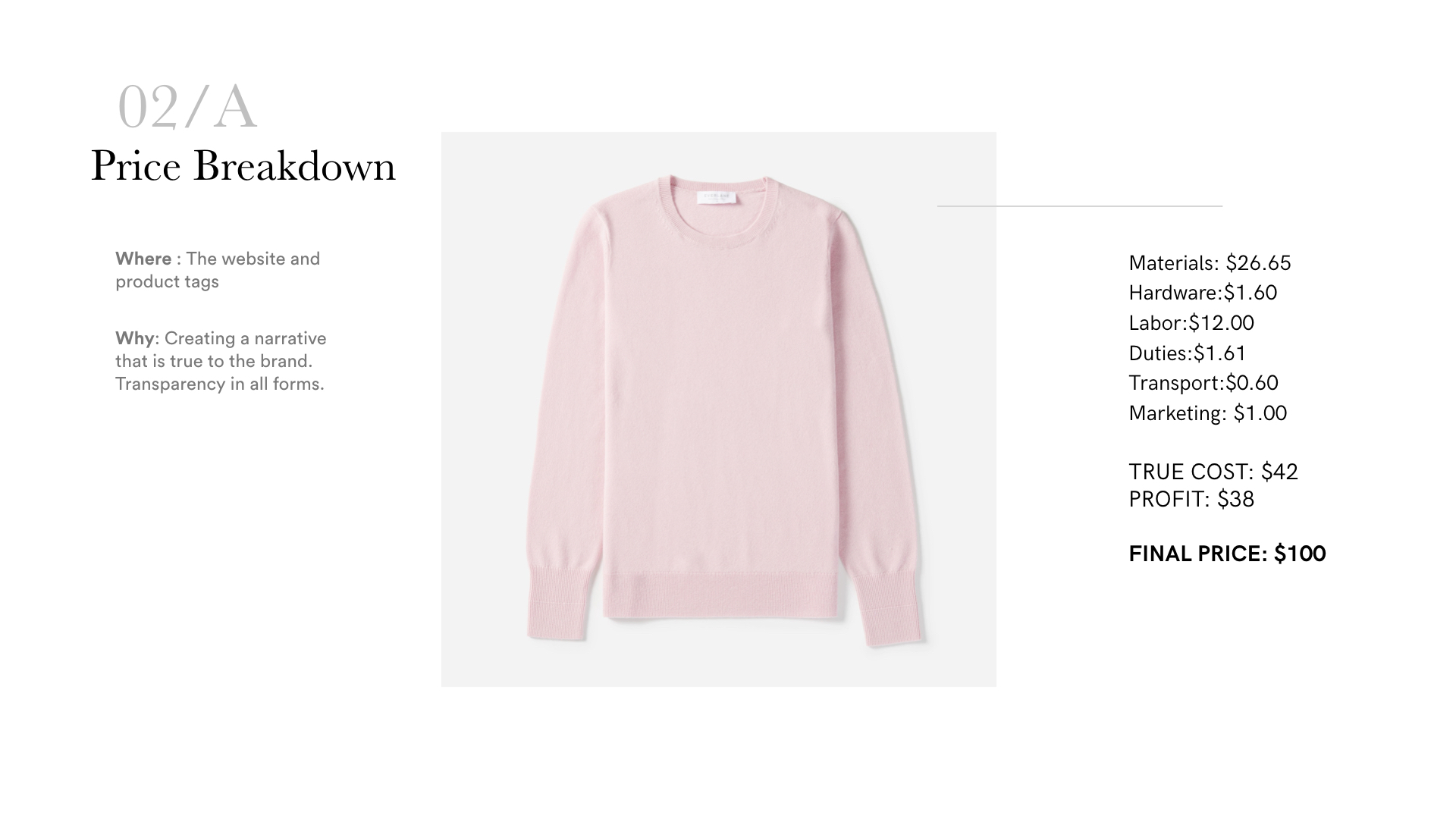
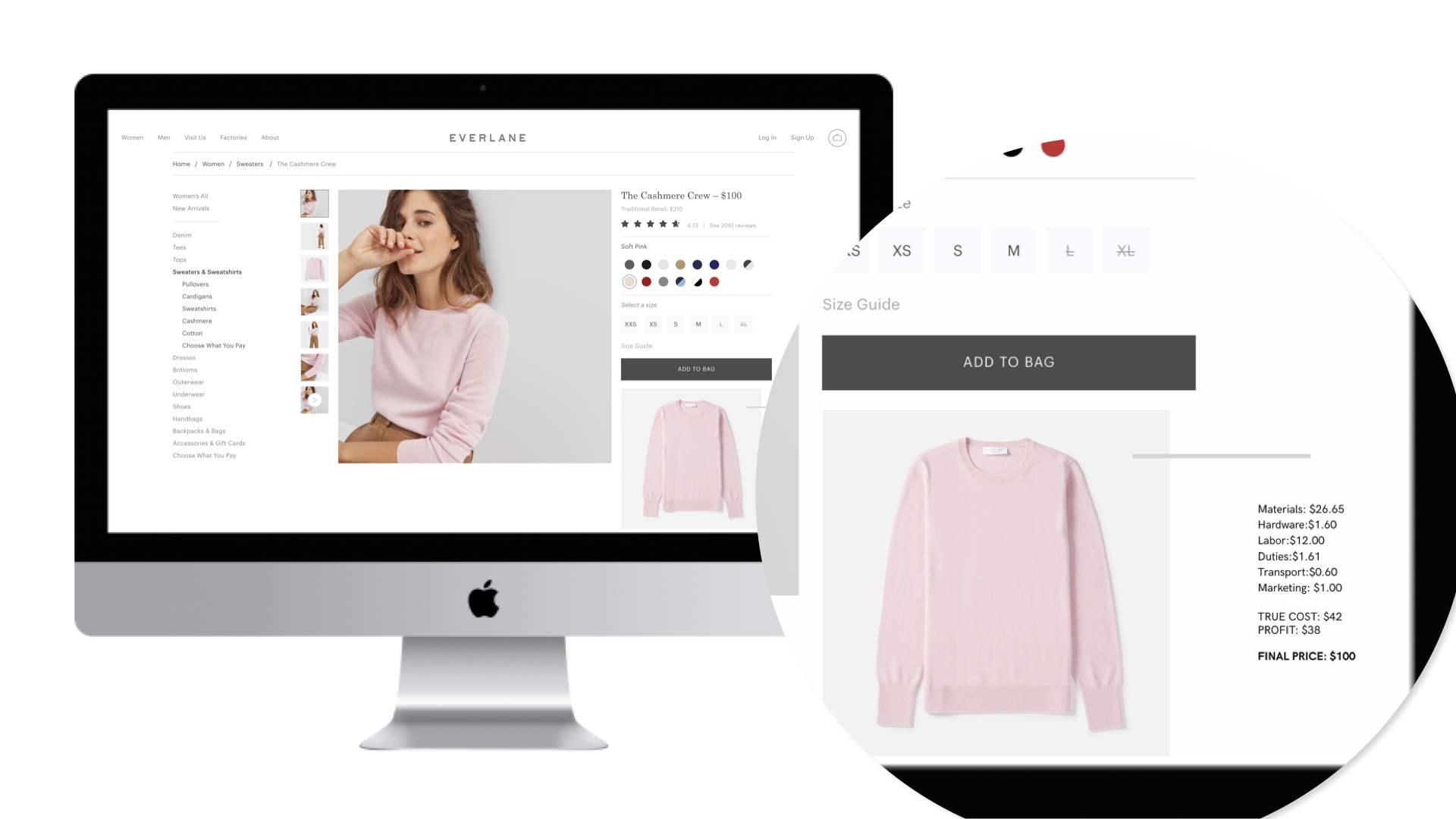
Everlane, a fashion retailer is an innovator in its field. I chose this brand for a user experience case study because the company has a highly successful brand story and values that are rooted in their motto "radical transparency." The low scope for improvement was an exciting challenge.
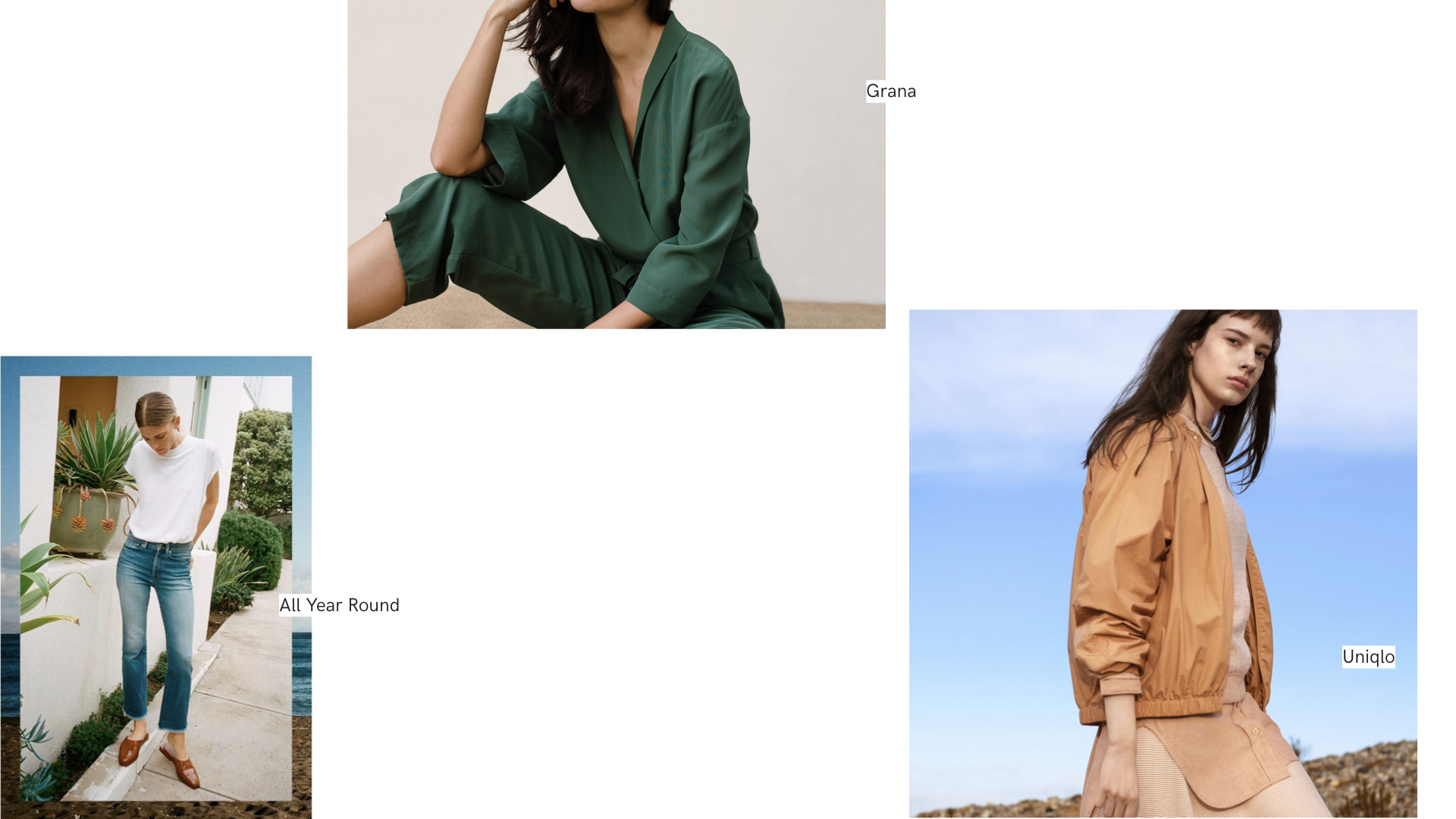
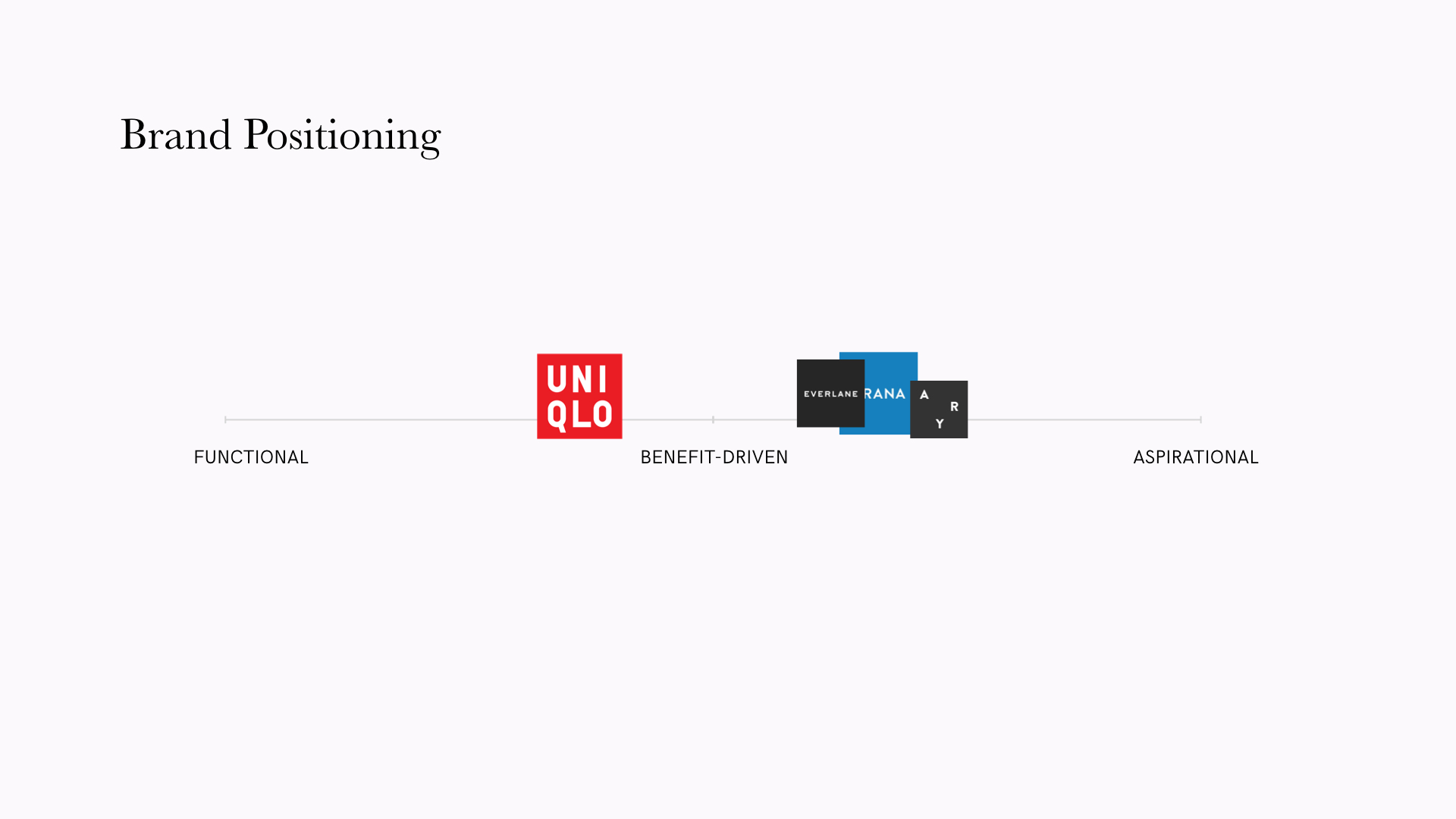
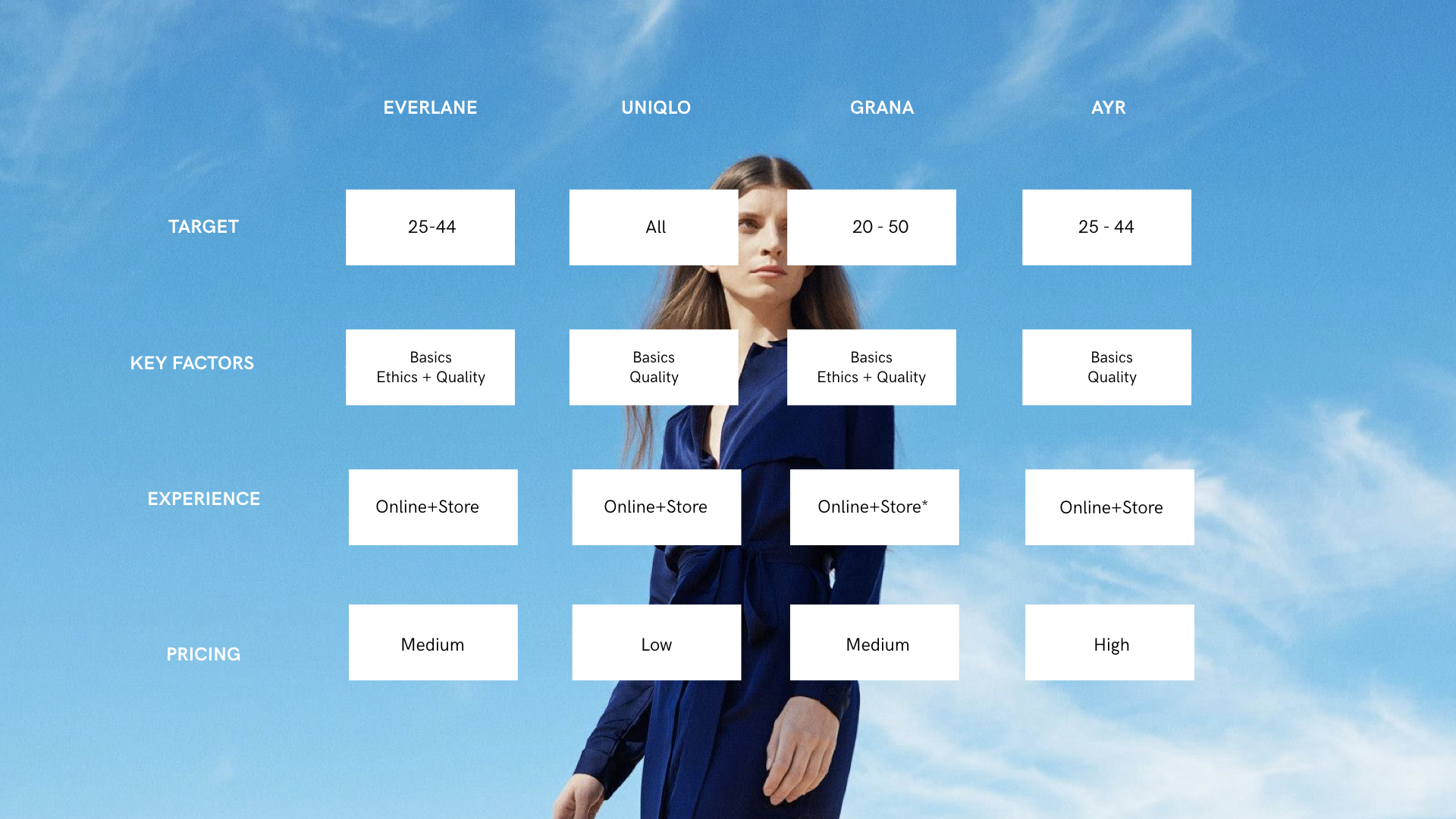
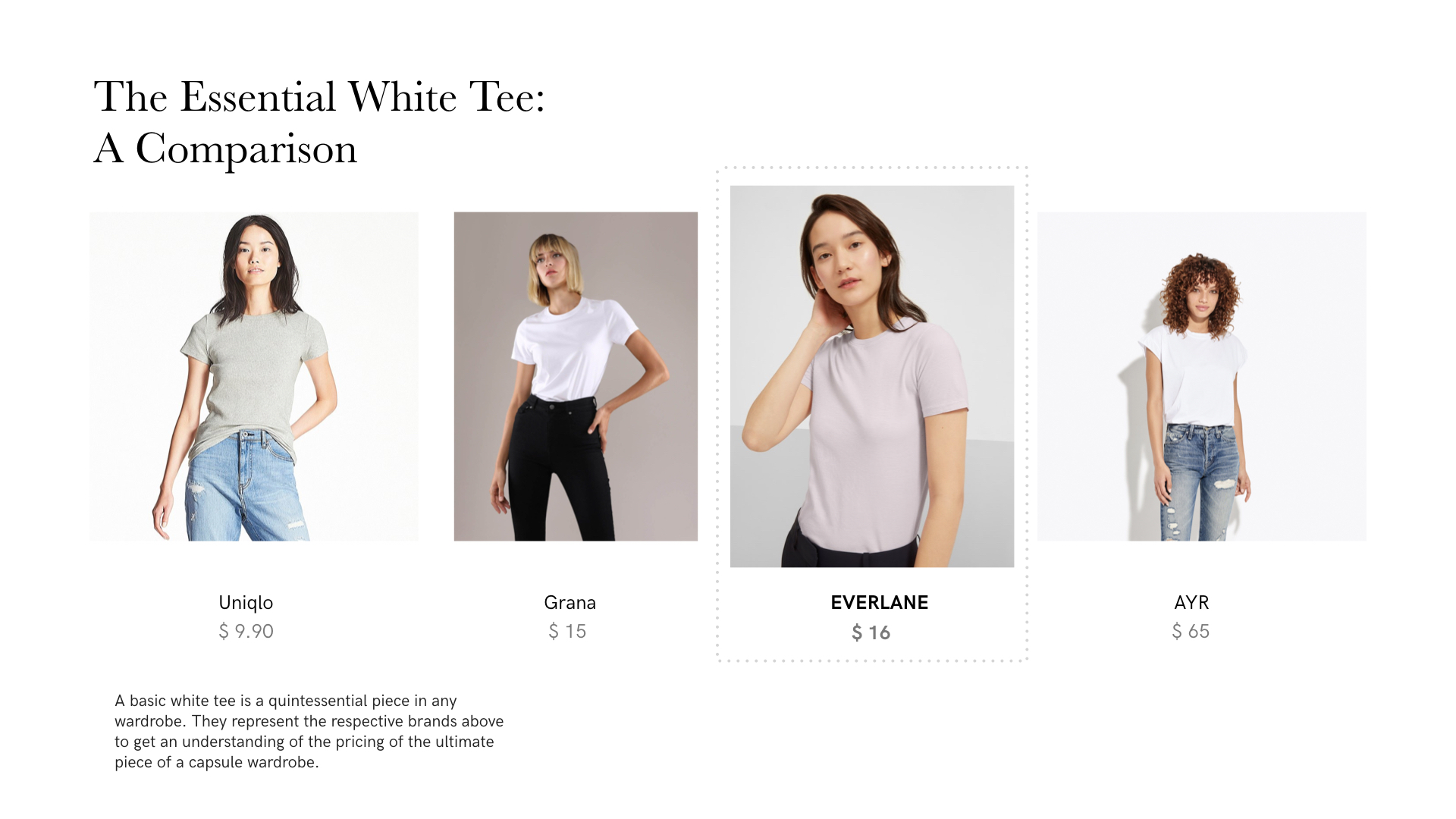
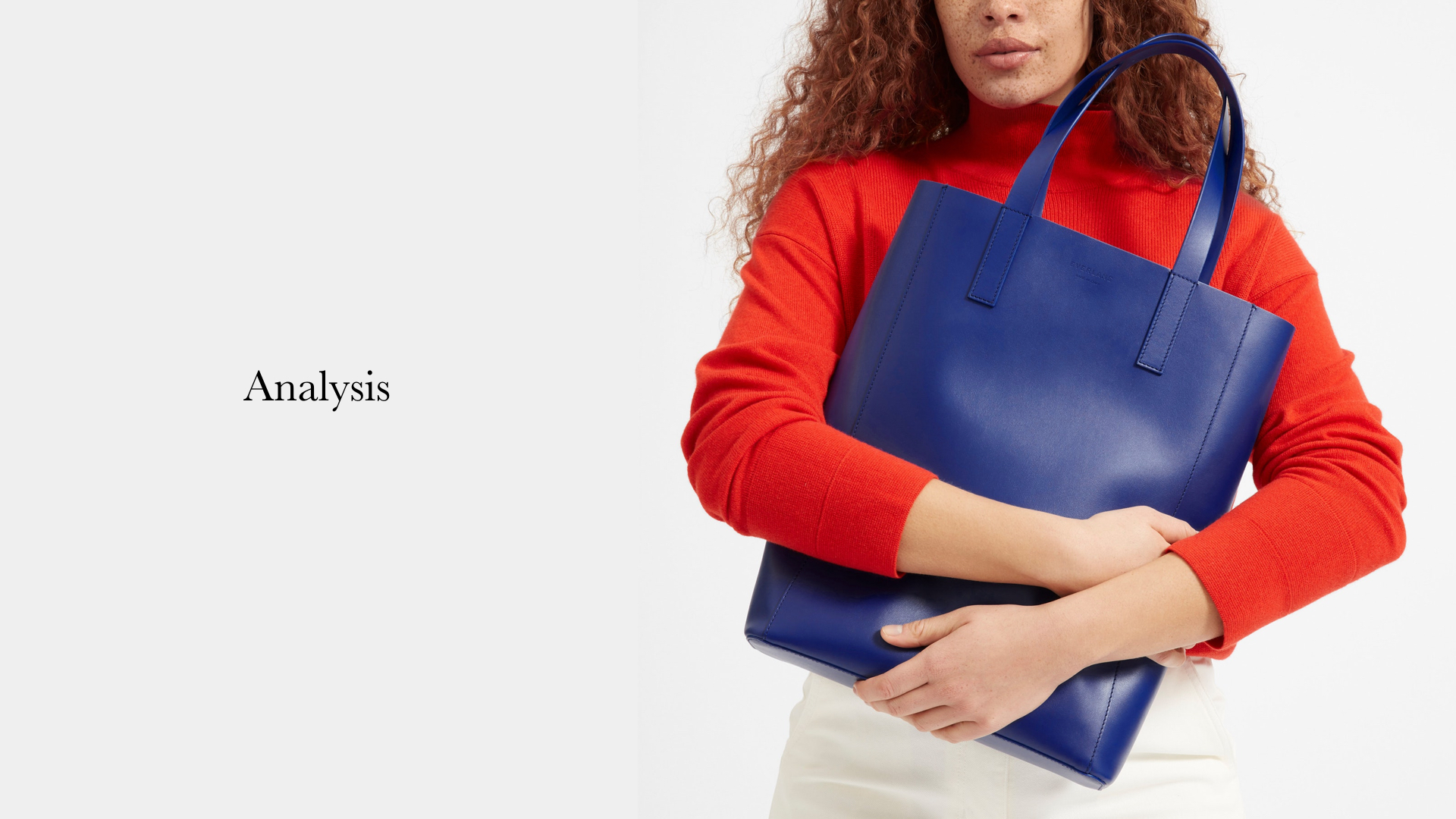
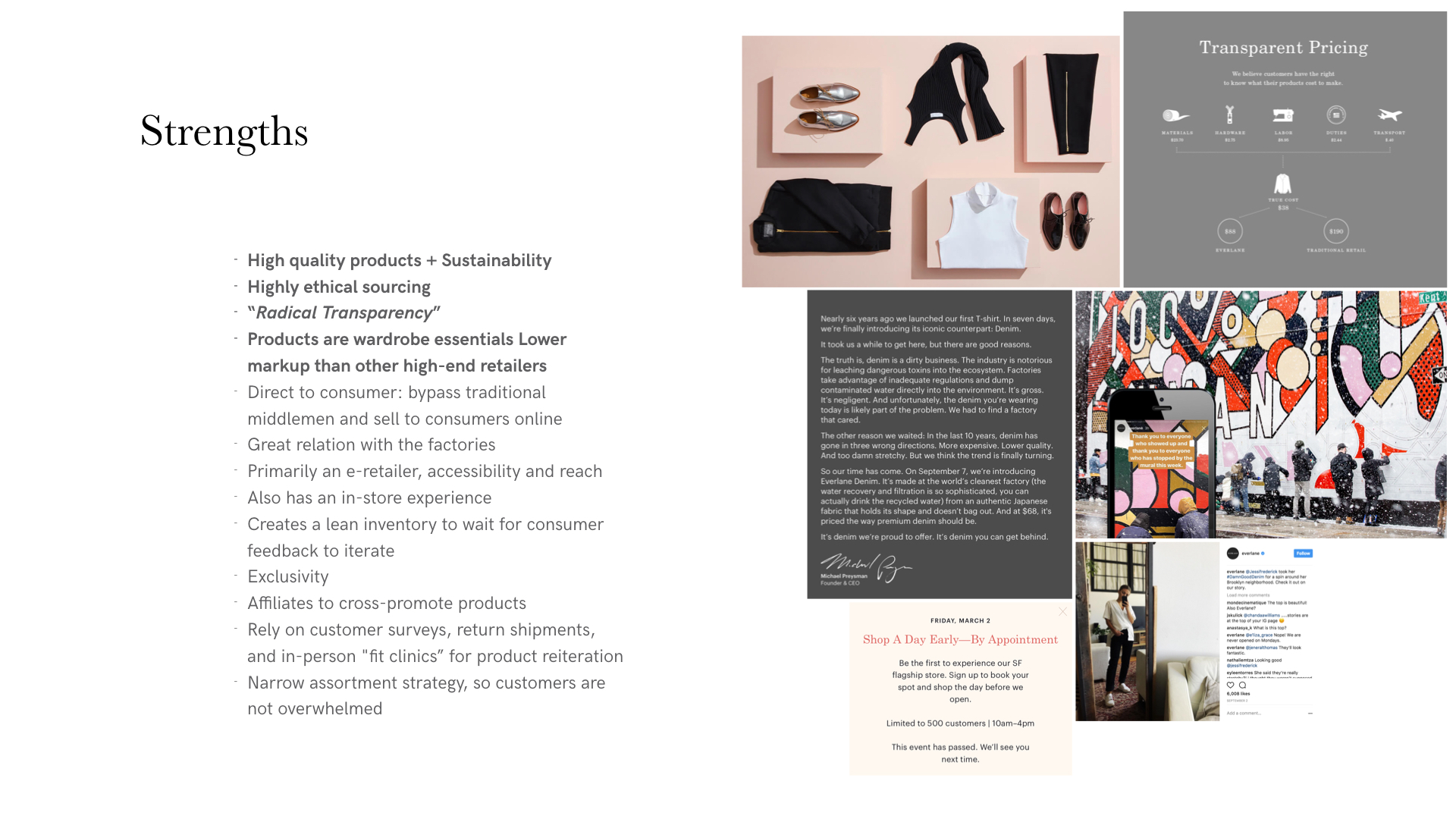
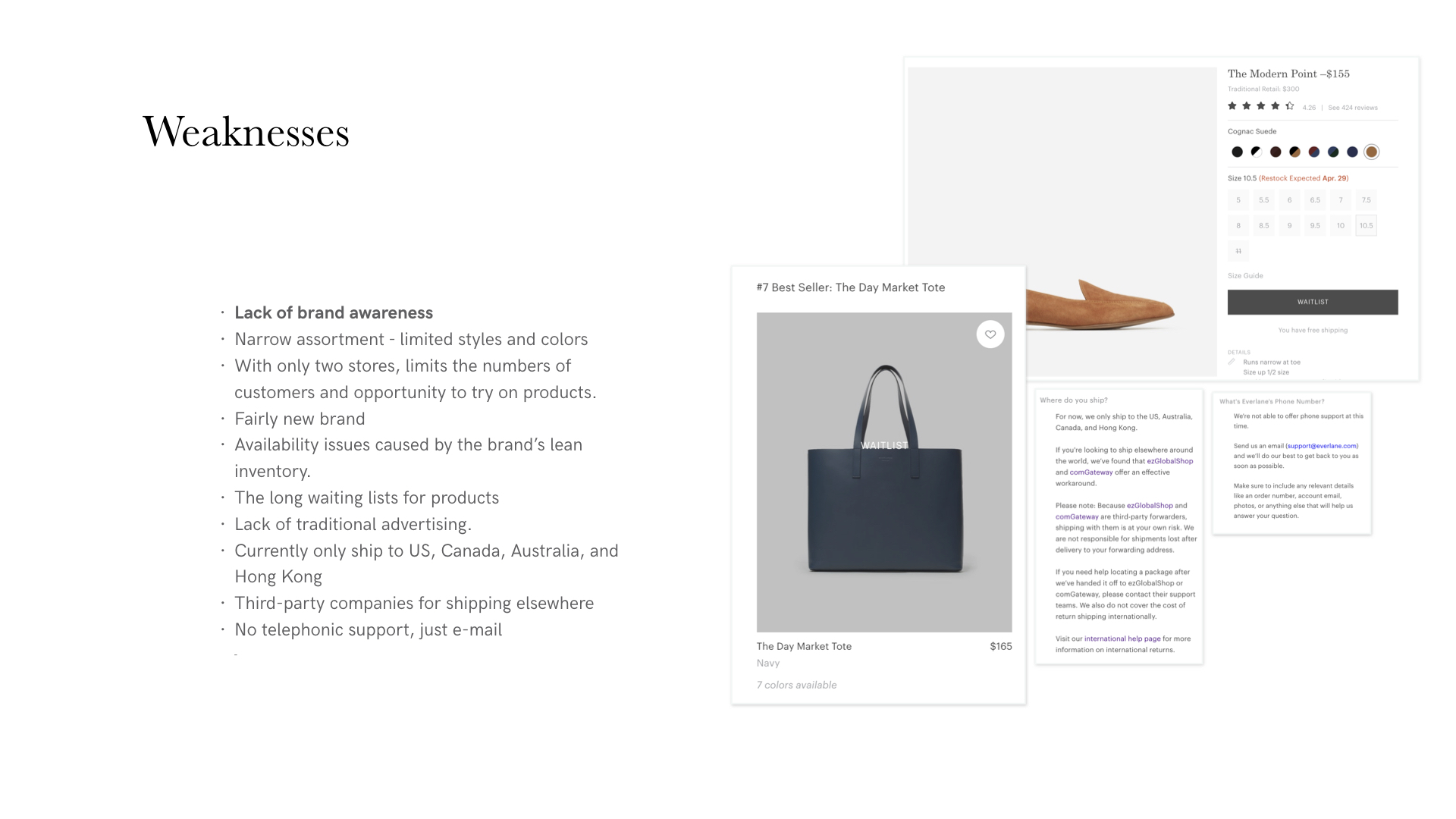
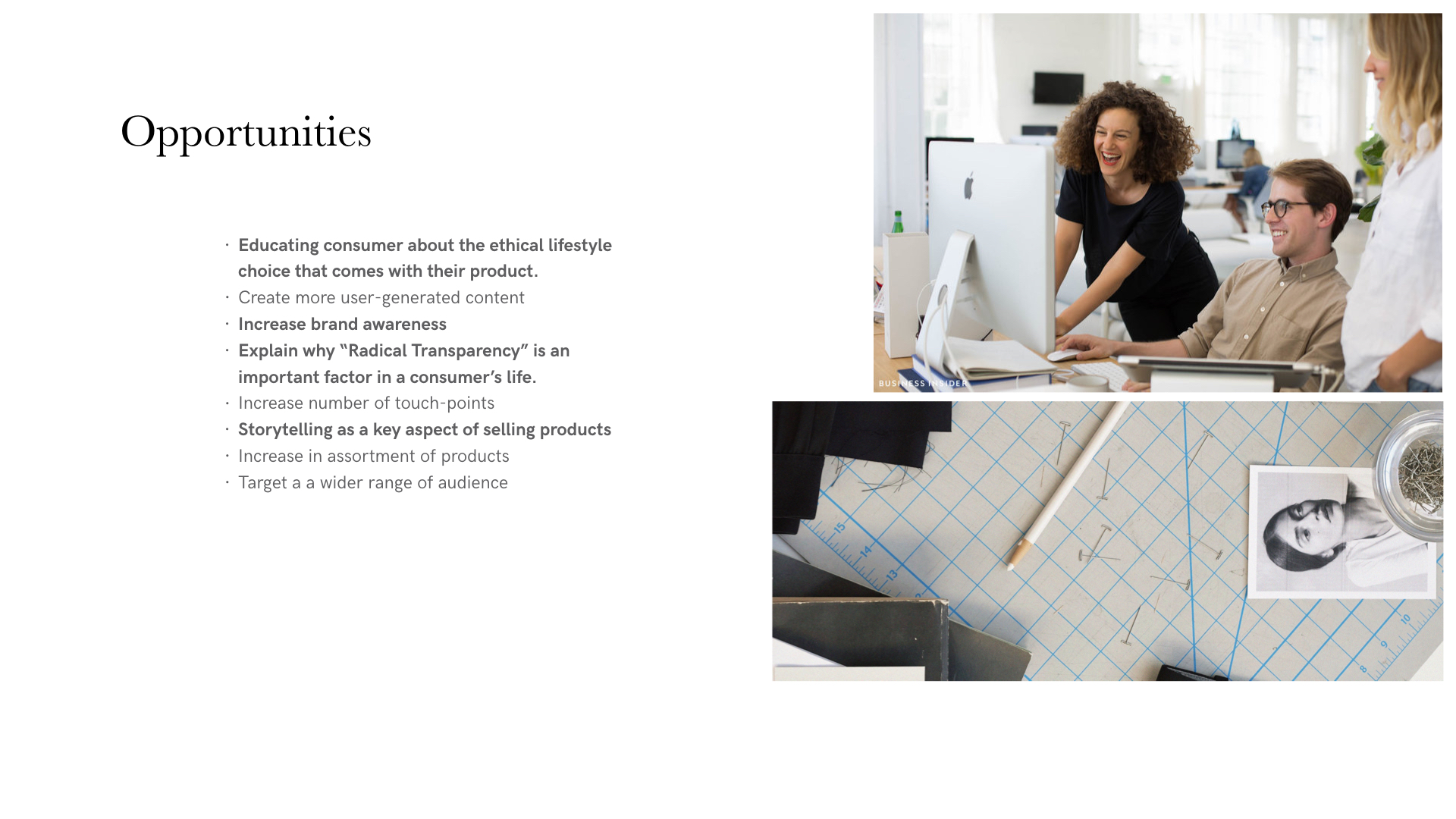
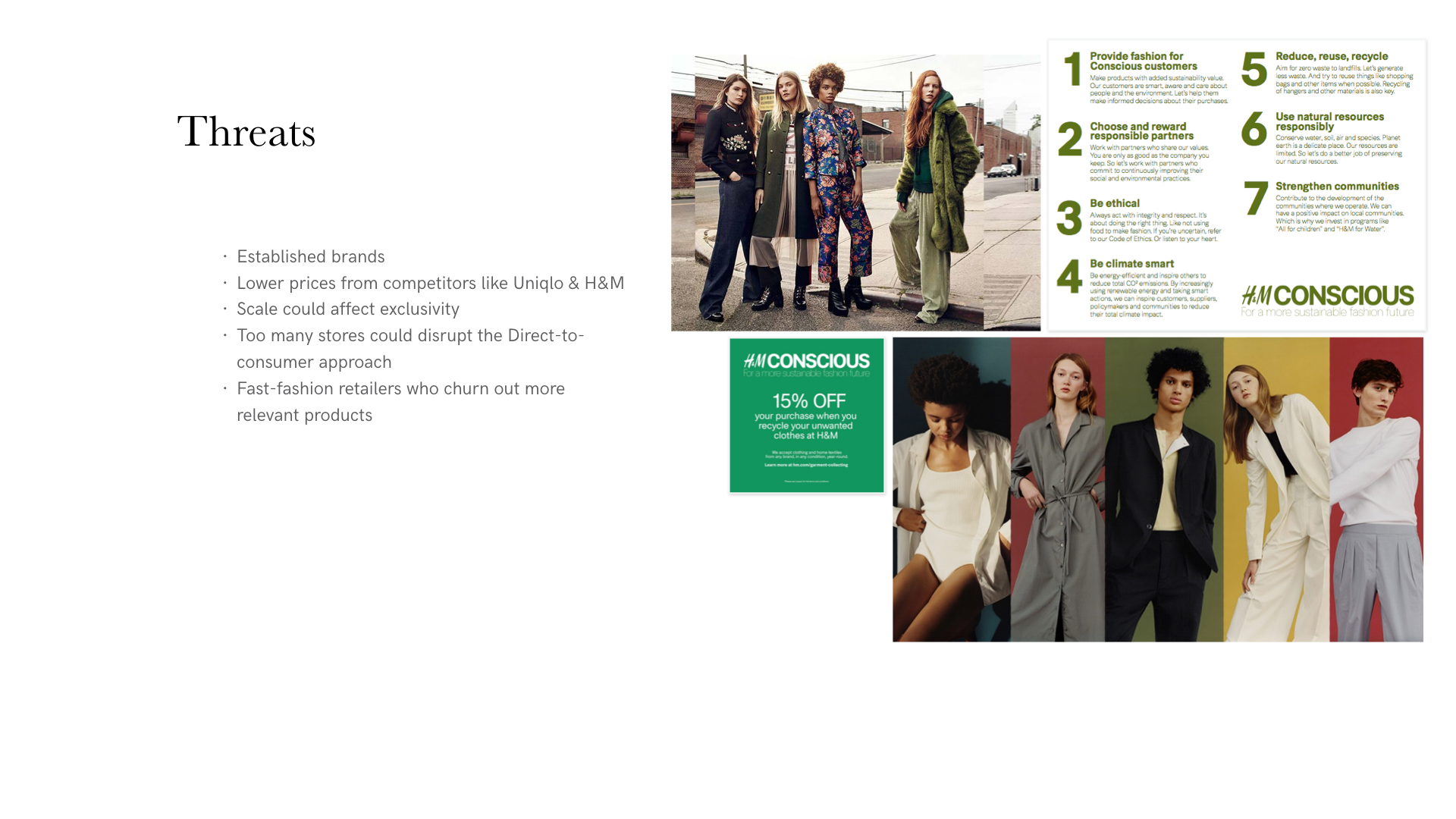
The case study was an extensive research project that delved deep into the core target market, values, brand positioning, marketing strategies, product lines, and competitors. Using this summary, I created a SWOT analysis focusing on the areas that could reveal the strengths, weaknesses, opportunities, and threats the company has.
All Images belong to Everlane. Images used for educational purposes only.
The case study was an extensive research project that delved deep into the core target market, values, brand positioning, marketing strategies, product lines, and competitors. Using this summary, I created a SWOT analysis focusing on the areas that could reveal the strengths, weaknesses, opportunities, and threats the company has.
All Images belong to Everlane. Images used for educational purposes only.


Are We All Racist?
INTERACTION DESIGN
GRAPHIC DESIGN
PRINT DESIGN
VIDEO
CULTURAL PROBE
This body of work is a compilation of sensory ethnography for design research to understanding the patterns of behavior and gaining insights into how my subjects viewed the subject of racism and how it affected them.
The Ethnographic Research
The purpose
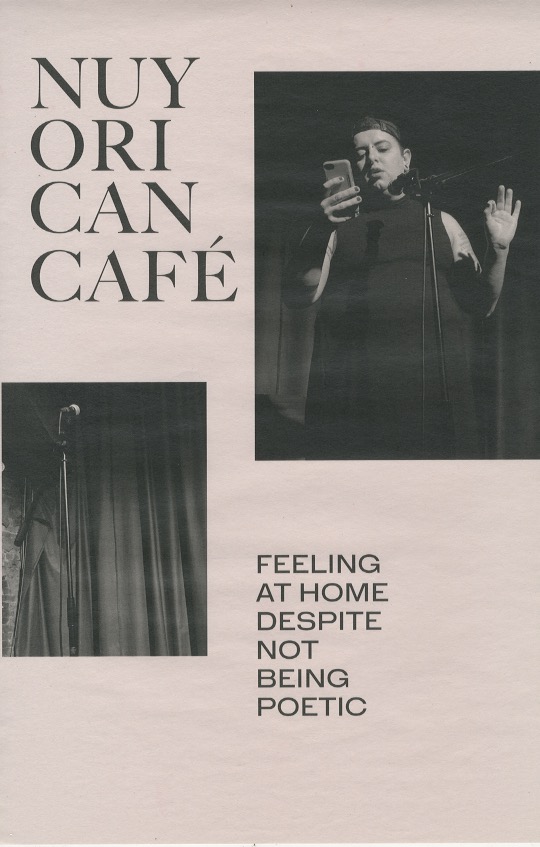
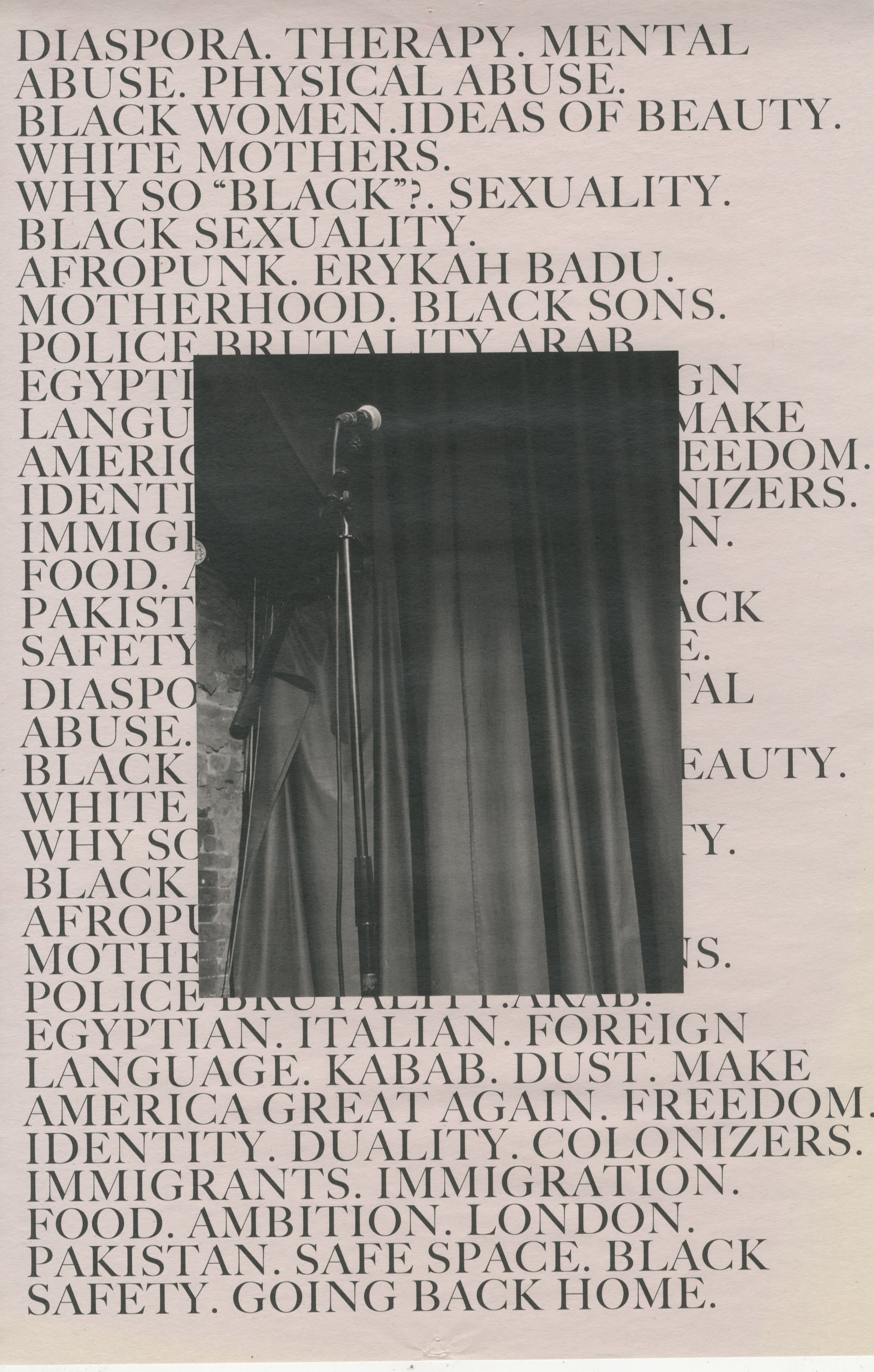
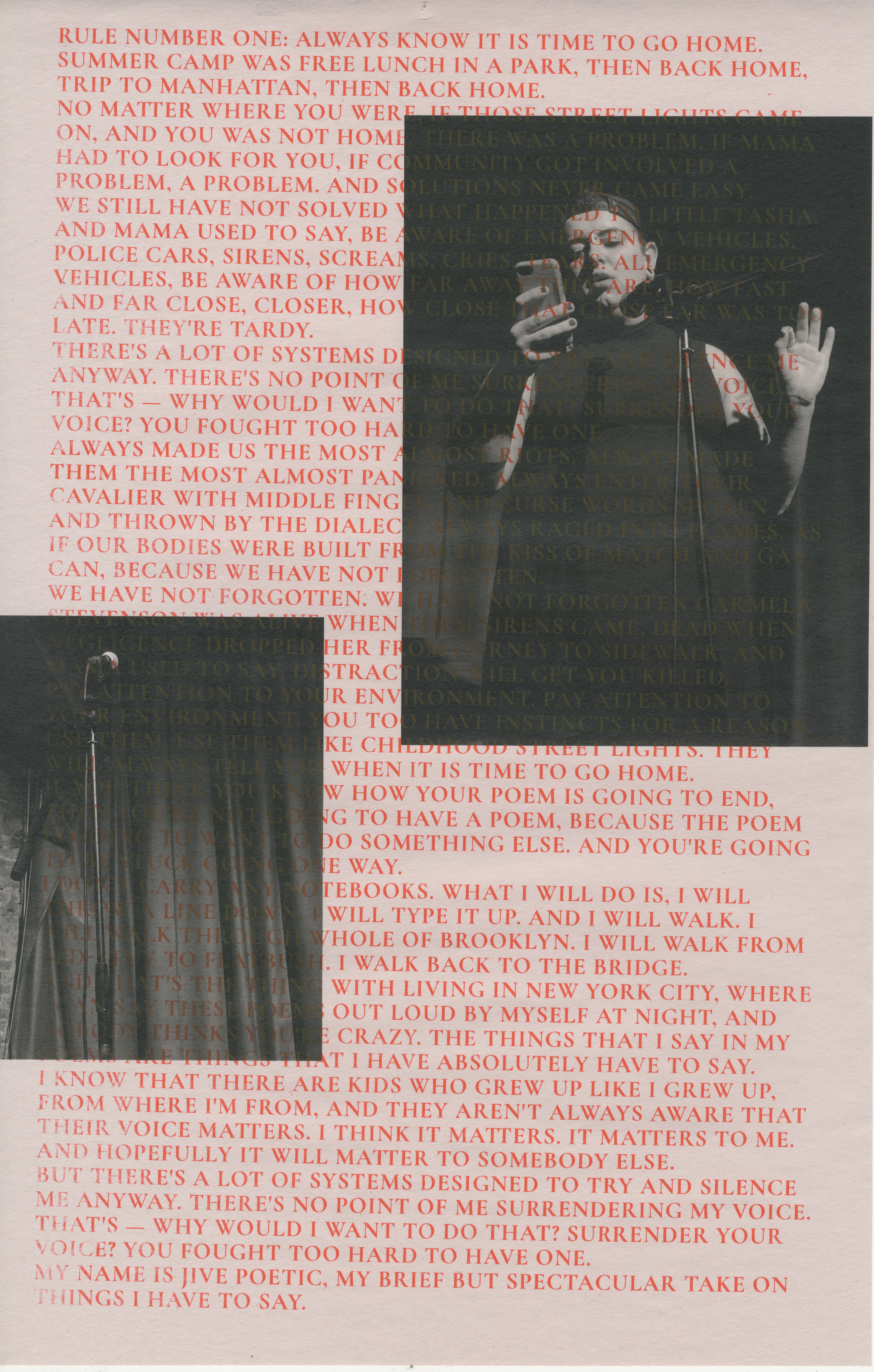
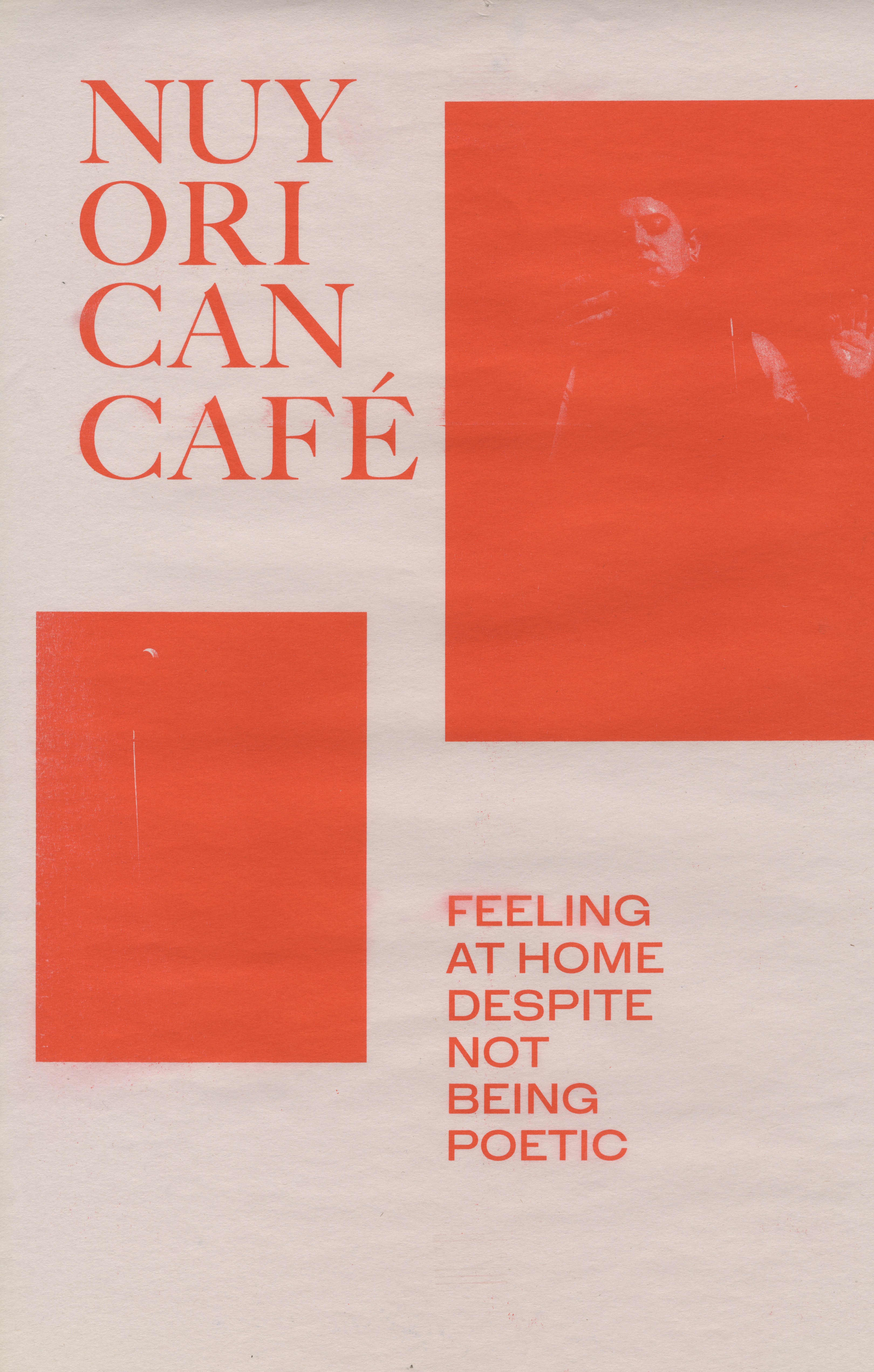
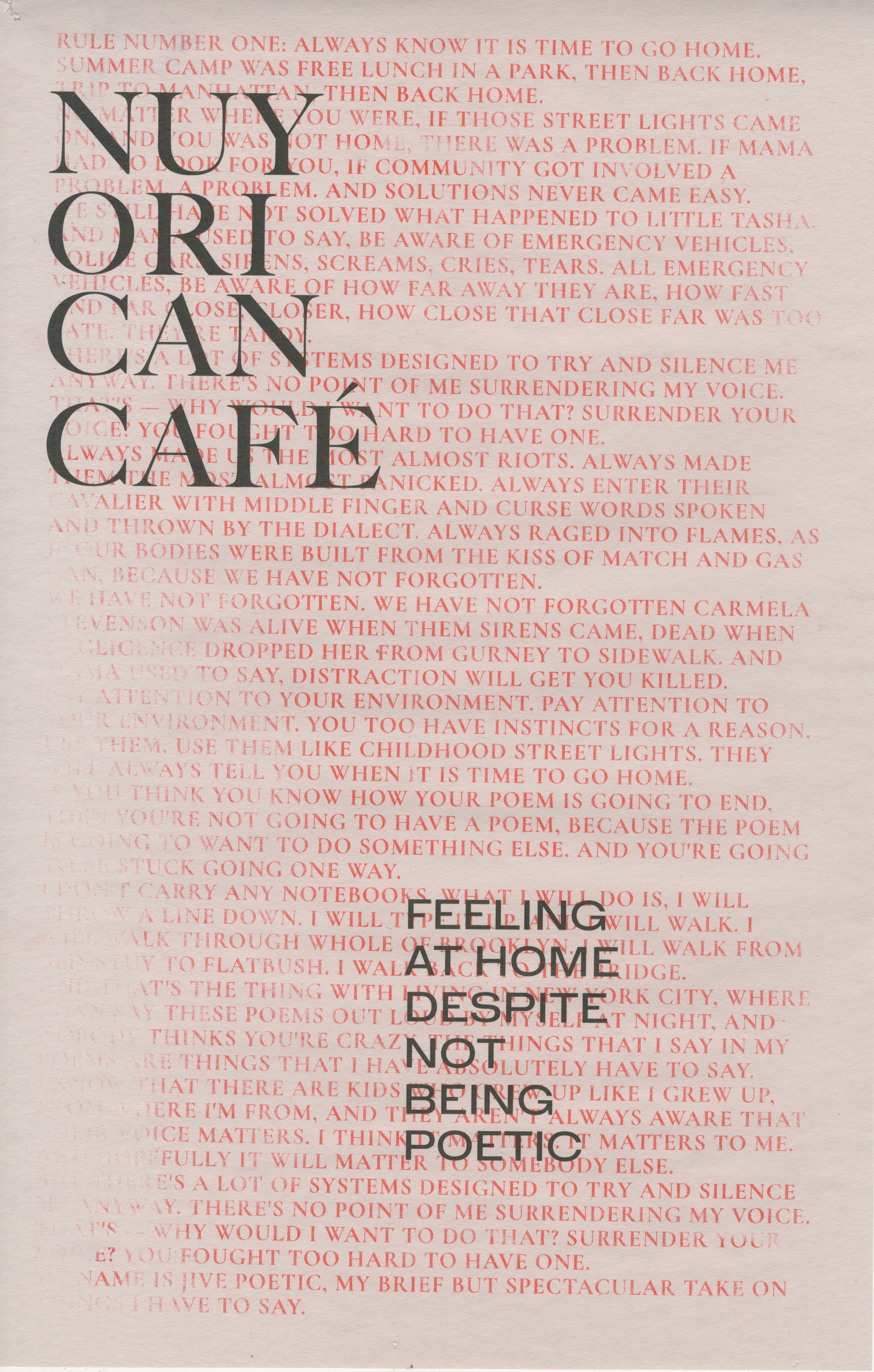
The ethnographic research of the place, The Nuyorican Poets Cafe was a visual representation of an area that's considered a safe space. It is the perfect space to have a sensorial experience that had the relevant group of individuals who belong to marginalized communities. Hence, it couldn't be photographed or documented
in any way.
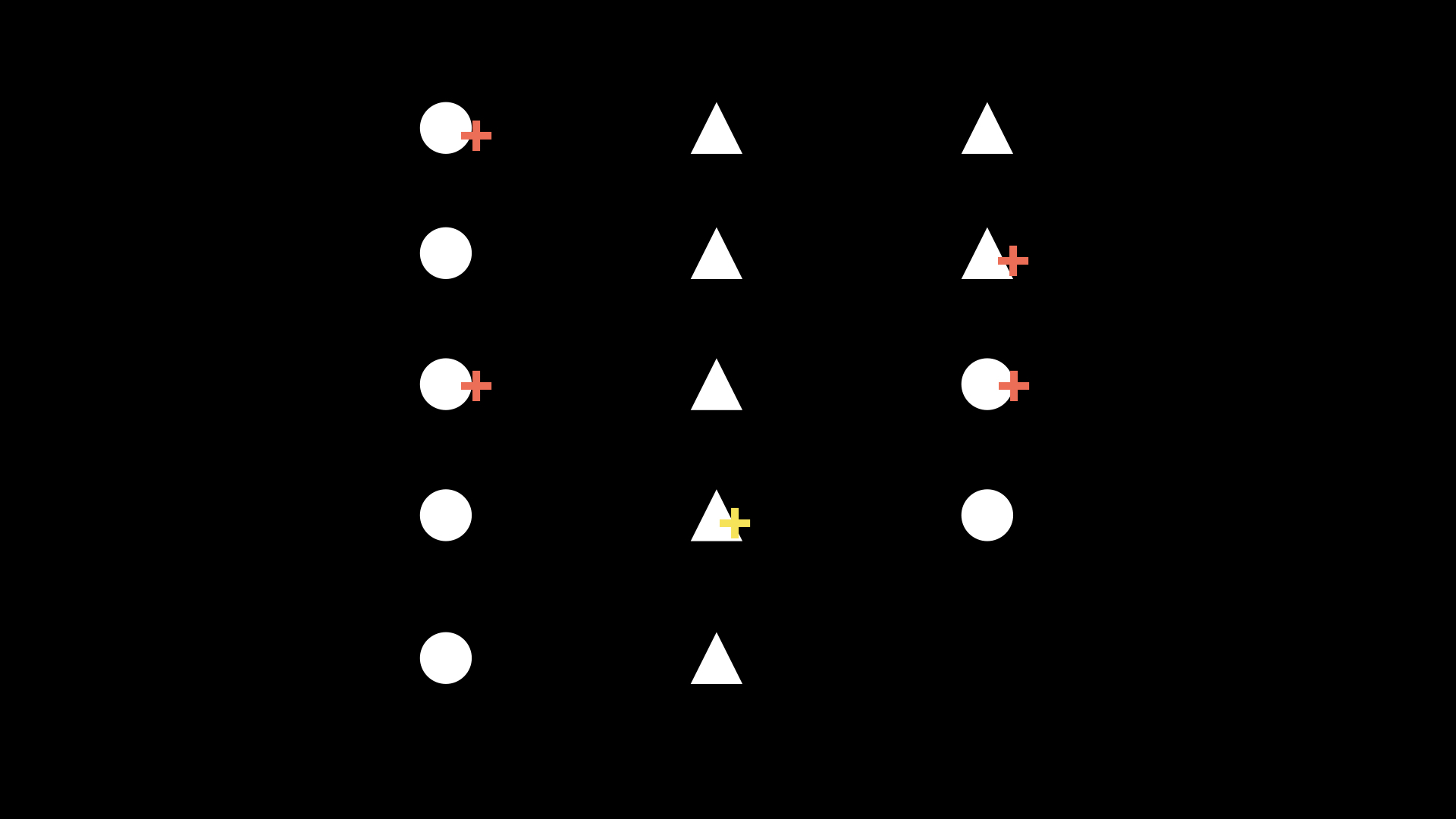
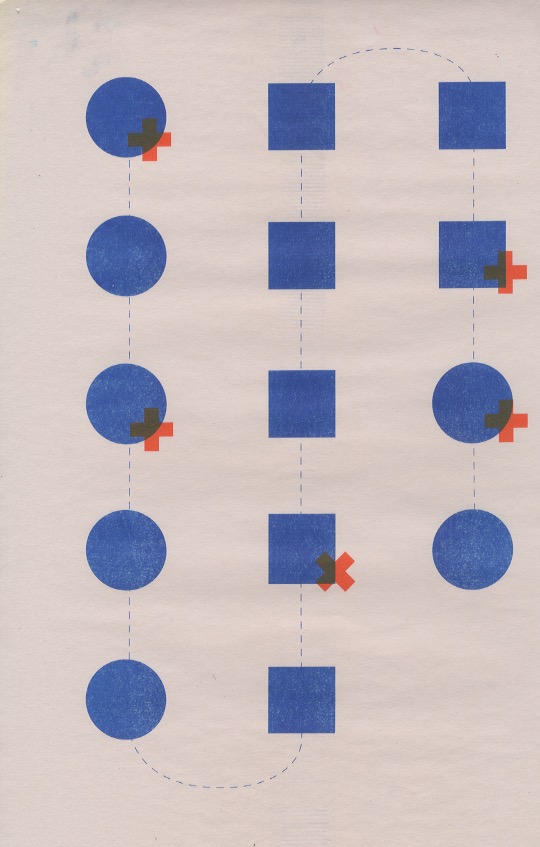
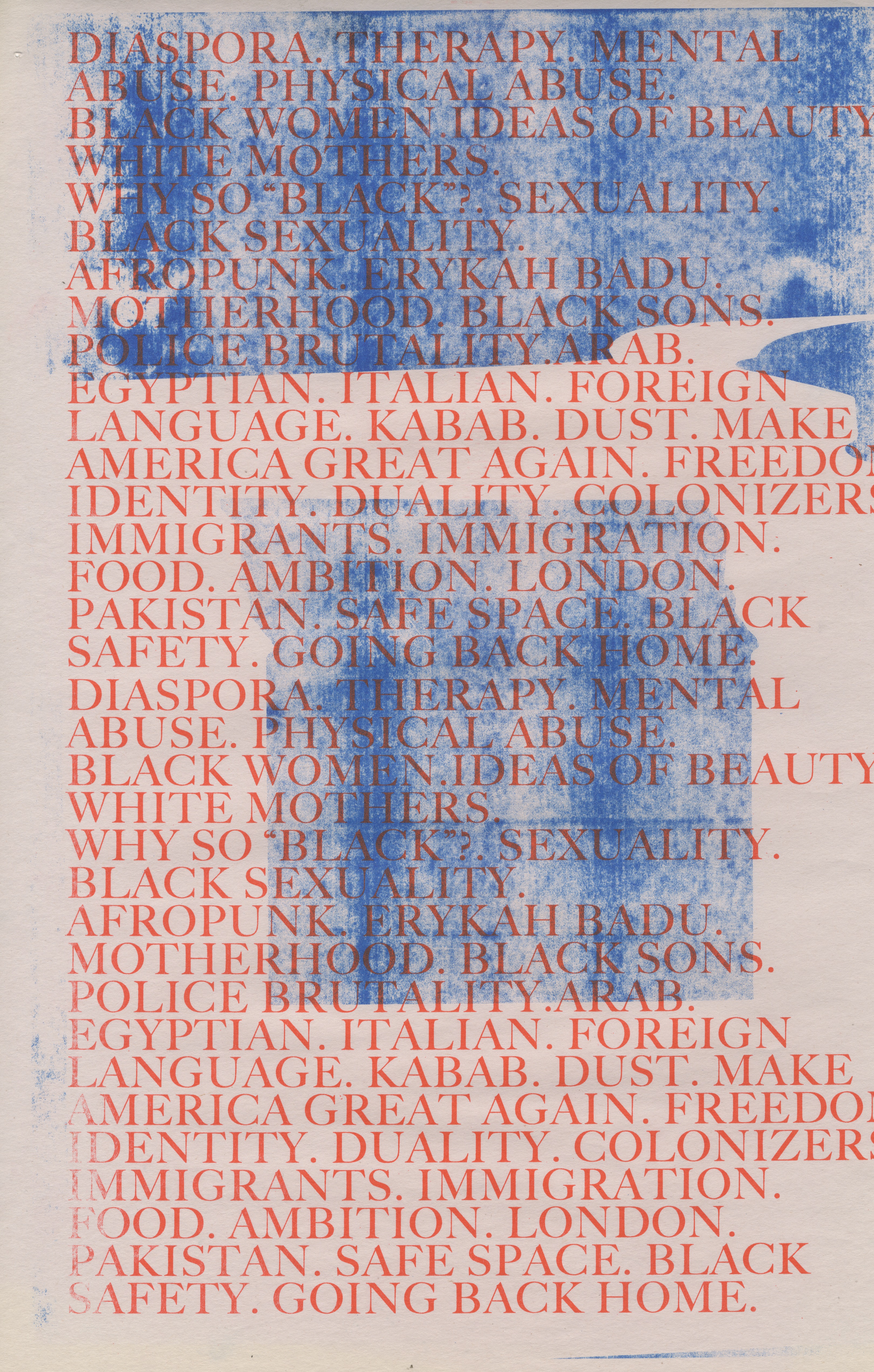
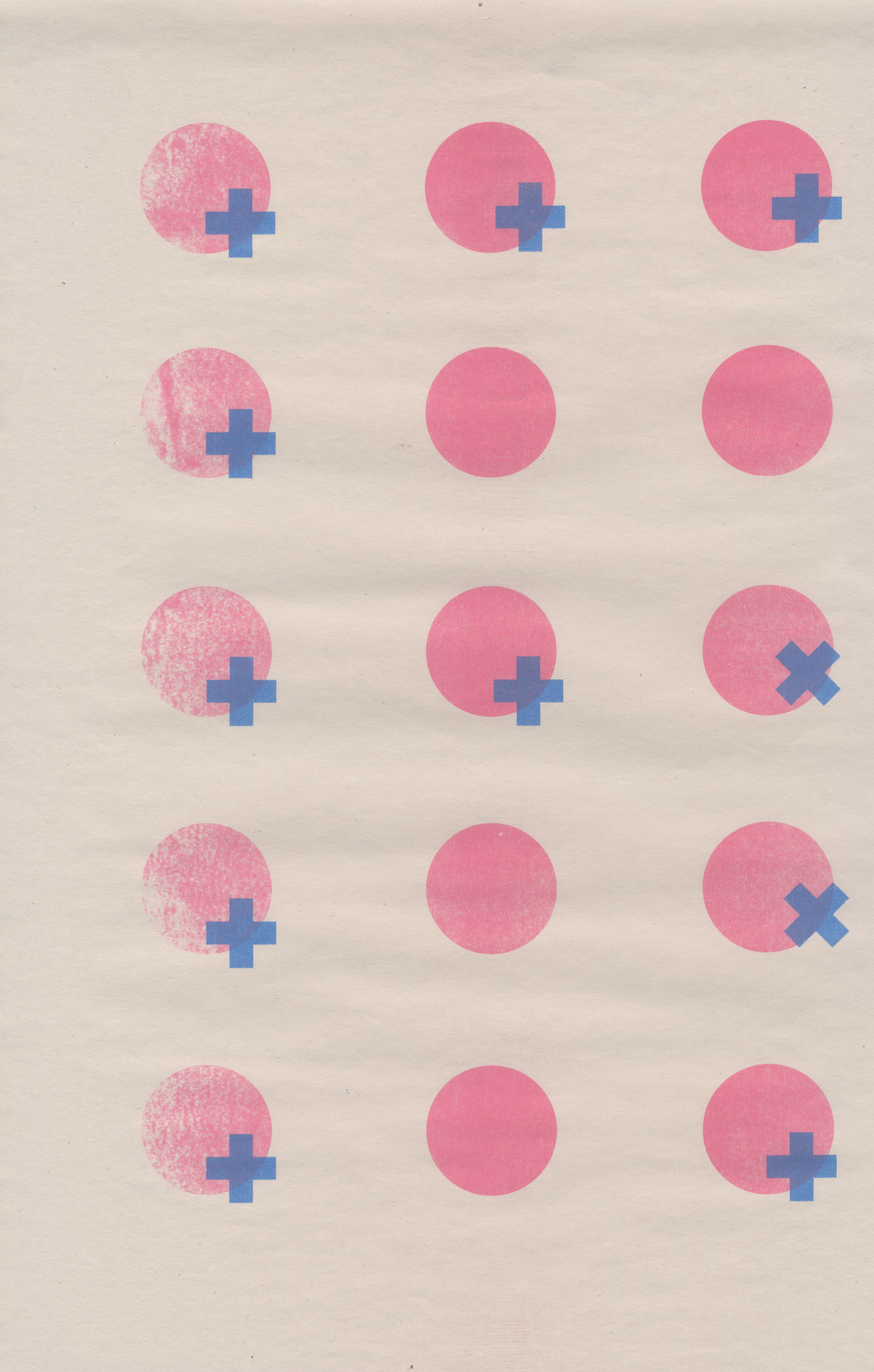
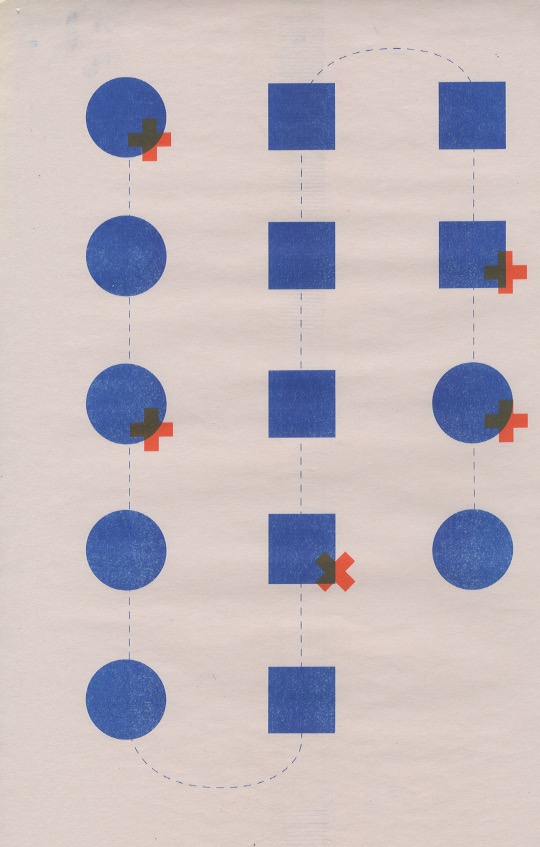
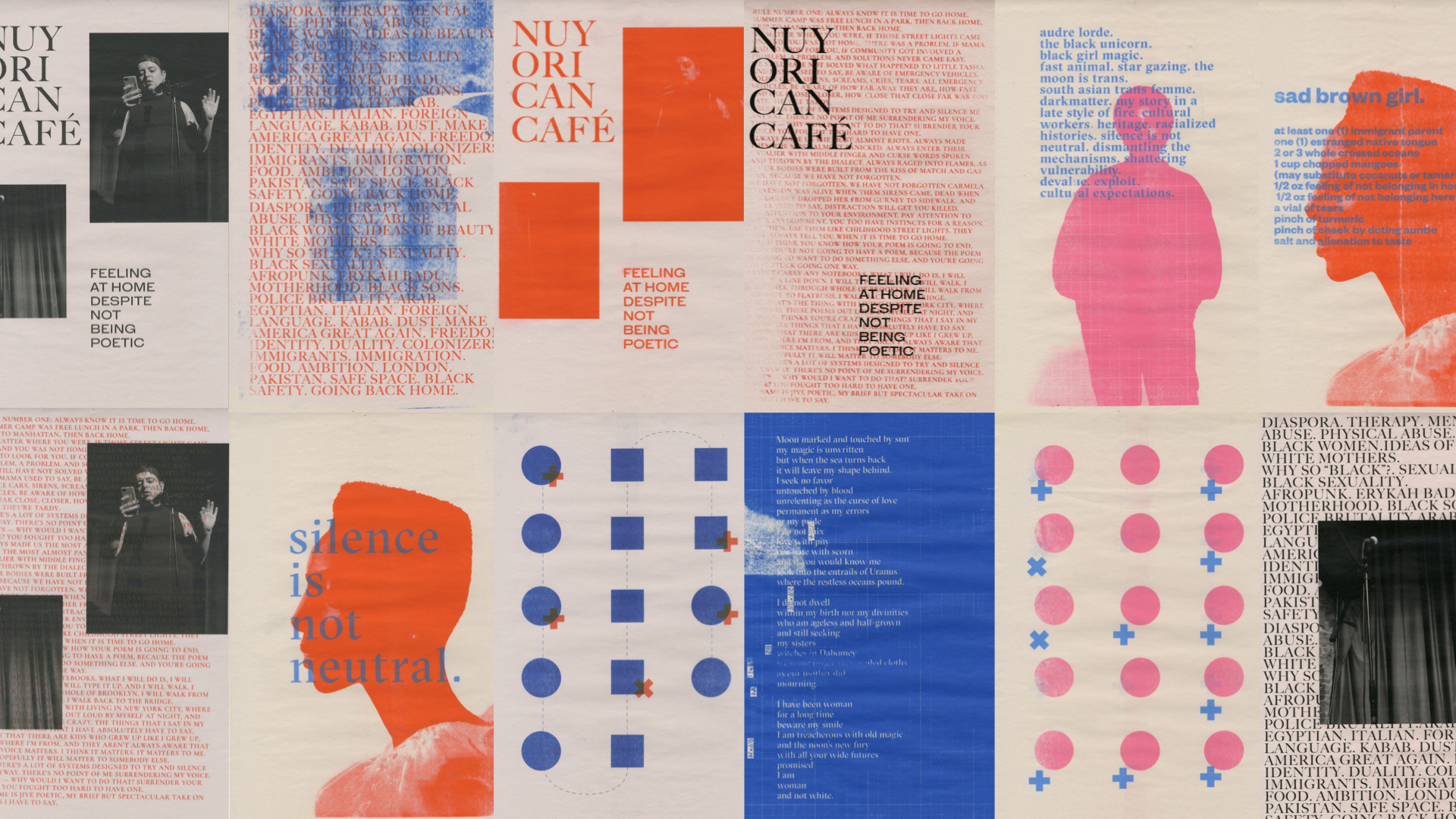
My documentation of the performers there was coded to be respectful of their privacy and the policies of the place. I used symbols to represent their ethnicity, race, and gender to get an understanding of who is using poetry as a platform.
The ethnographic research of the place, The Nuyorican Poets Cafe was a visual representation of an area that's considered a safe space. It is the perfect space to have a sensorial experience that had the relevant group of individuals who belong to marginalized communities. Hence, it couldn't be photographed or documented
in any way.
My documentation of the performers there was coded to be respectful of their privacy and the policies of the place. I used symbols to represent their ethnicity, race, and gender to get an understanding of who is using poetry as a platform.
JivePoetic from Snigdha pamula on Vimeo.
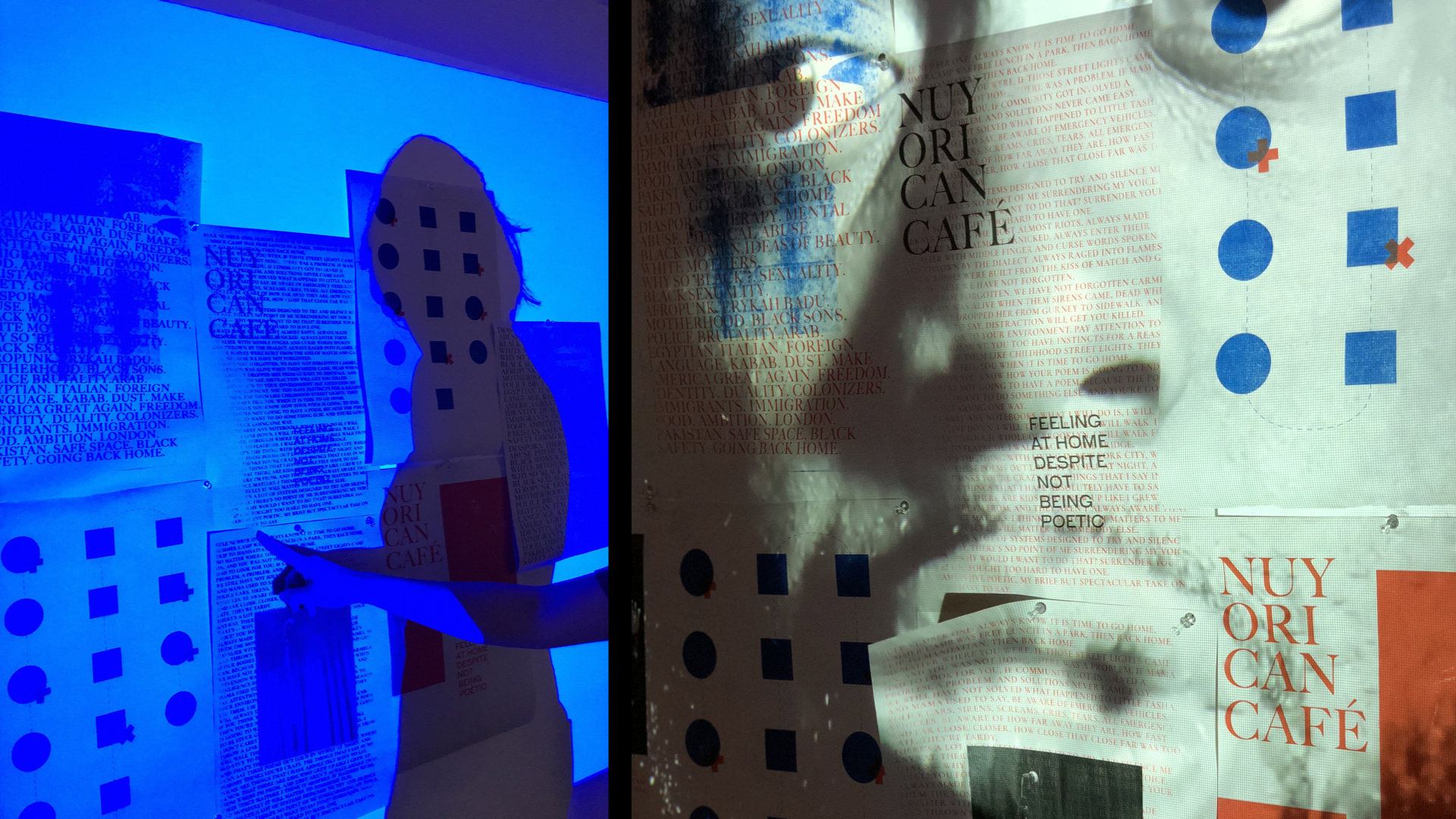
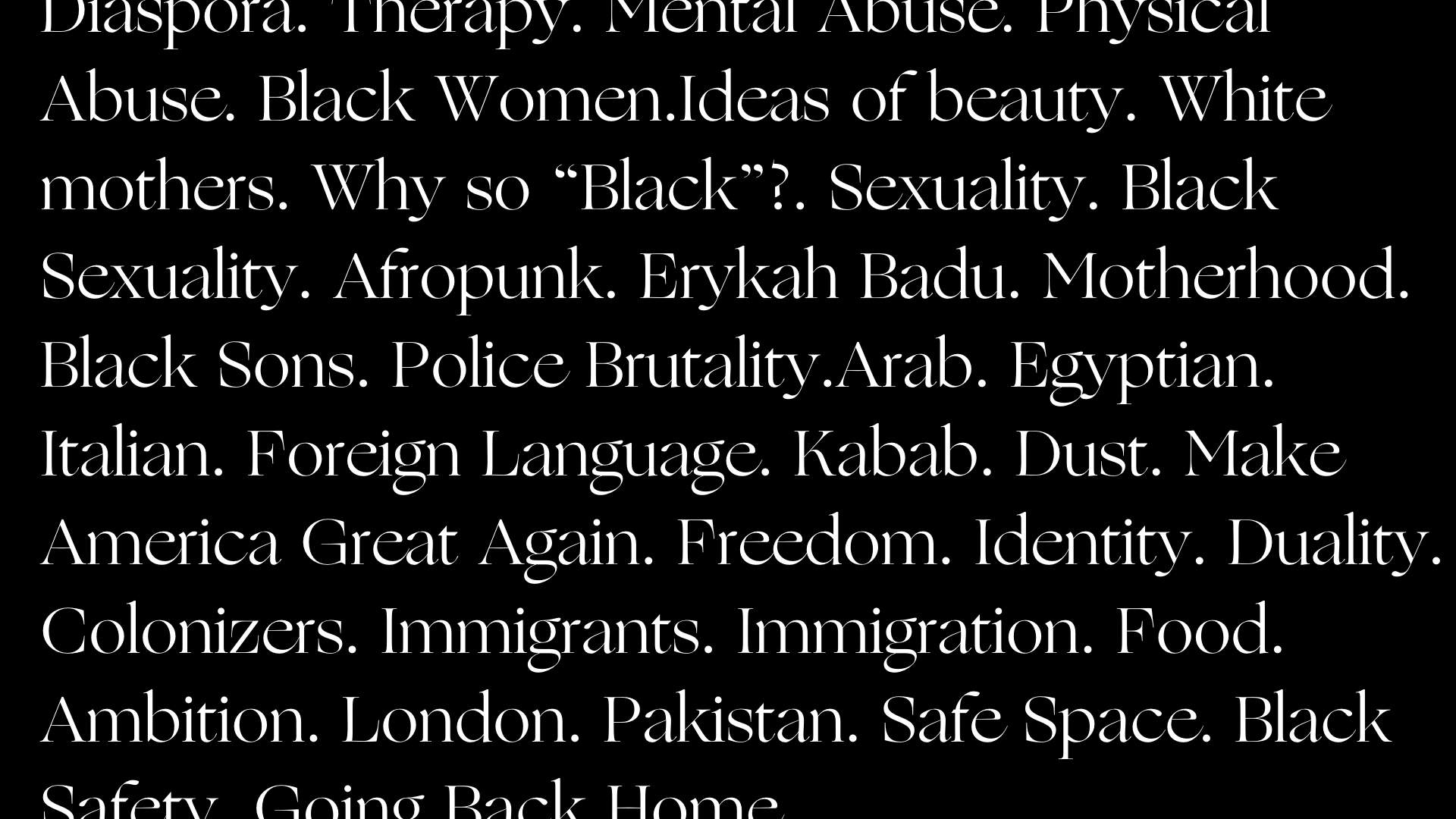
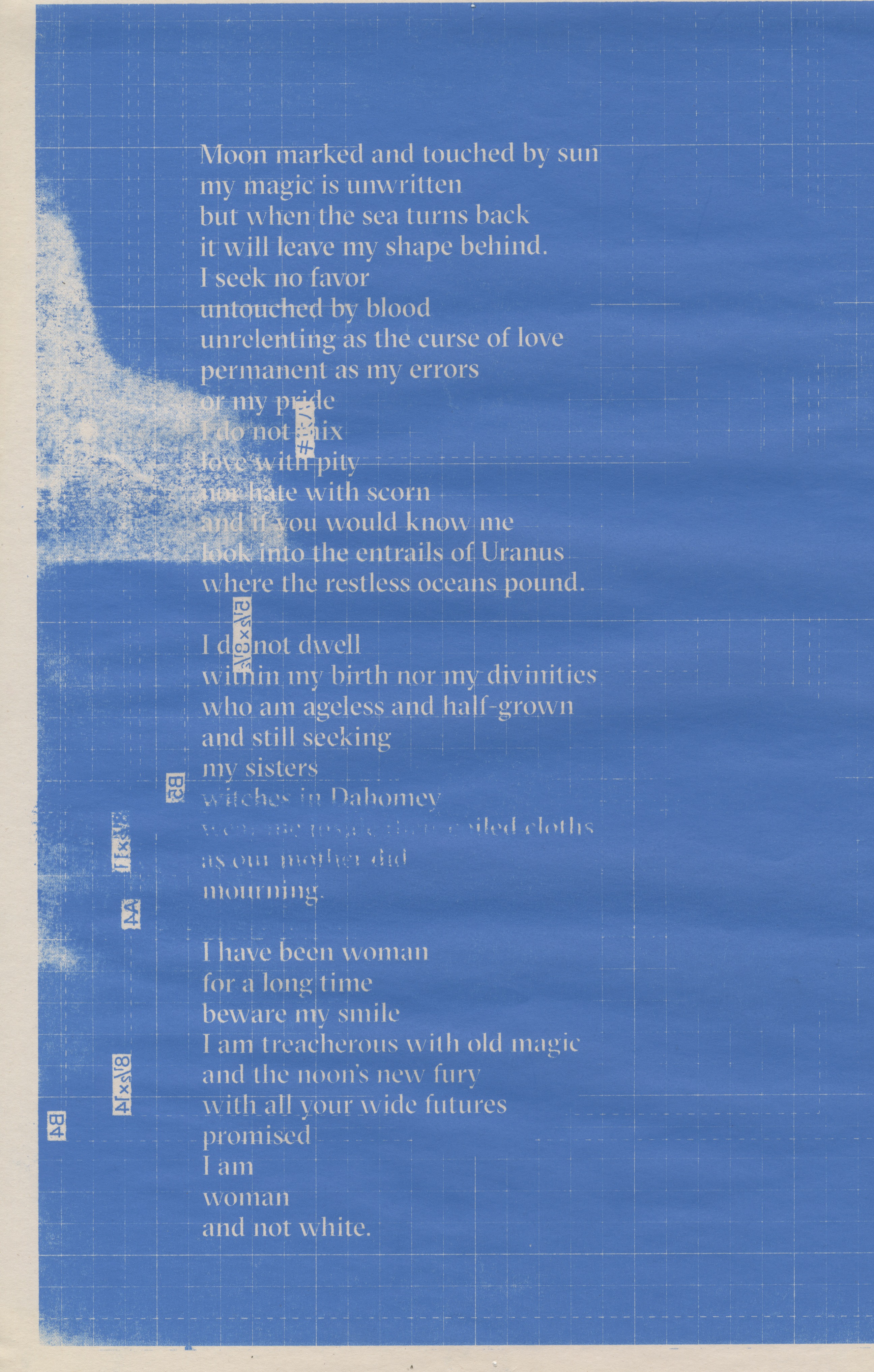
The juxtaposition of a performance piece by the host of the event, Jive Poetic (documented by Pratt Institute), with my observations from the Cafe to make a visual representation of what the experience at the space was without photographic evidence.
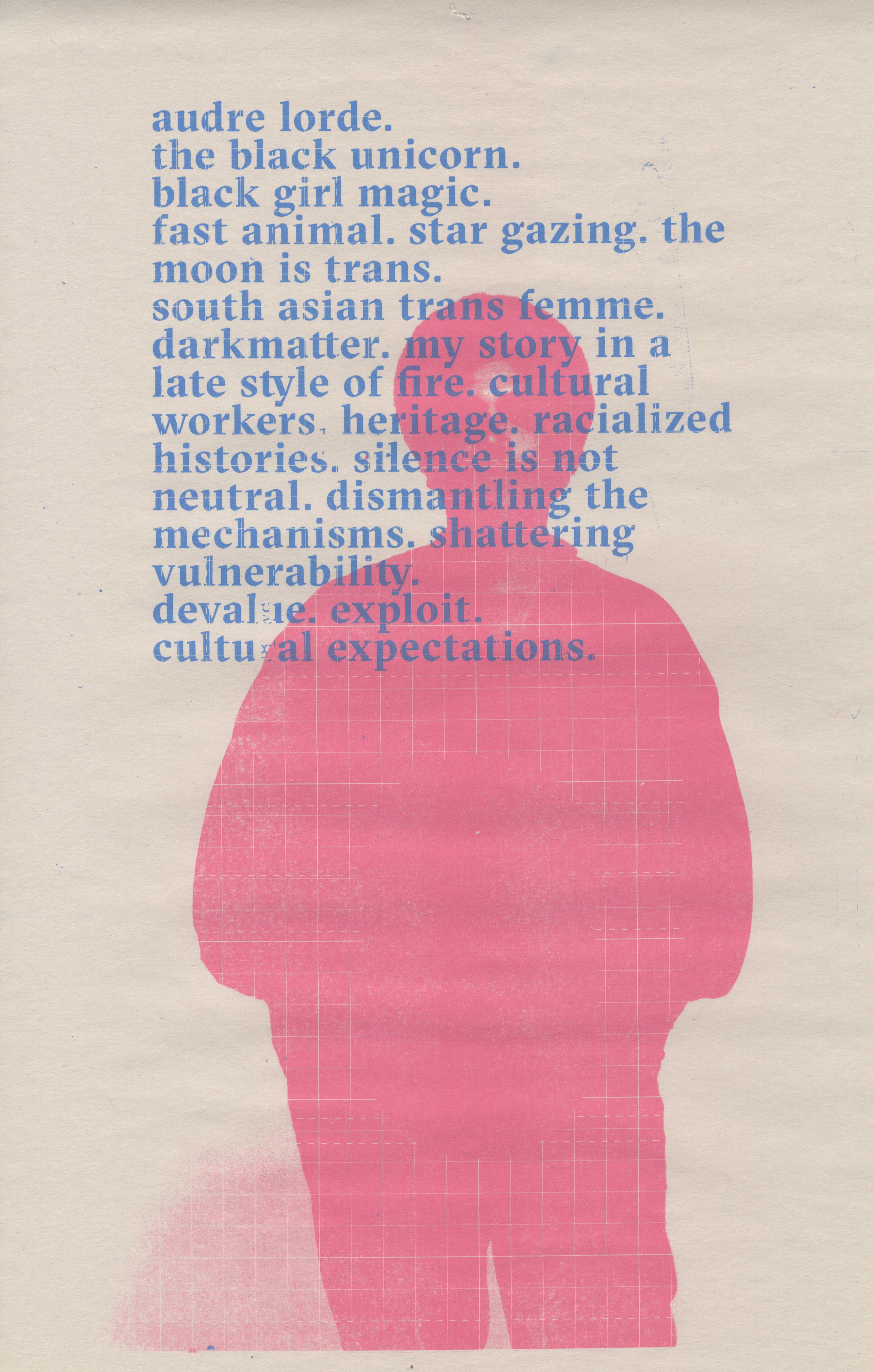
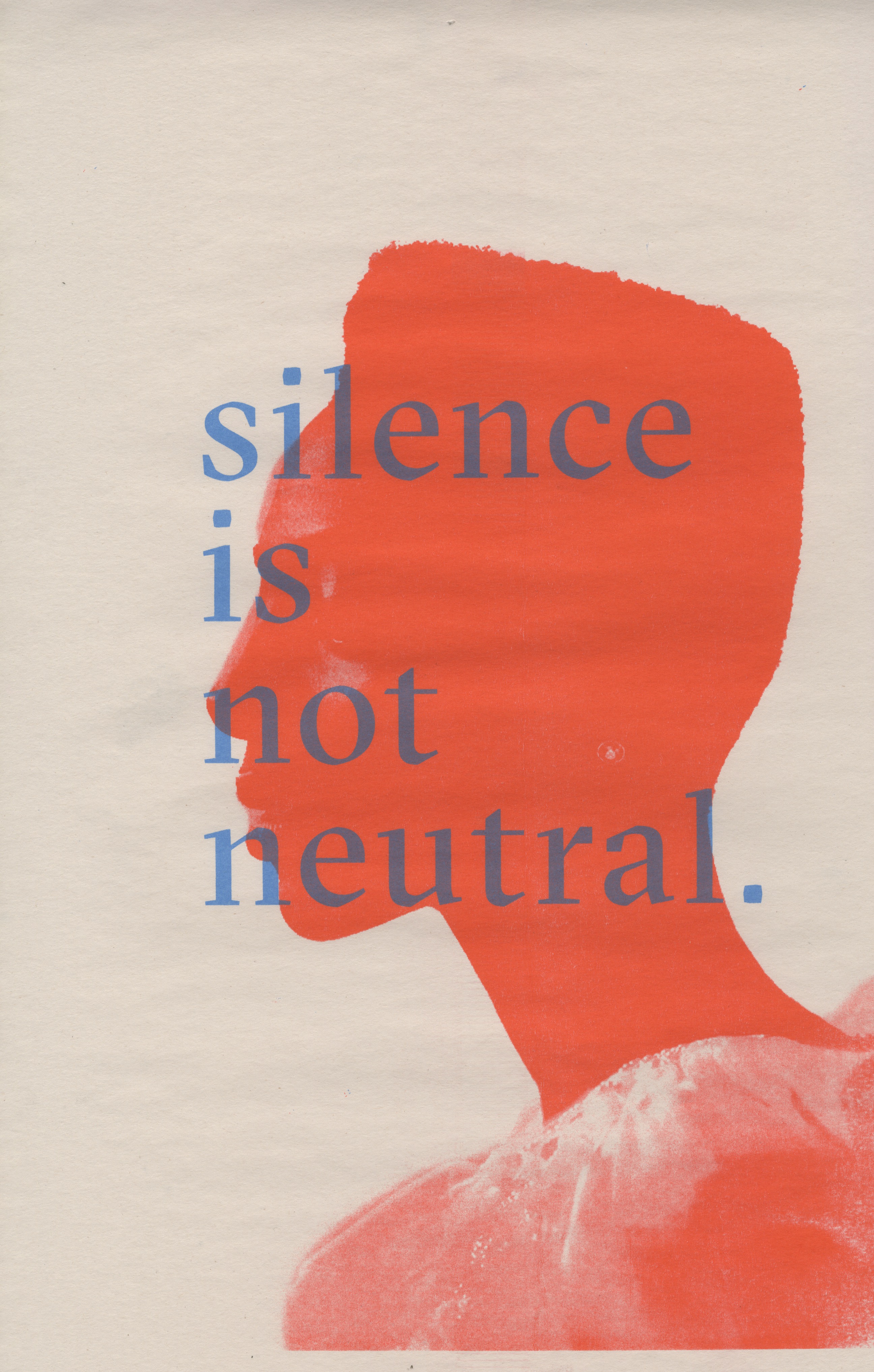
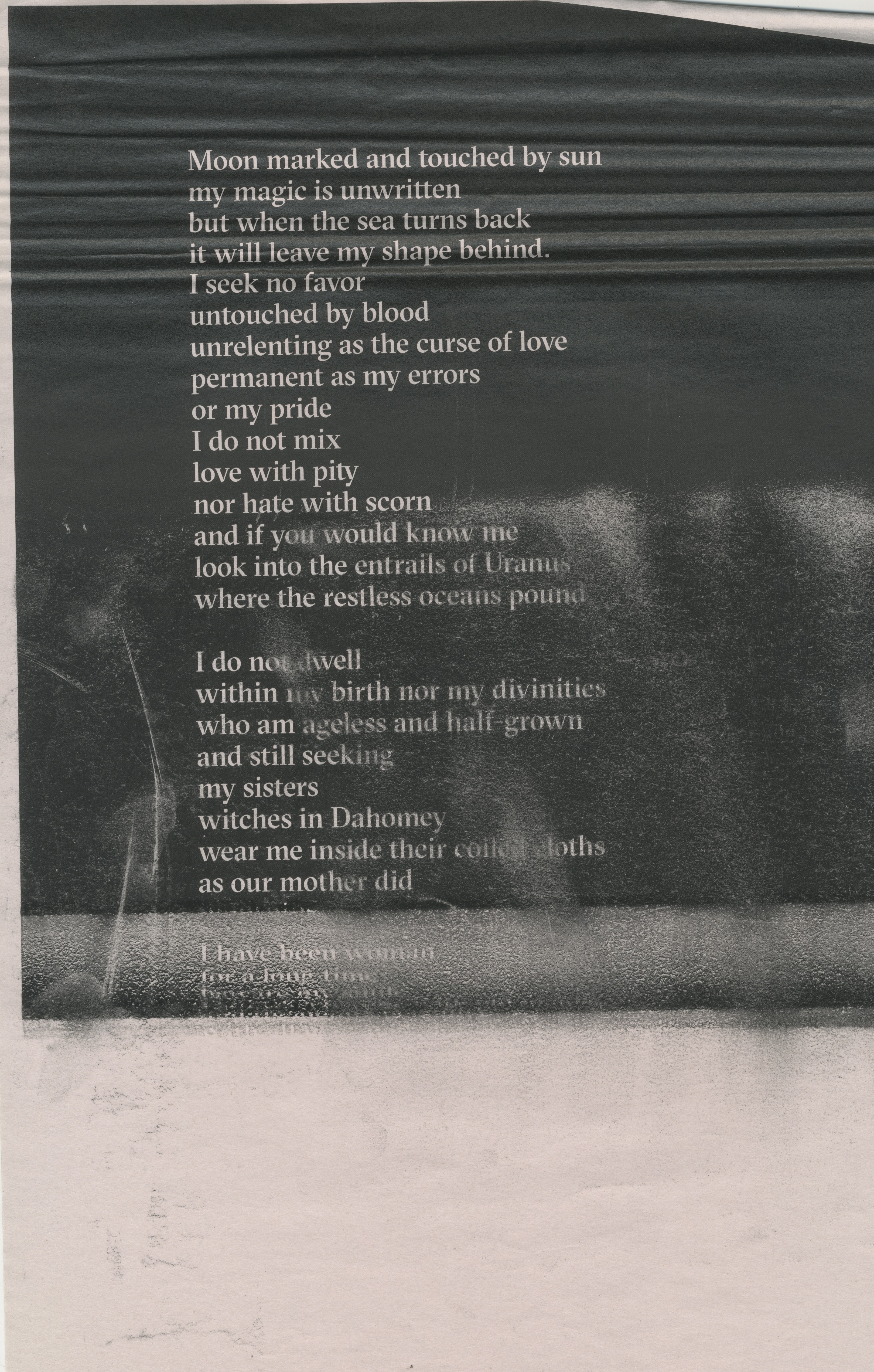
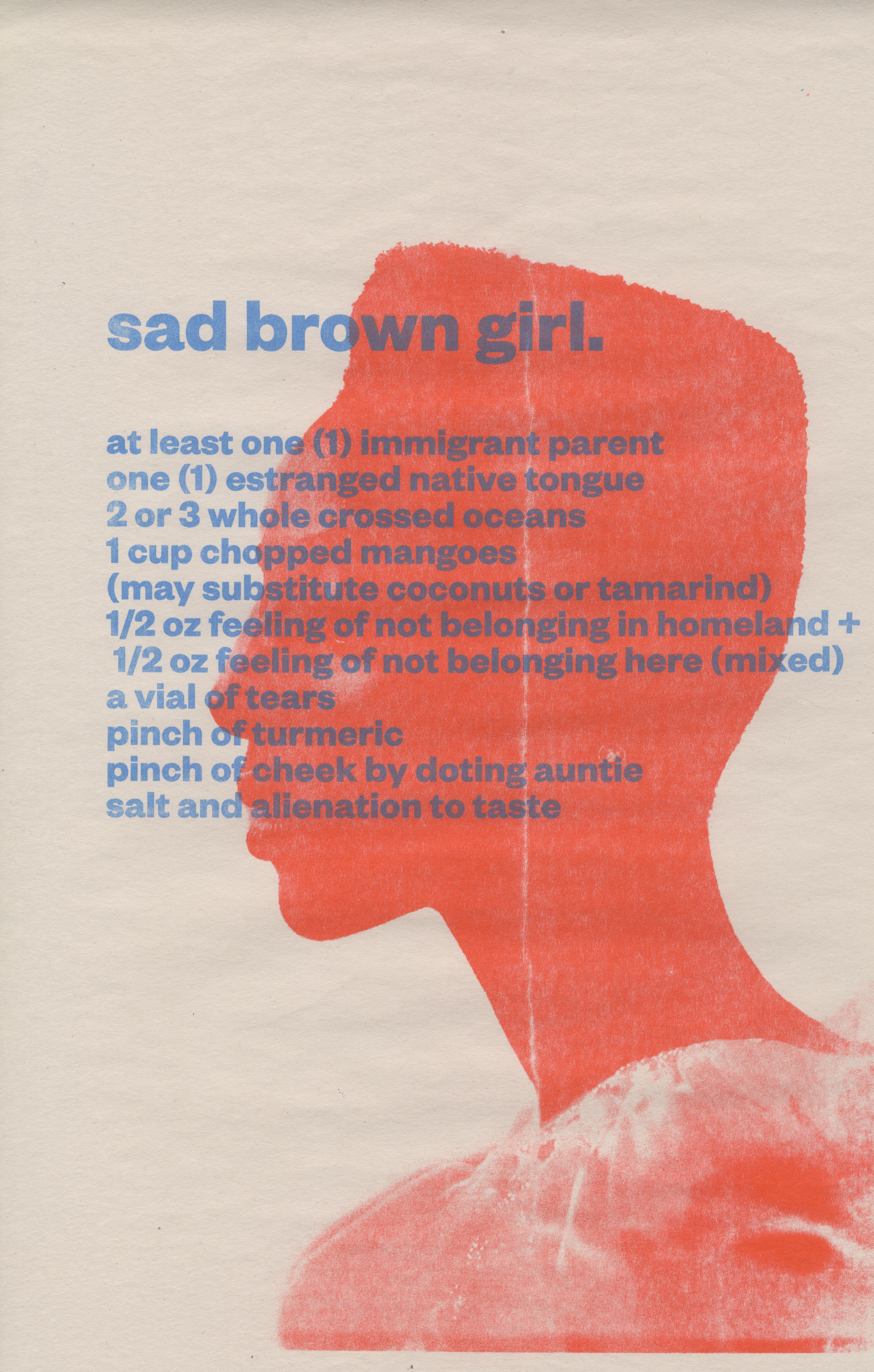
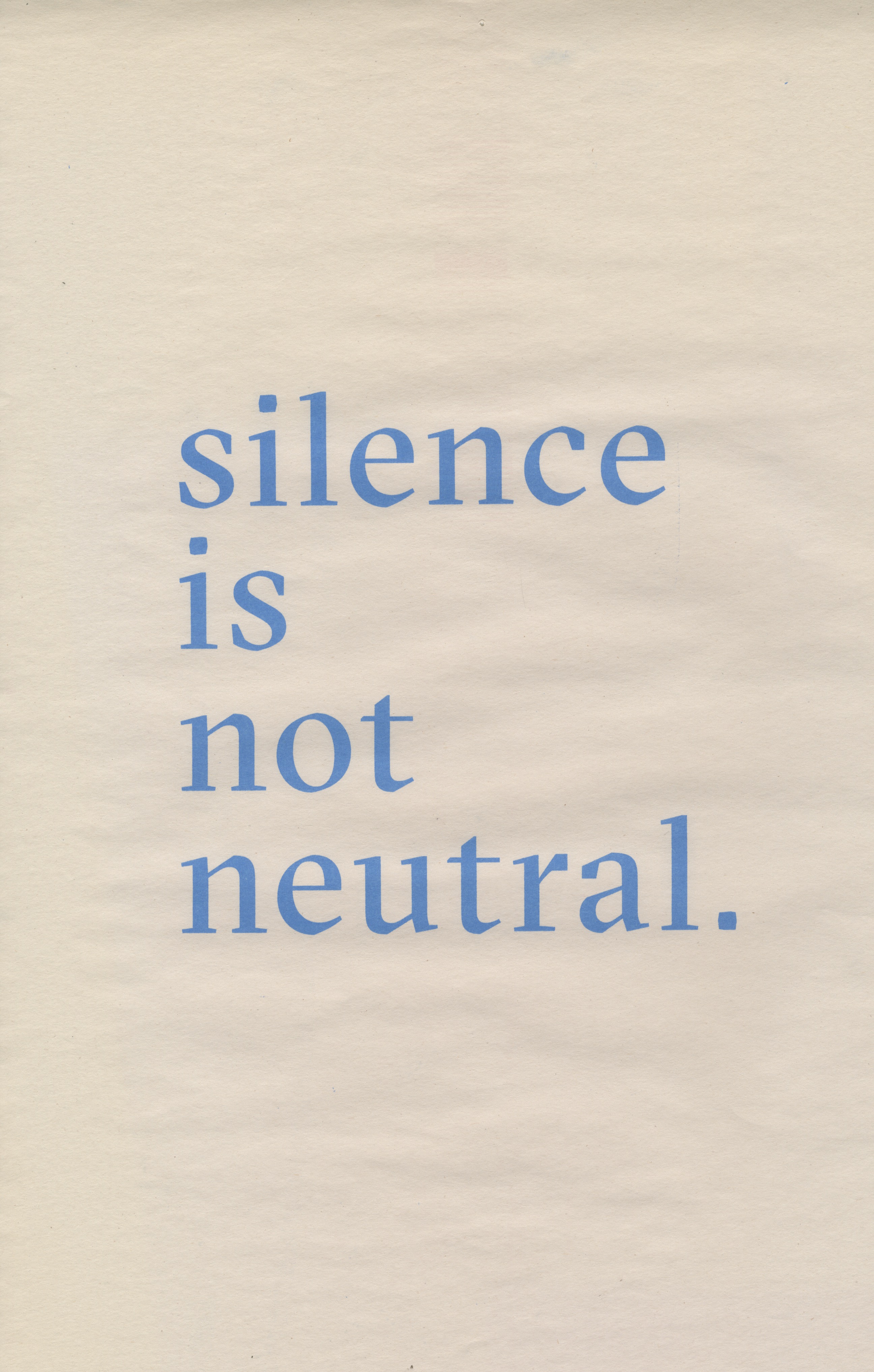
I further supplemented the visuals of the Nuyorican Poets' Cafe with poetry from Audre Lorde, Nayyirah Waheed, Rupi Kaur, and Yrsa Daley-Ward to demonstrate how poetry was being used as a medium to raise awareness about issues personal to the authors who are people of color.
It was also a contrast to the safe atmosphere that Nuyorican Poets' Cafe created versus Instagram's comment section which is not always positive.
The Cultural Probe
What did I want to find out?
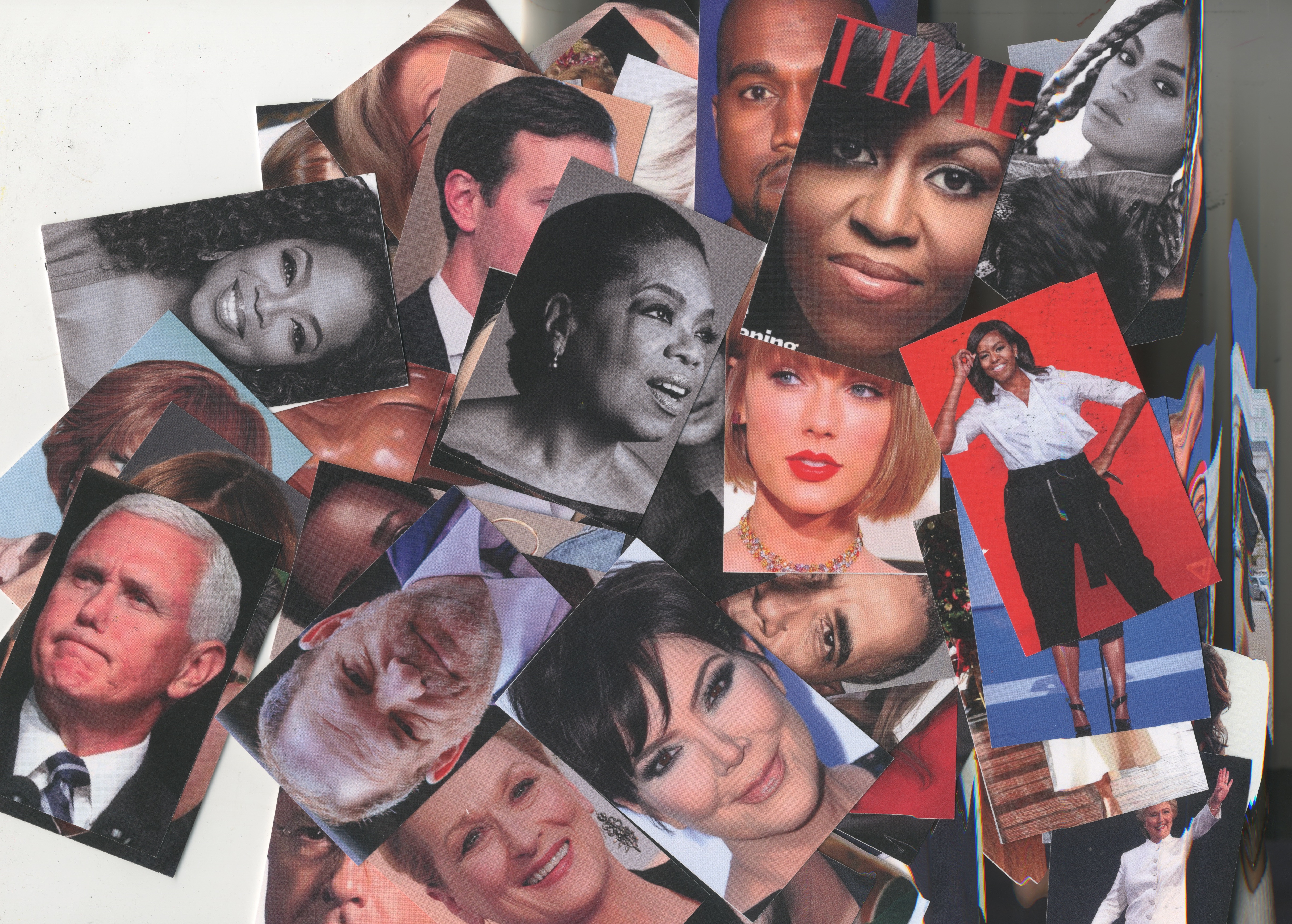
Using images of prominent celebrities, politicians, and policy-makers, I designed a group activity that required people to describe the person on the card using only three adjectives without revealing their profession. This exercise gave insights into how people perceived these public figures outside of their profession.
I used another edition of the same showing the same figure, but in different settings and attire to see if the subjects thought they were presidential or not.
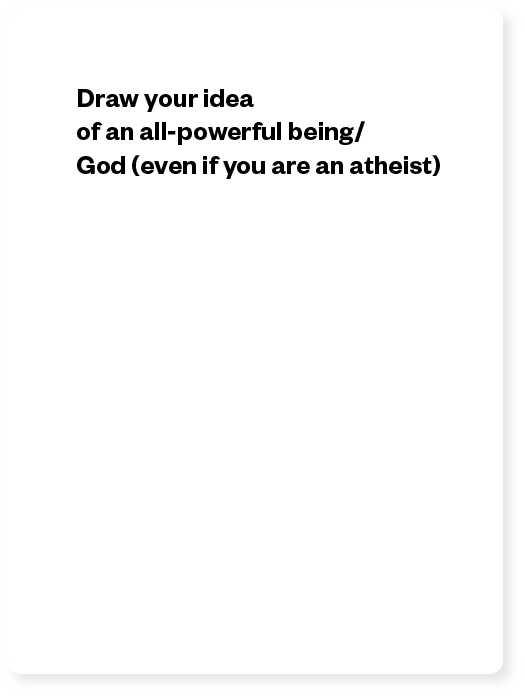
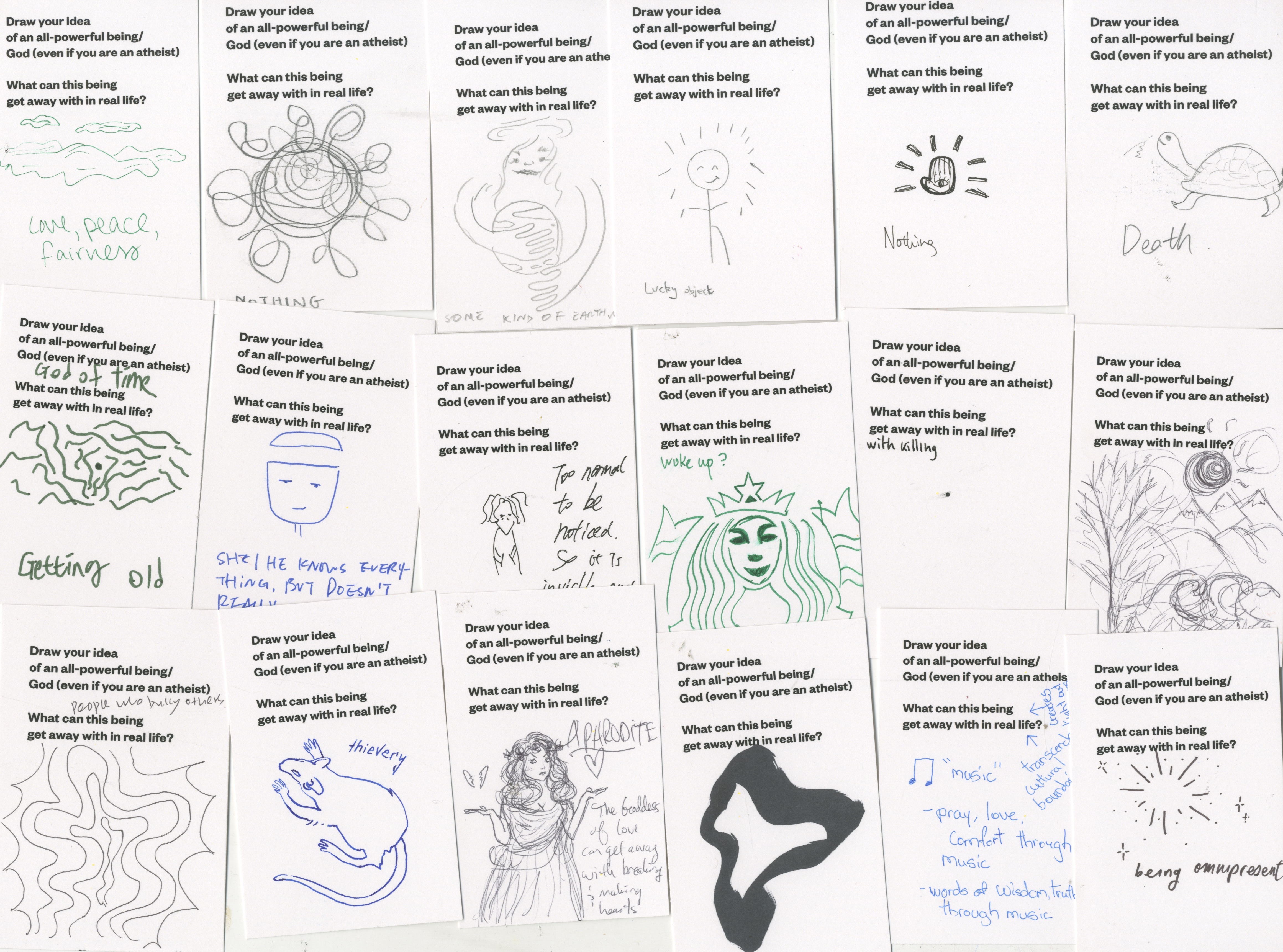
Another activity included drawing their idea of an all-powerful being and what they could get away with in real life. Through the first part of the question, I aimed to understand how they viewed power visually. The second part added a layer of fantasy grounded in reality.
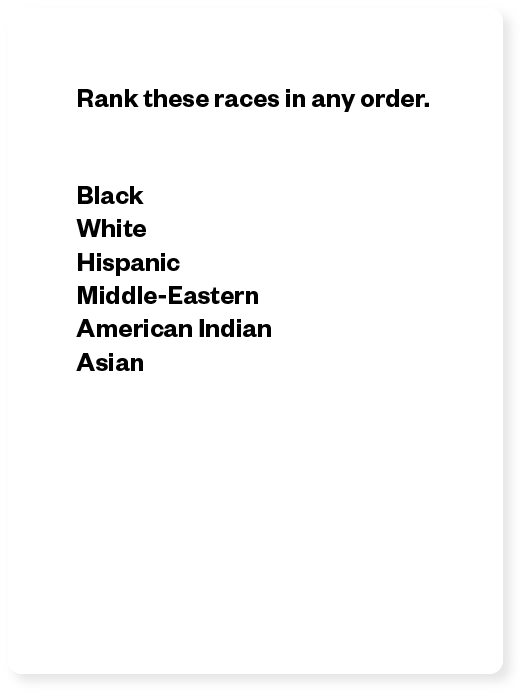
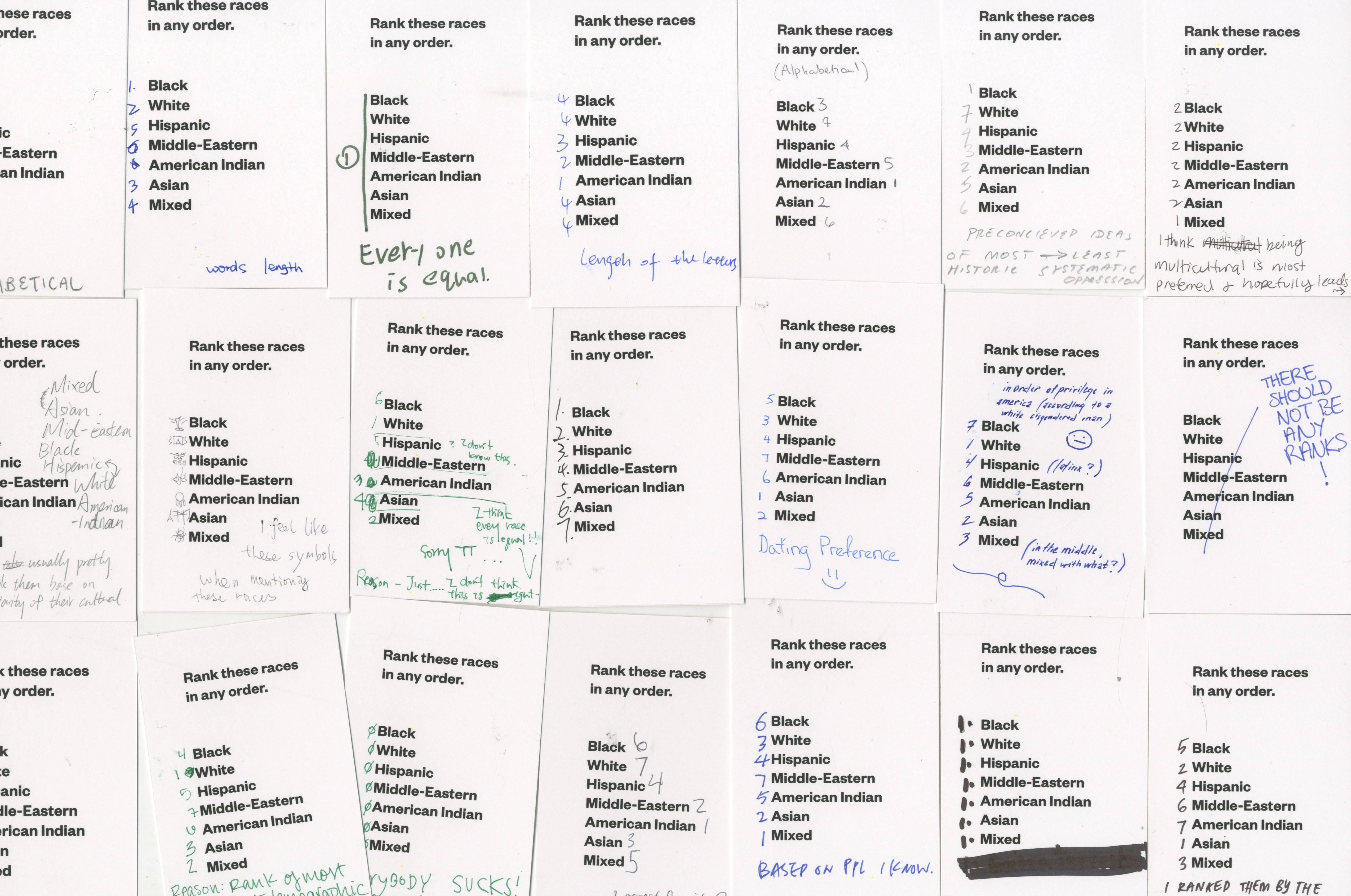
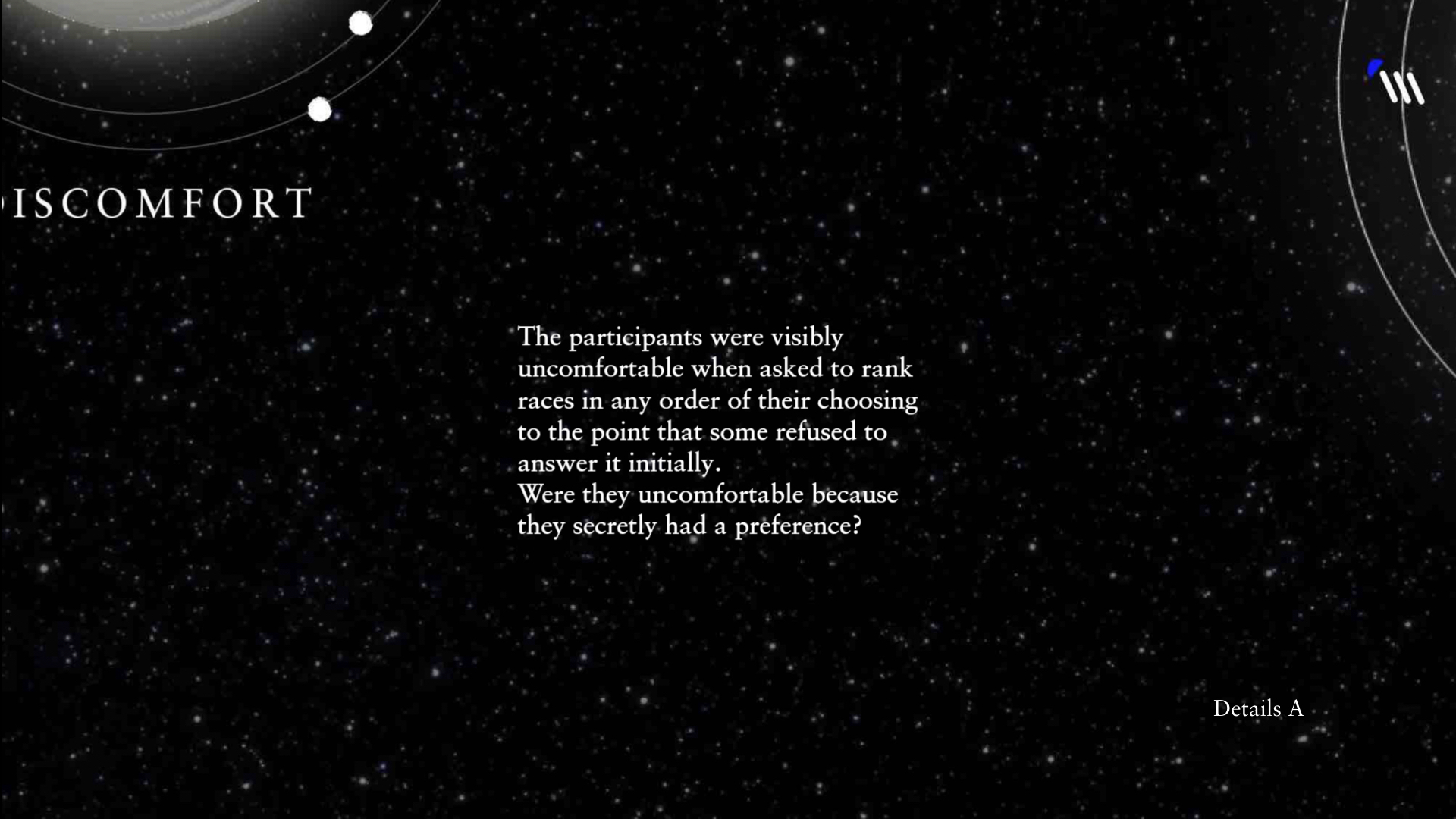
The third activity was ranking races in any order they deemed appropriate and why. The fourth exercise was creating an animoji that best represented them on their phones and using that animoji to sing their anthem of power. My expectations for this exercise was to understand how they regarded their sense of power and what drove them. The song, however, had scope for unexpected responses to see what kind of music made them feel powerful.
What did I want to find out?
Using images of prominent celebrities, politicians, and policy-makers, I designed a group activity that required people to describe the person on the card using only three adjectives without revealing their profession. This exercise gave insights into how people perceived these public figures outside of their profession.
I used another edition of the same showing the same figure, but in different settings and attire to see if the subjects thought they were presidential or not.
Another activity included drawing their idea of an all-powerful being and what they could get away with in real life. Through the first part of the question, I aimed to understand how they viewed power visually. The second part added a layer of fantasy grounded in reality.
The third activity was ranking races in any order they deemed appropriate and why. The fourth exercise was creating an animoji that best represented them on their phones and using that animoji to sing their anthem of power. My expectations for this exercise was to understand how they regarded their sense of power and what drove them. The song, however, had scope for unexpected responses to see what kind of music made them feel powerful.



The Results
Using grounded theory, I analyzed the results of my ethnographic research and my cultural probe and created a list of code that was relevant for my area of study.
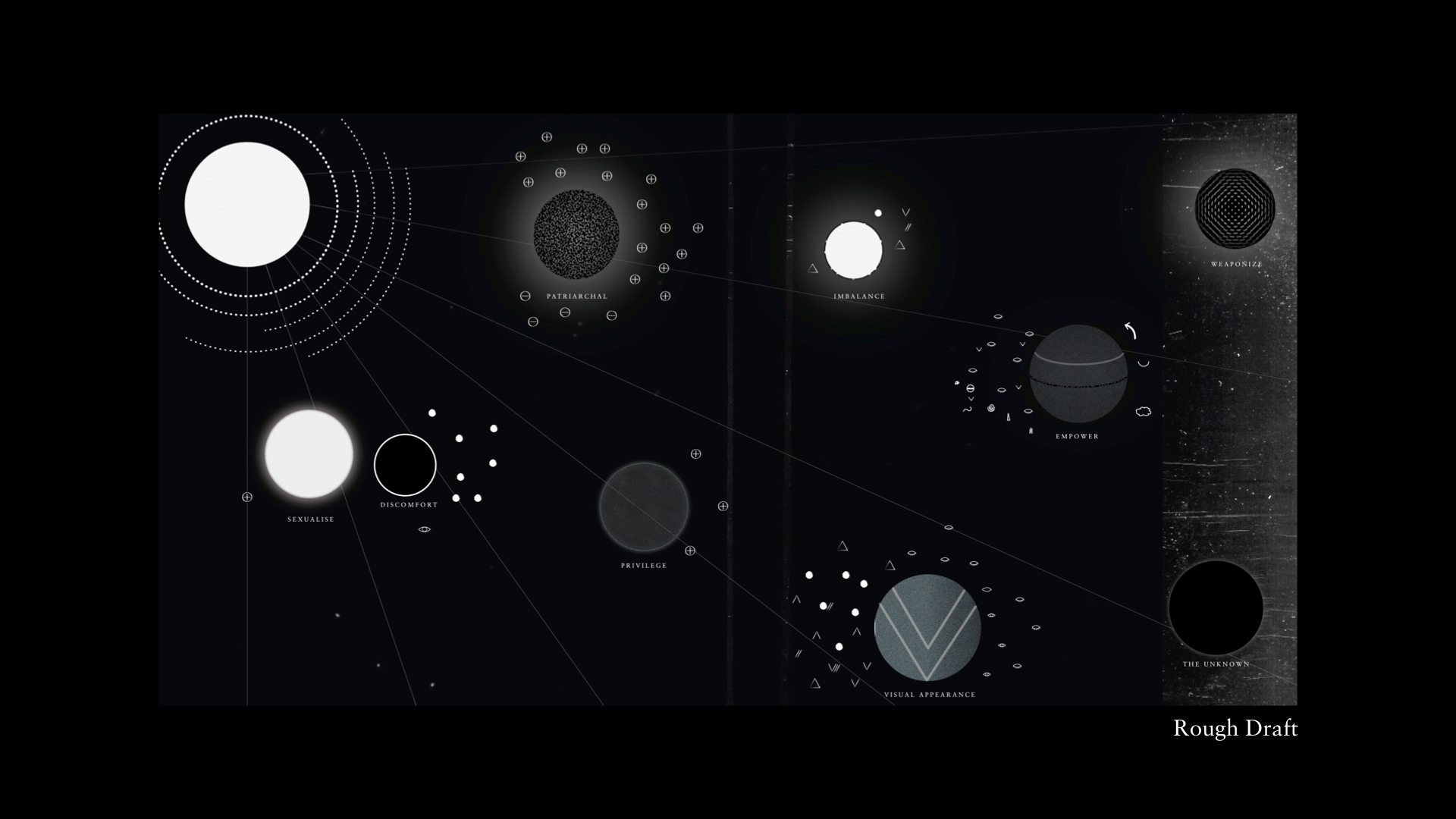
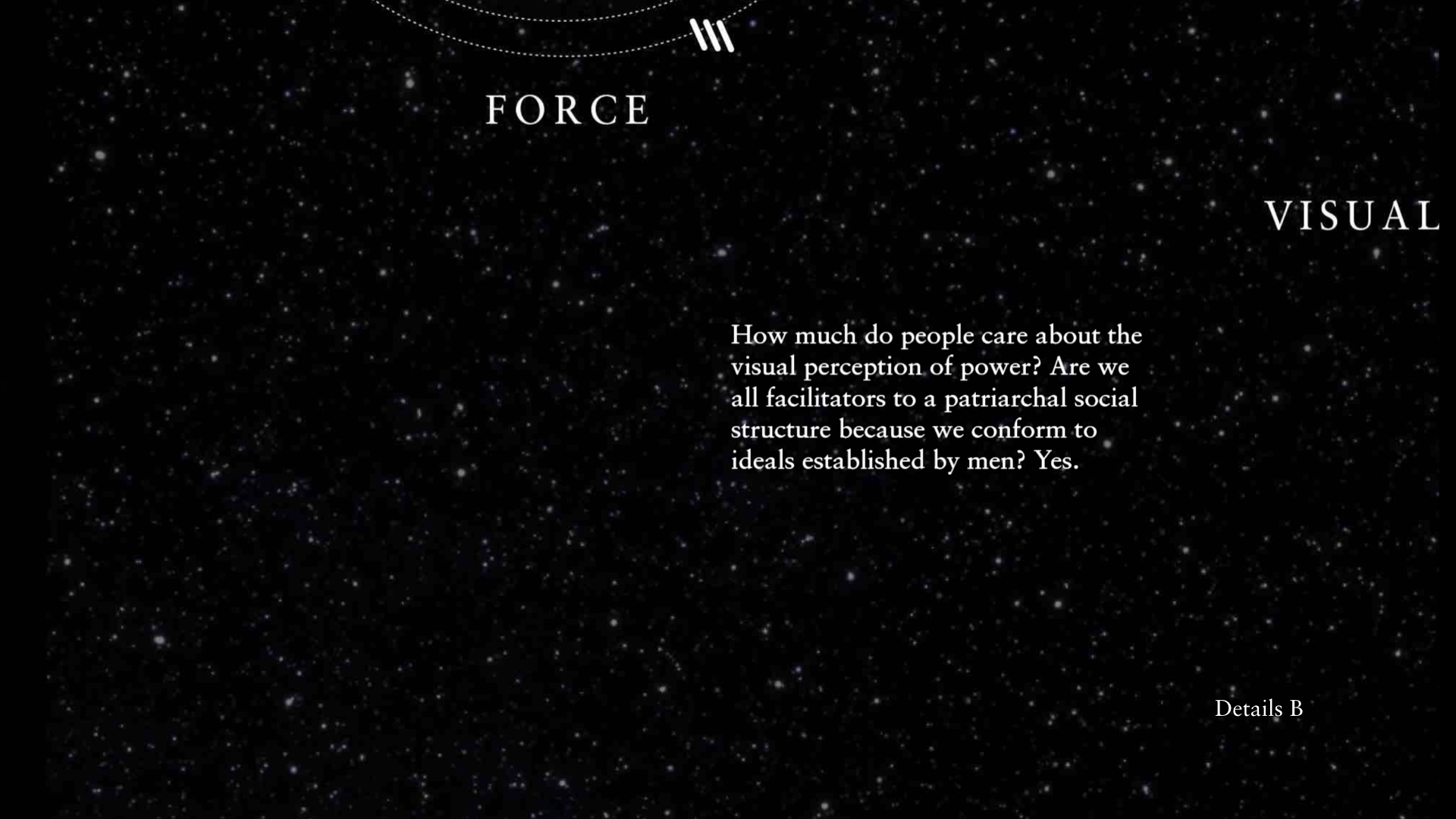
I used code words like patriarchy, imbalance, weaponization, empower, whitewash, discomfort, privilege, force, sexualize, visual appearance to describe the area of my subject. I then categorized the responses from the ethnographic research and cultural probe into these categories and created a new section for the ones that didn't fit my initial speculations. Once populated, the sections gave rise to interpretative code that offered insights into the meaning behind the responses collected.
Using the insights and the values of the subjects, I created a data visualization of the responses as a design response.
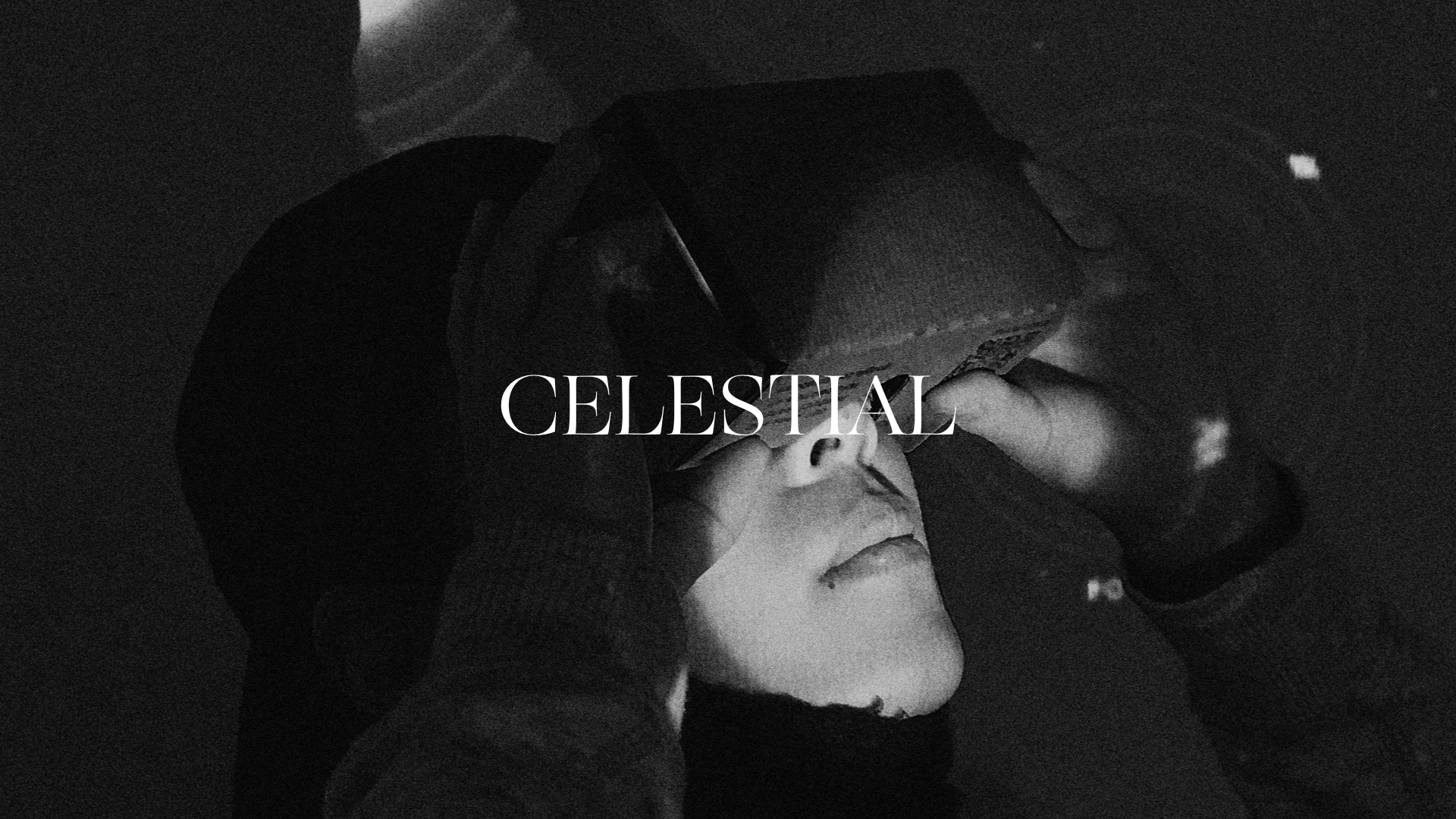
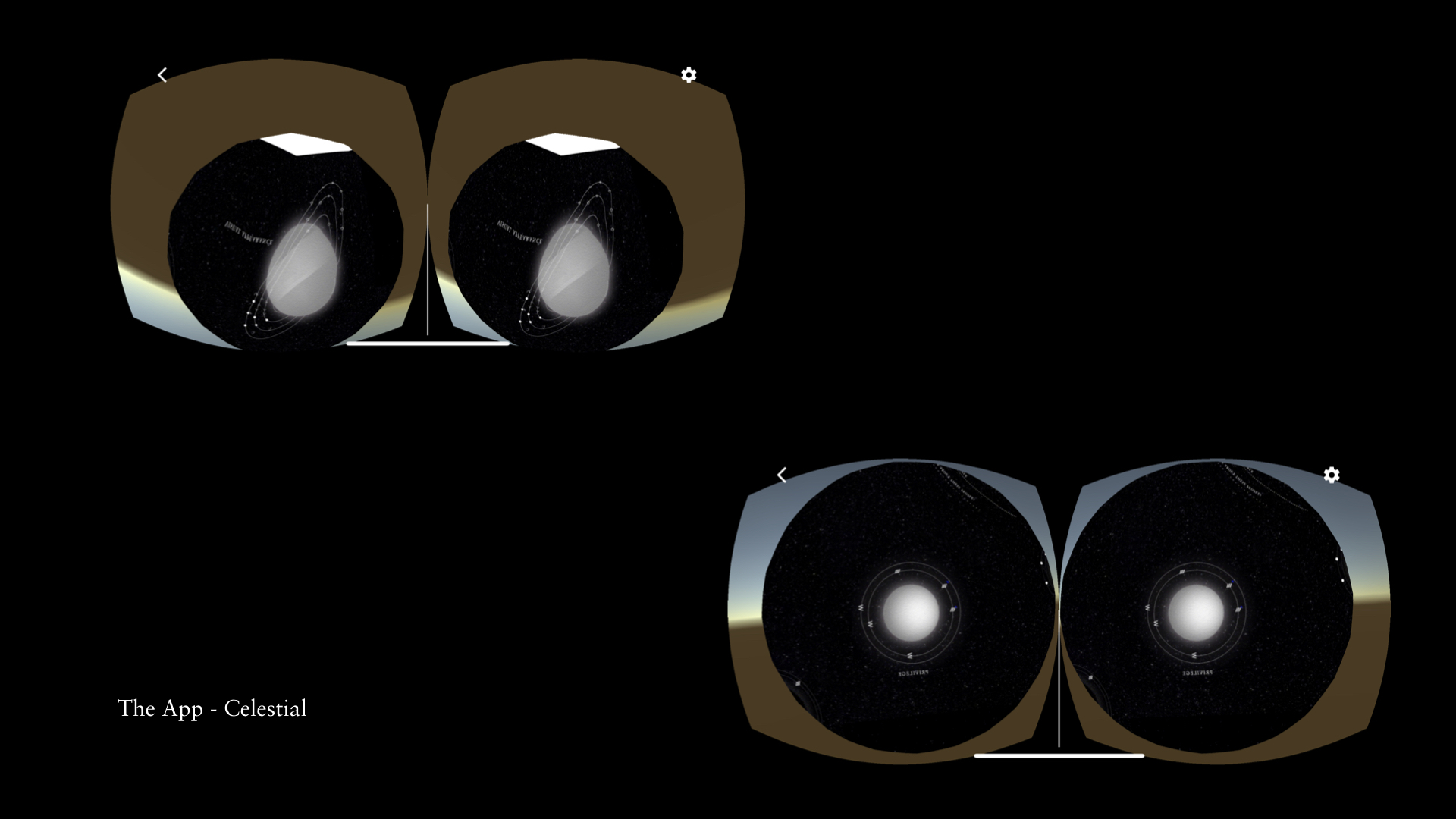
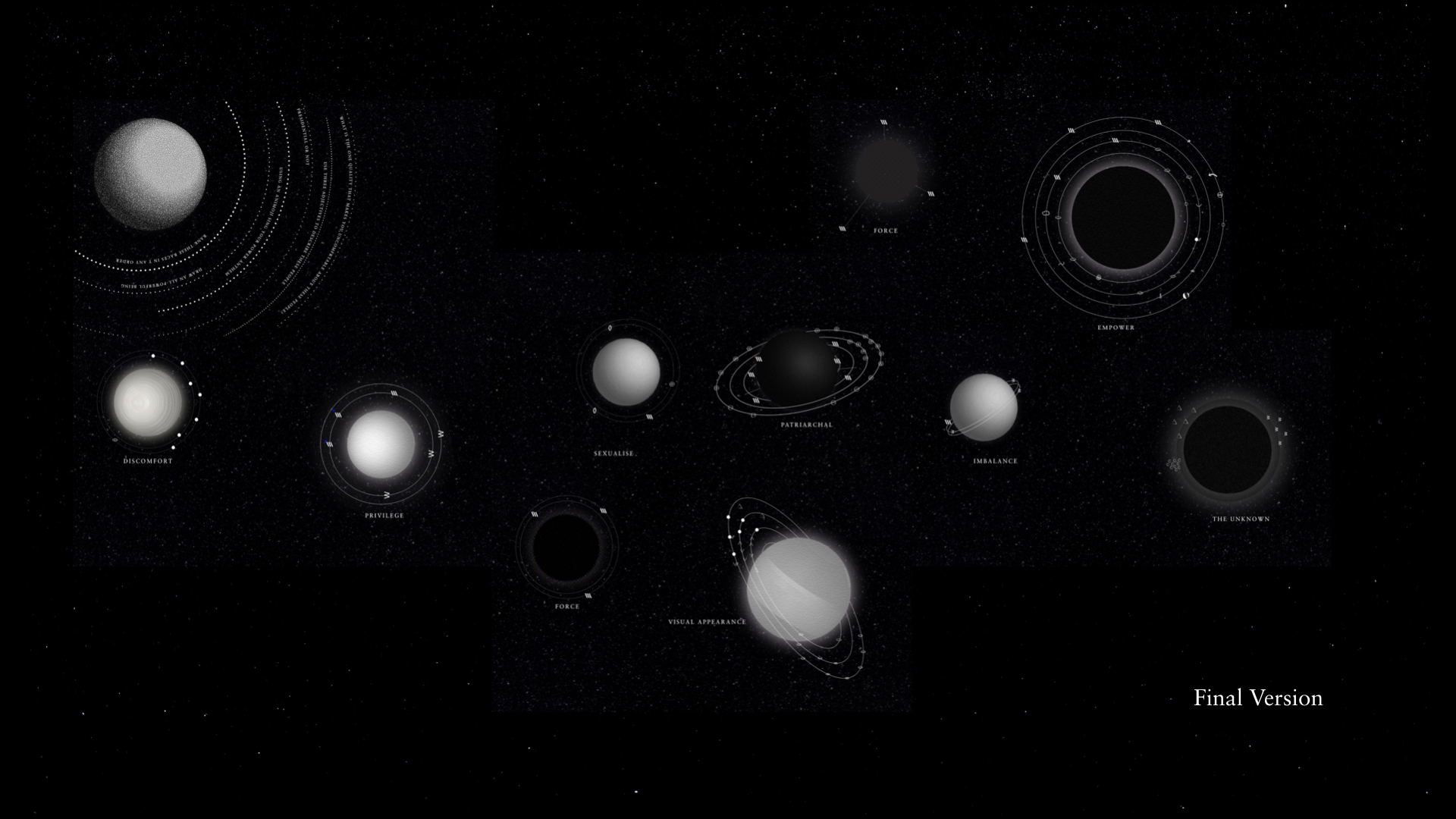
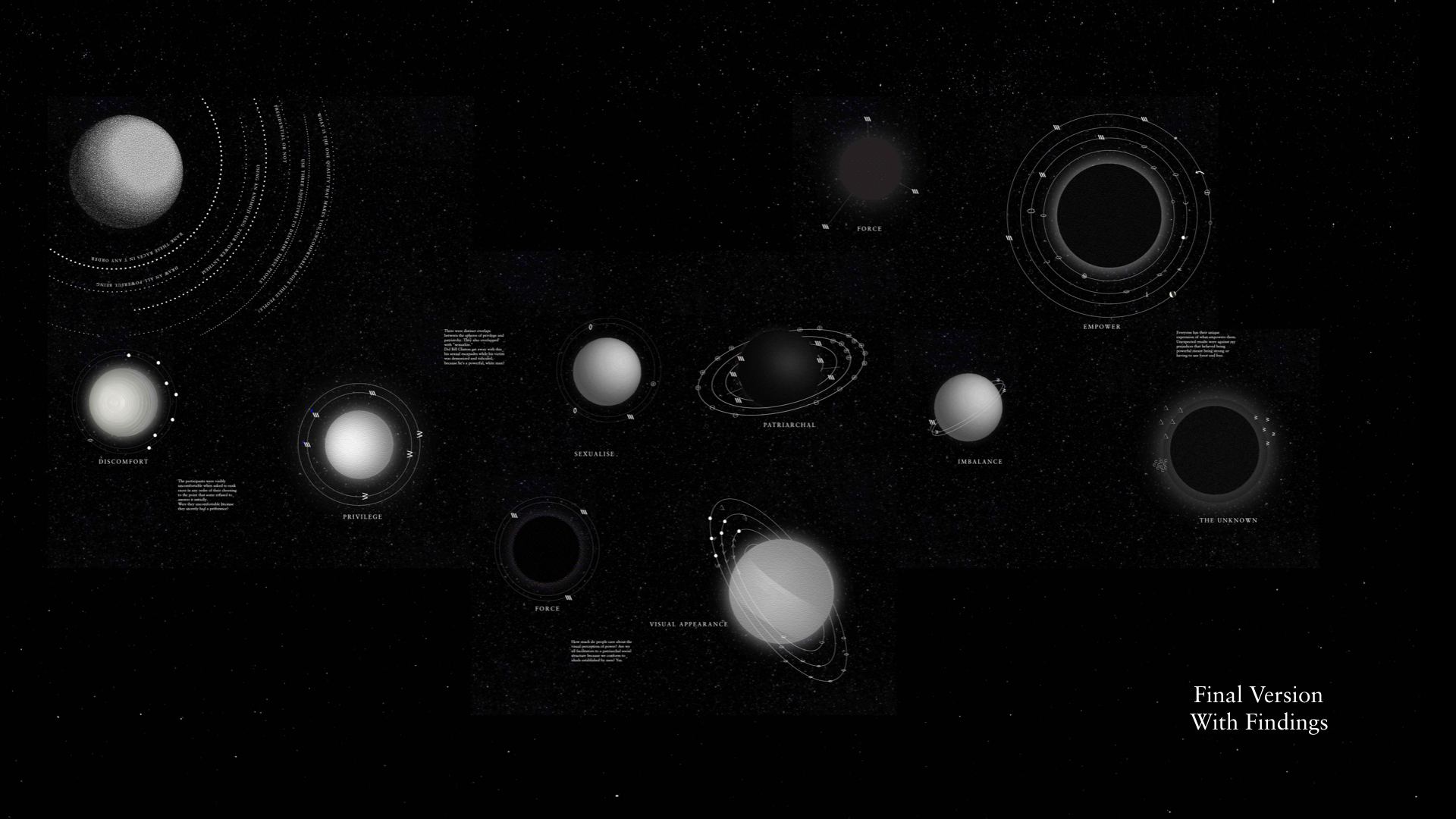
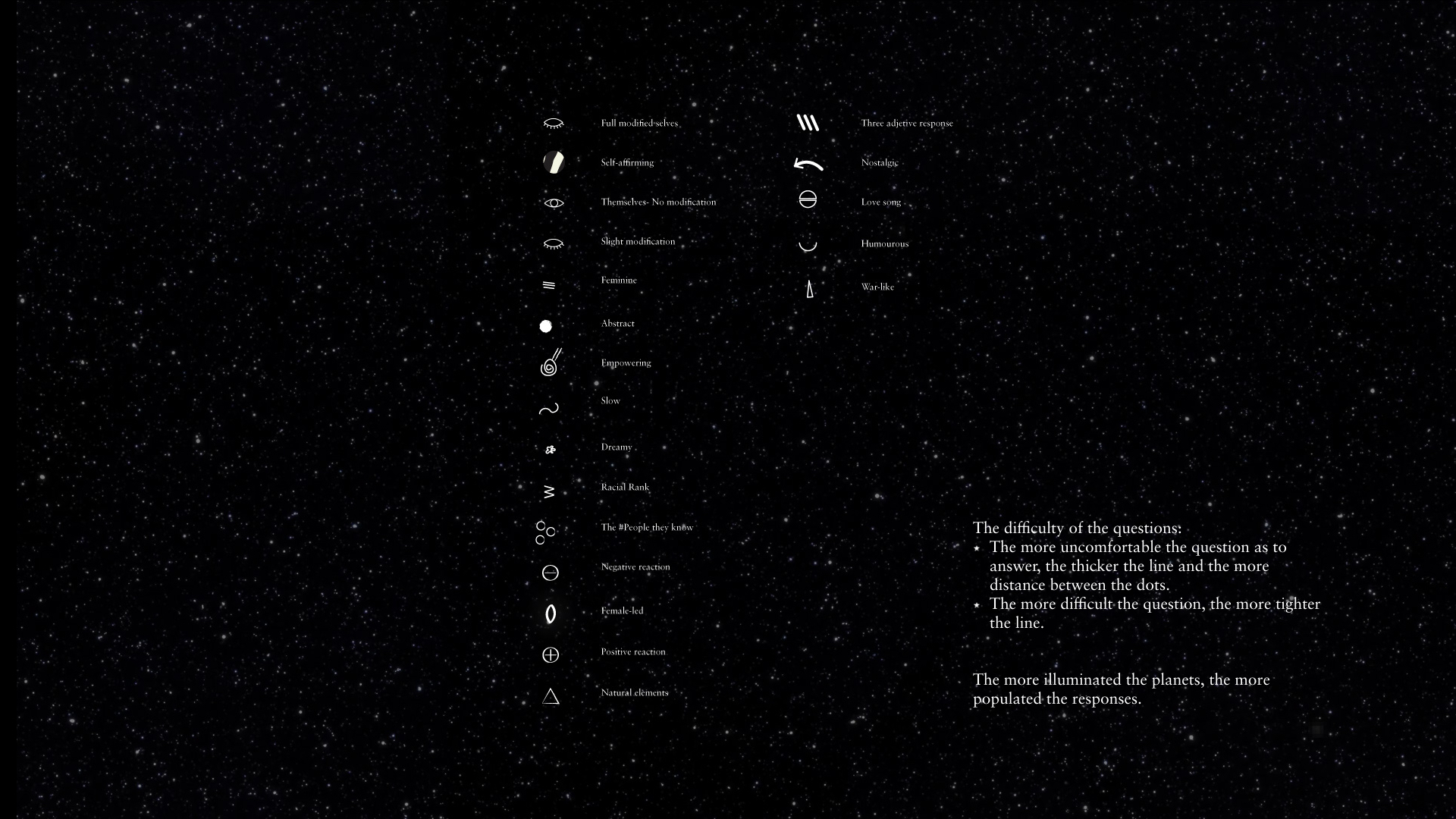
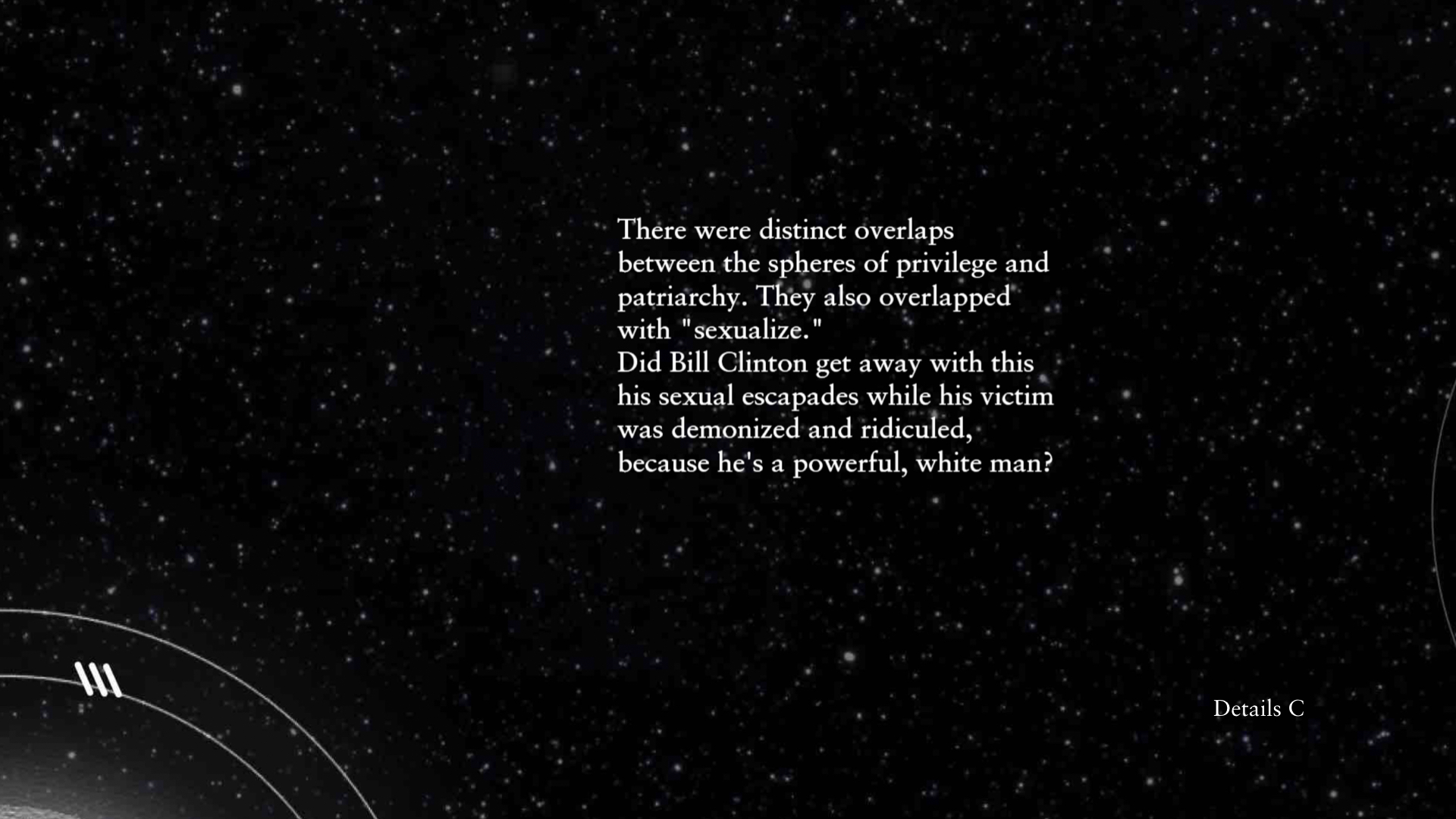
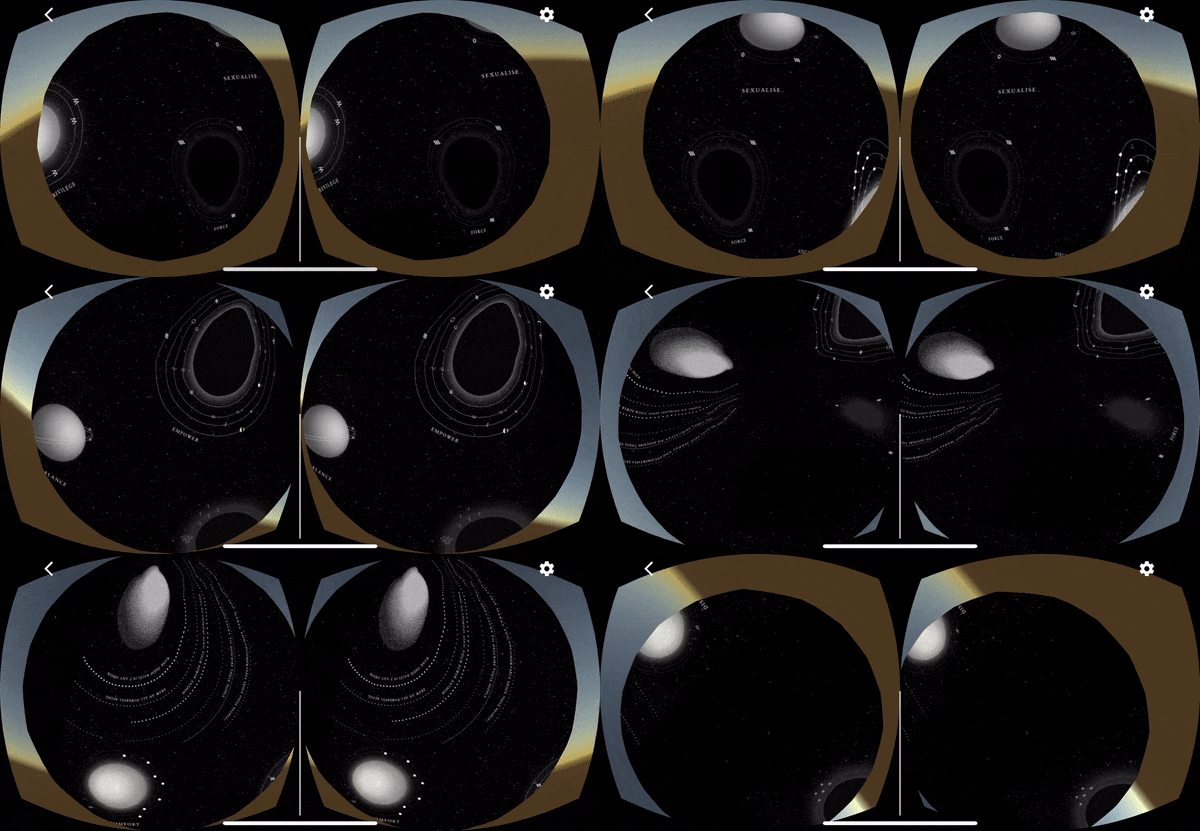
Celestial is a data visualization of the data collected from my cultural probe that attempted to understand how people of all races perceived the concept of power and privilege despite coming from varying backgrounds and nationalities. Each celestial body represented a code like patriarchy, discomfort and, visual representations. The responses showed expected and unexpected results.
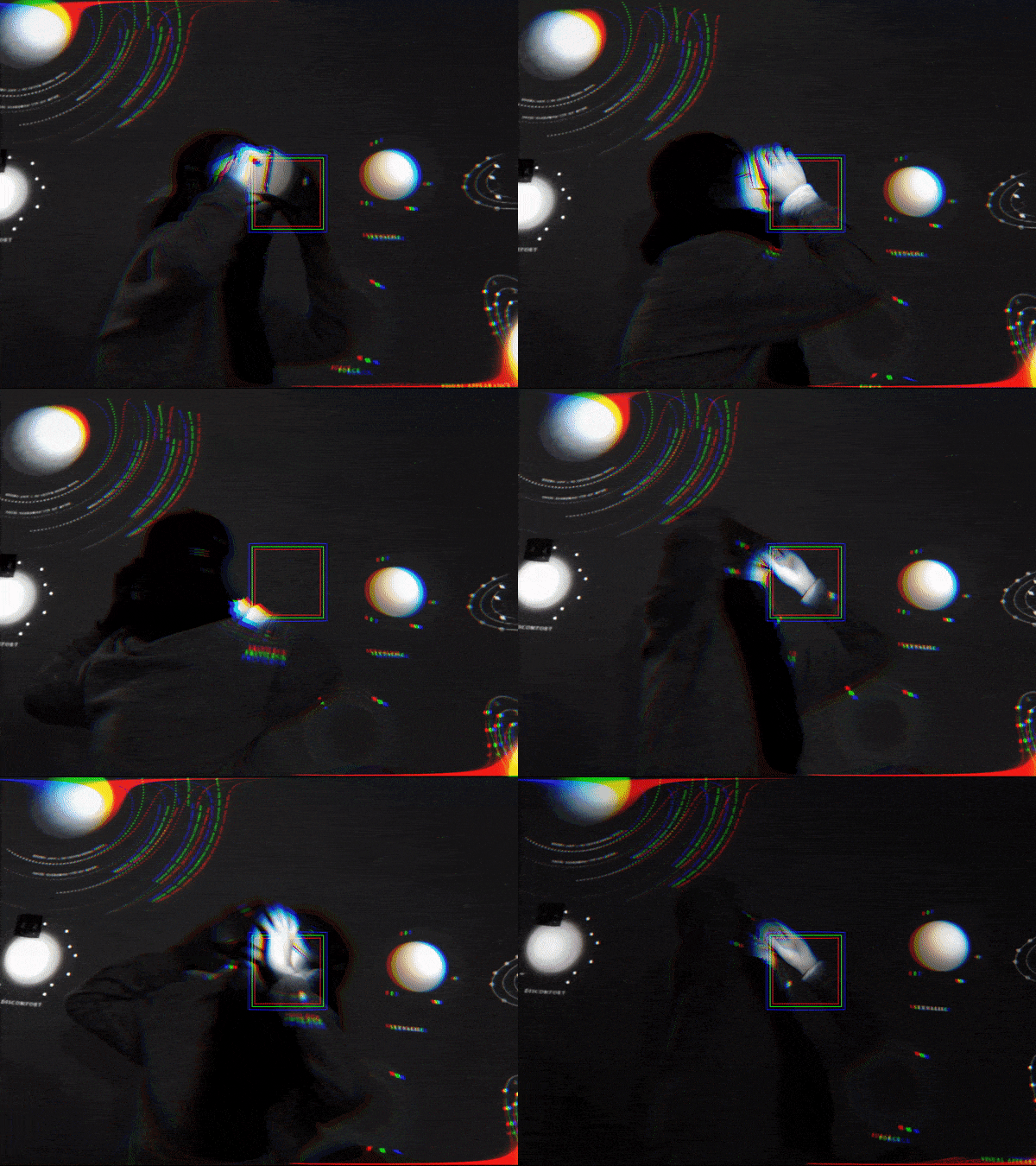
The visual of the space through a lens that is unique to each observer is representative of one's biases and how they see the world through that lens.
I used code words like patriarchy, imbalance, weaponization, empower, whitewash, discomfort, privilege, force, sexualize, visual appearance to describe the area of my subject. I then categorized the responses from the ethnographic research and cultural probe into these categories and created a new section for the ones that didn't fit my initial speculations. Once populated, the sections gave rise to interpretative code that offered insights into the meaning behind the responses collected.
Using the insights and the values of the subjects, I created a data visualization of the responses as a design response.
Celestial is a data visualization of the data collected from my cultural probe that attempted to understand how people of all races perceived the concept of power and privilege despite coming from varying backgrounds and nationalities. Each celestial body represented a code like patriarchy, discomfort and, visual representations. The responses showed expected and unexpected results.
The visual of the space through a lens that is unique to each observer is representative of one's biases and how they see the world through that lens.
ANCHORS
AHOY
ART DIRECTION
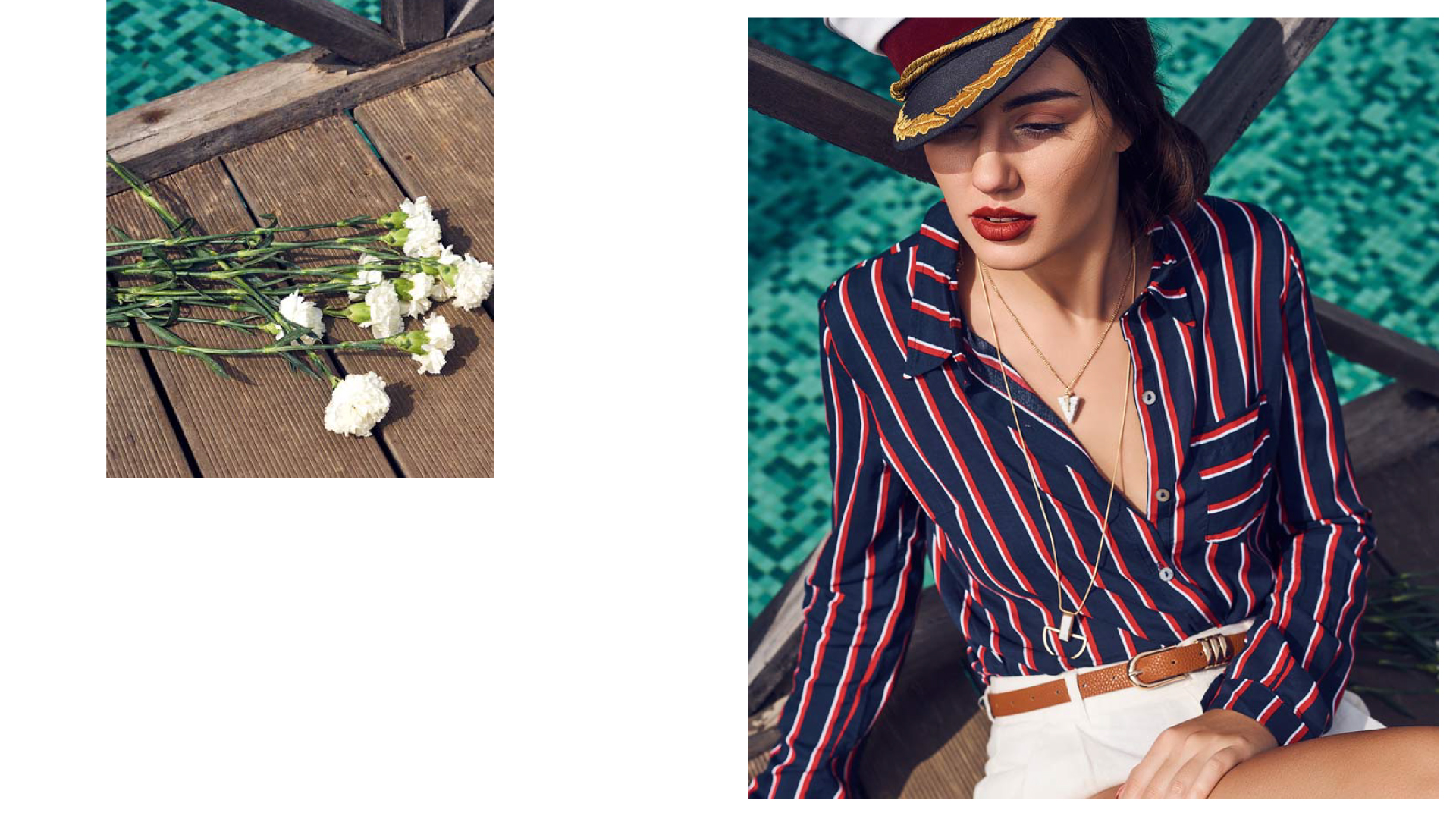
The brief was to shoot the
nautical trend for SS’16.
The concept involved the showcasing of the nautical trend with the backdrop of a pool to depict a very relaxed and casual mood. The colors and patterns gave the editorial a vacation-like feeling.


Interconnections:
Data. Food. People.
DATA VISUALIZATION
BRANDS
FEATURES
MUSIC
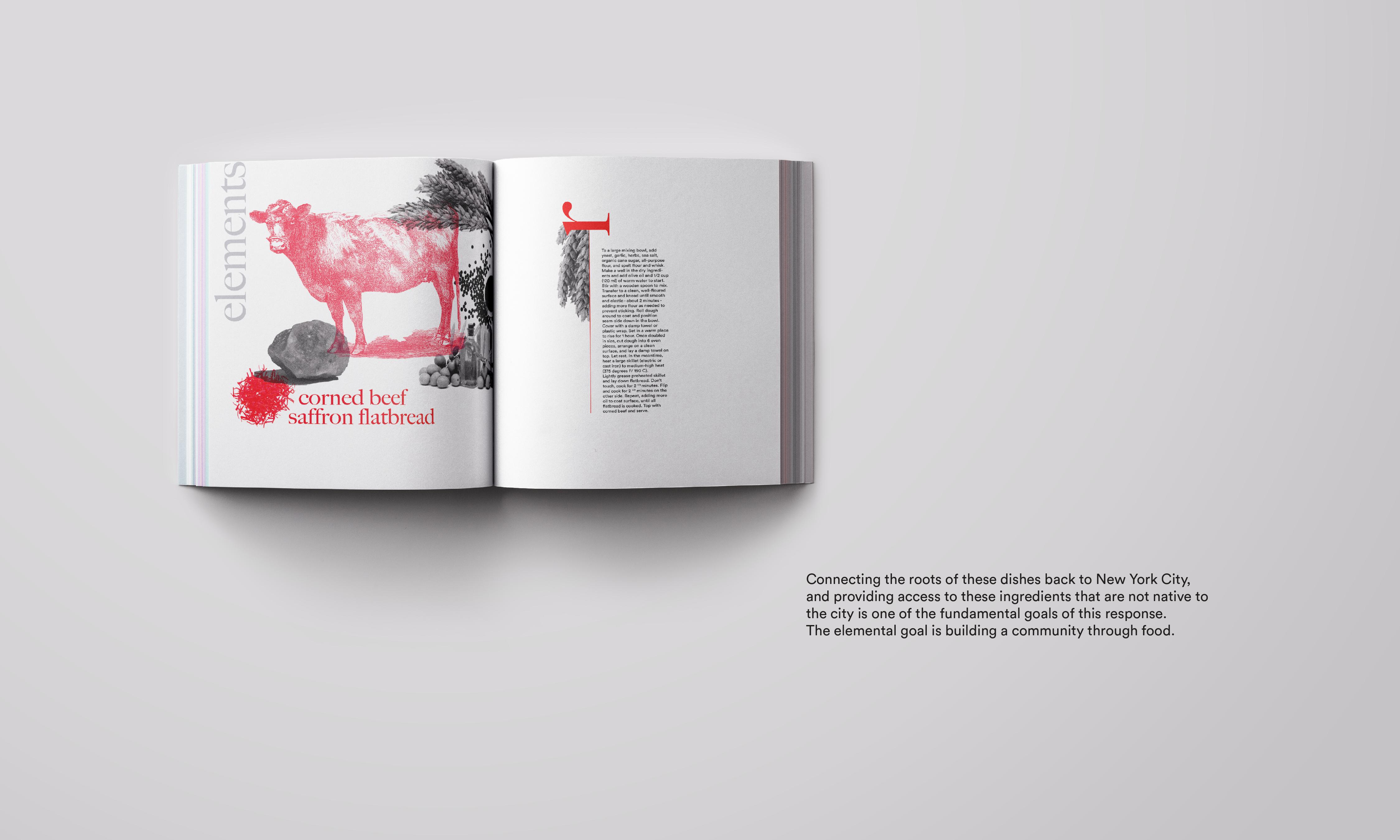
A collection of data-driven mapping of NewYork City to build a narrative of finding connections between people from diverse
ethnic and religious backdrops using food as a unifying element.
Collaborator: Katelyn Gregorowicz
ethnic and religious backdrops using food as a unifying element.
Collaborator: Katelyn Gregorowicz

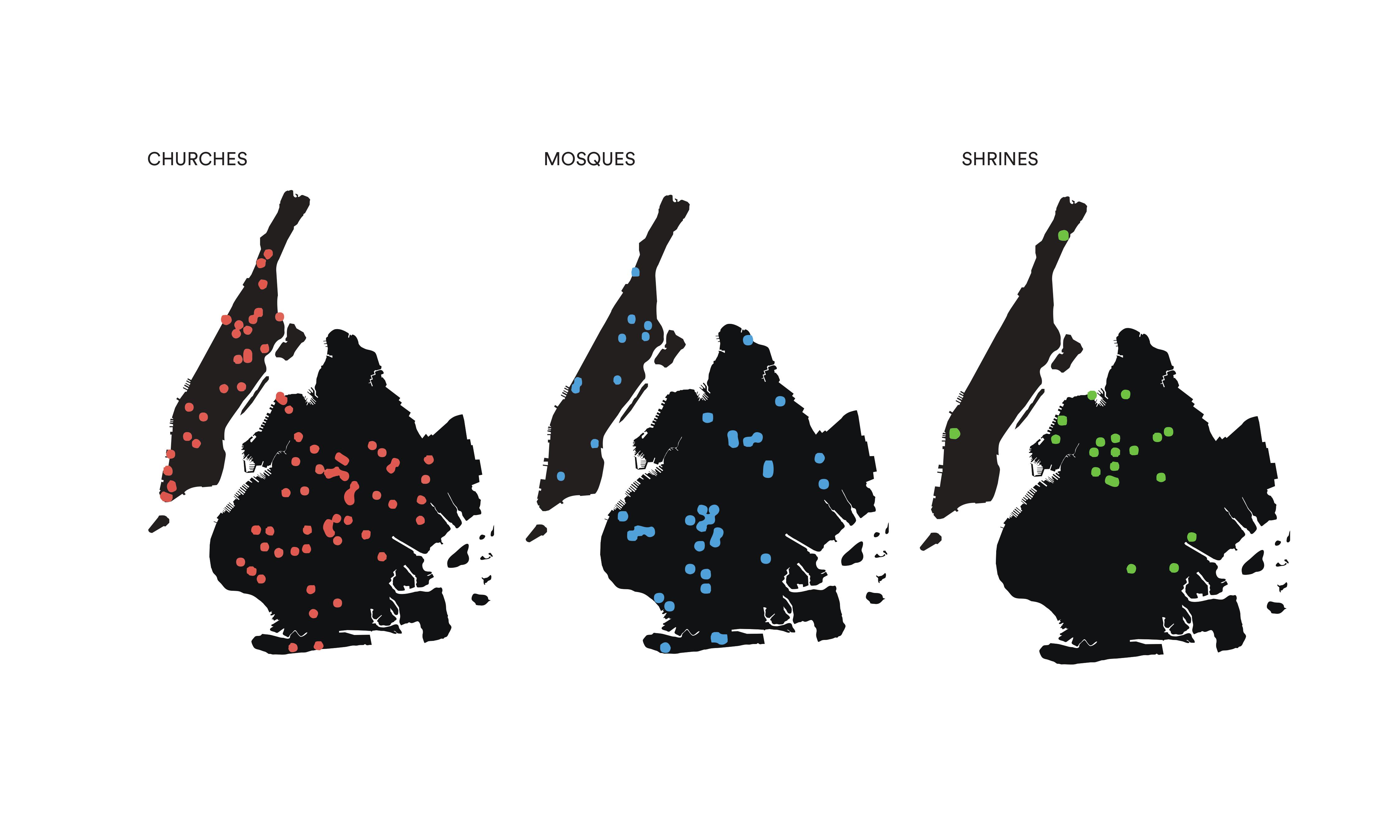
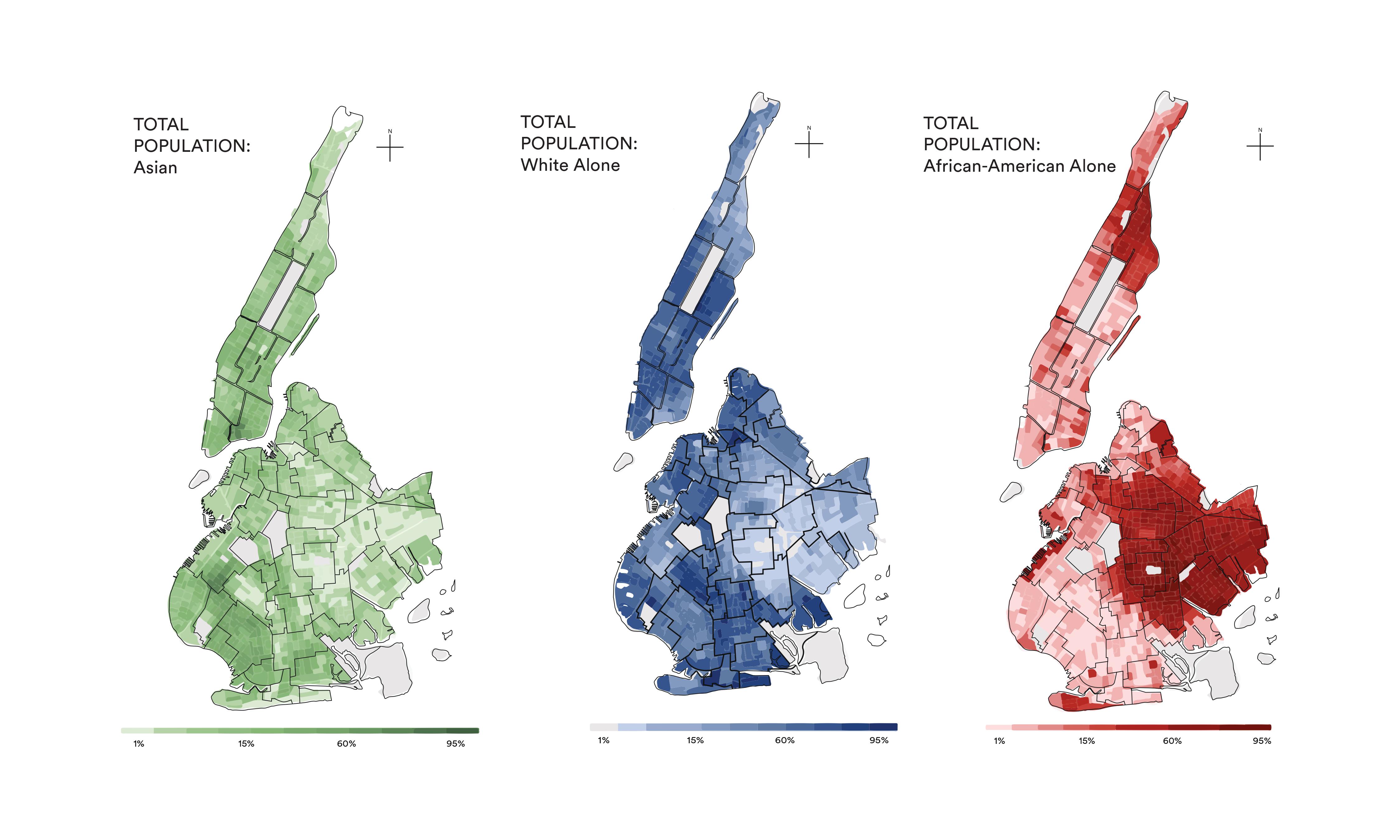
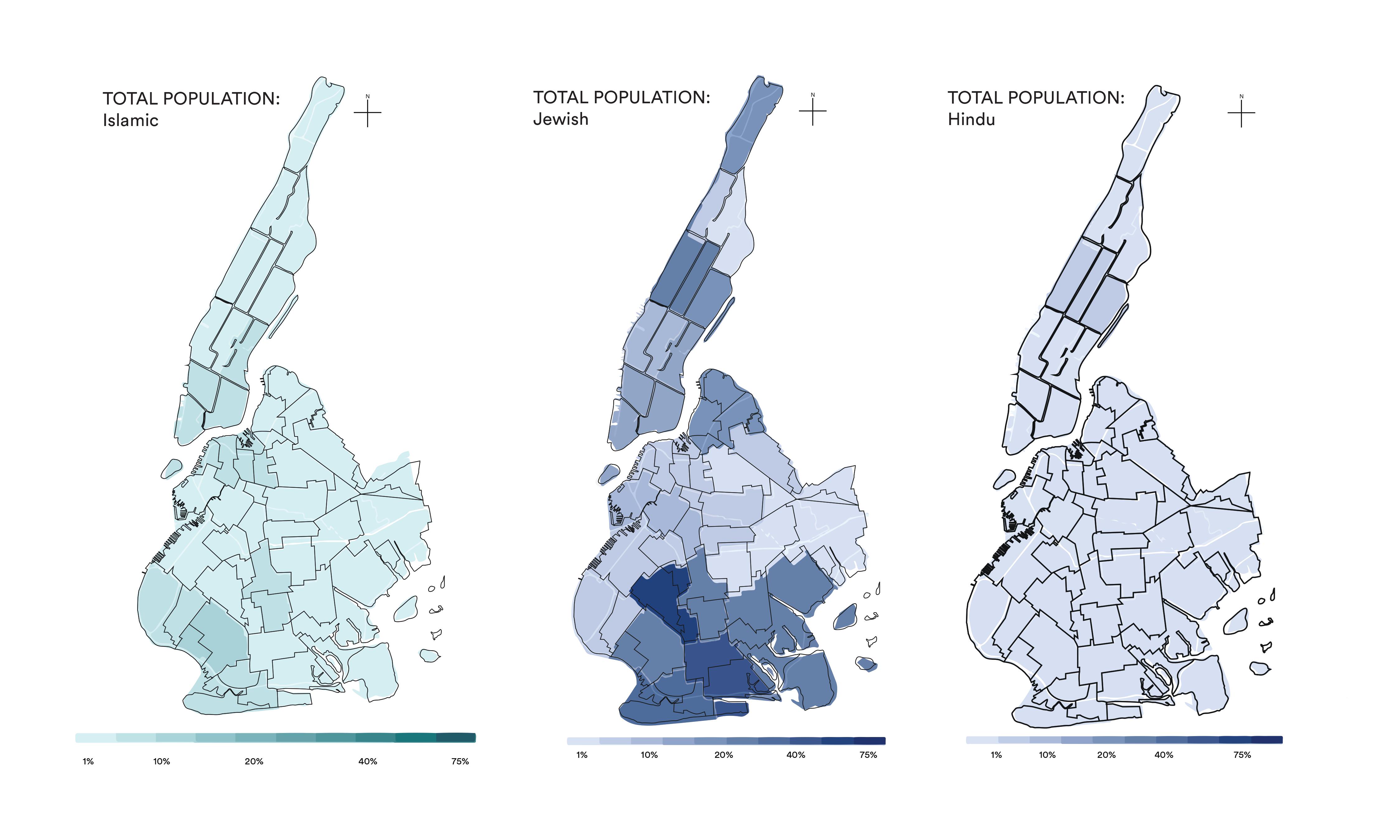
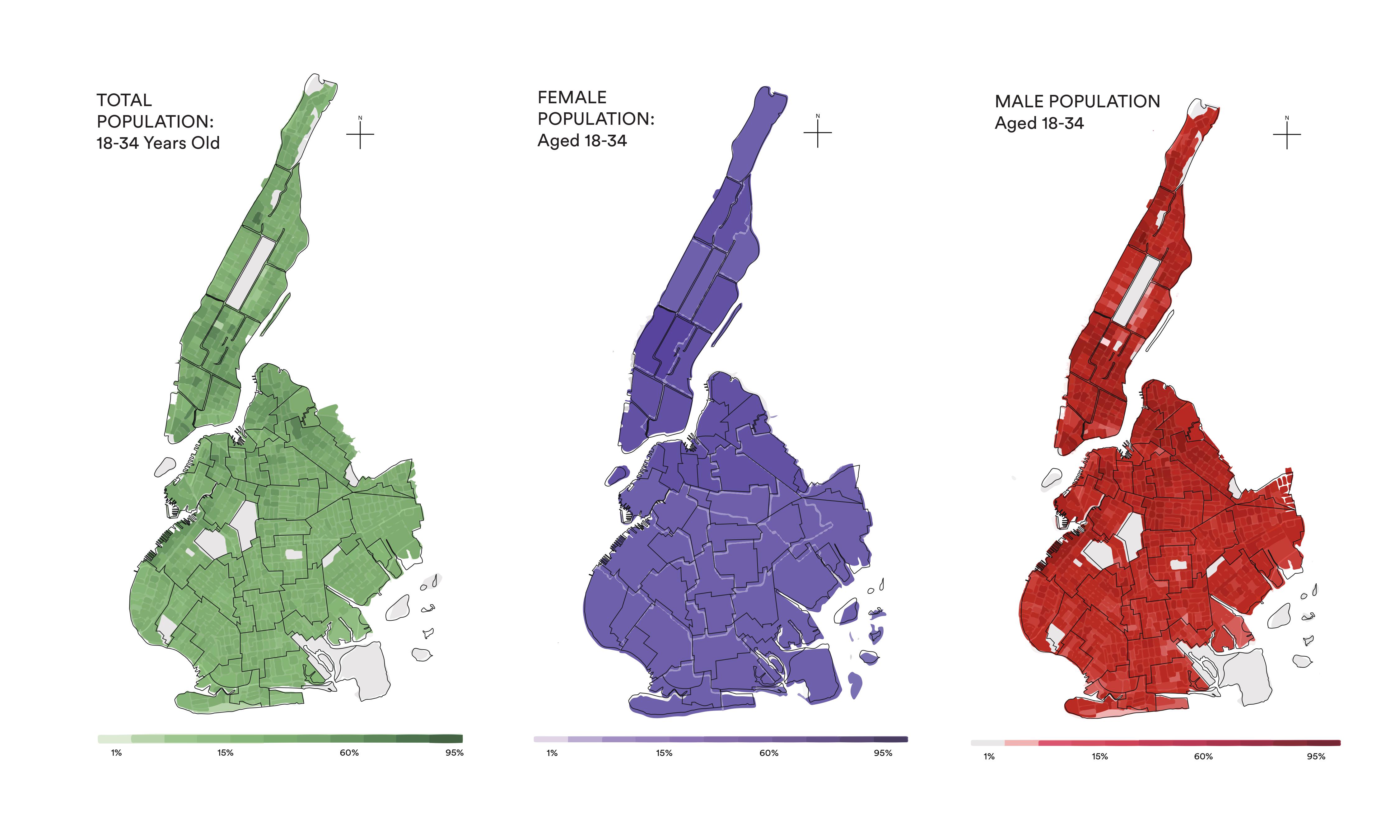
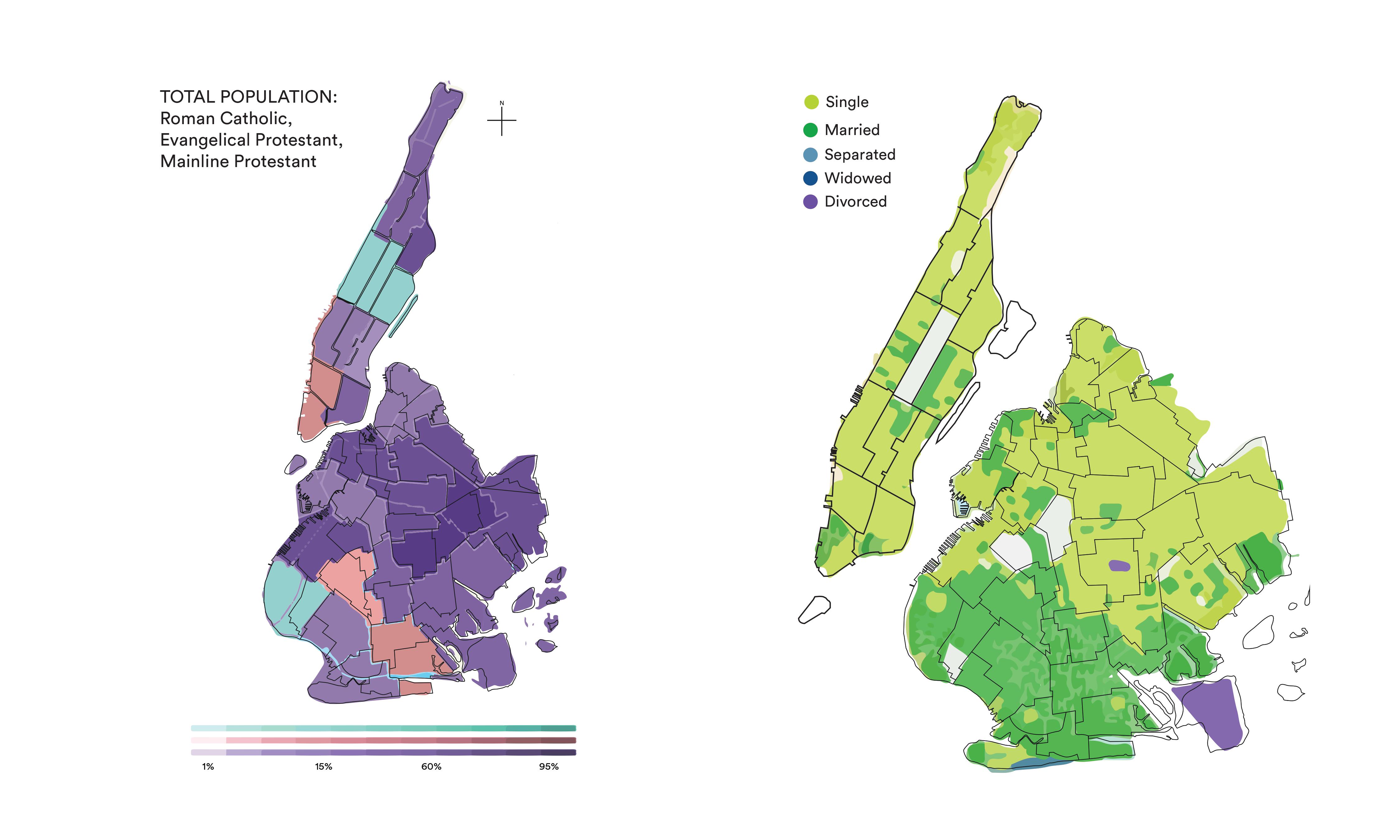
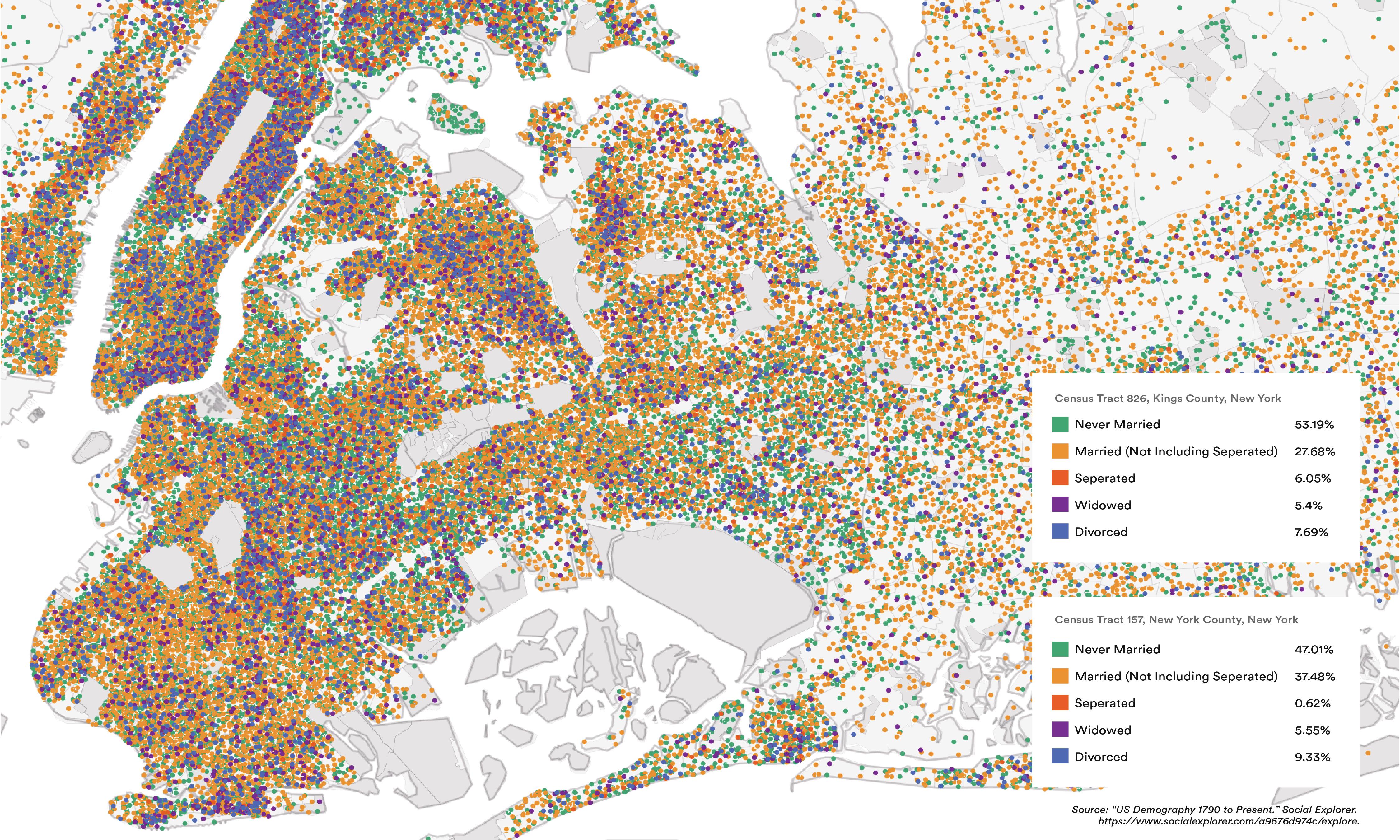
Identifying the locality
After we have narrowed down Manhattan and Brooklyn as our
localities for research, we have studied their development over time
and their fundamental demographic structures through maps,
spatial analysis, and charts.
This layering of information has helped us identify patterns in the
convergence of communities and cultures. We have further
recognized several spheres of the population, gender, religion and
religious buildings using tools and existing databases and assets
from SAVI to GIS.
After we have narrowed down Manhattan and Brooklyn as our
localities for research, we have studied their development over time
and their fundamental demographic structures through maps,
spatial analysis, and charts.
This layering of information has helped us identify patterns in the
convergence of communities and cultures. We have further
recognized several spheres of the population, gender, religion and
religious buildings using tools and existing databases and assets
from SAVI to GIS.
Critical Response
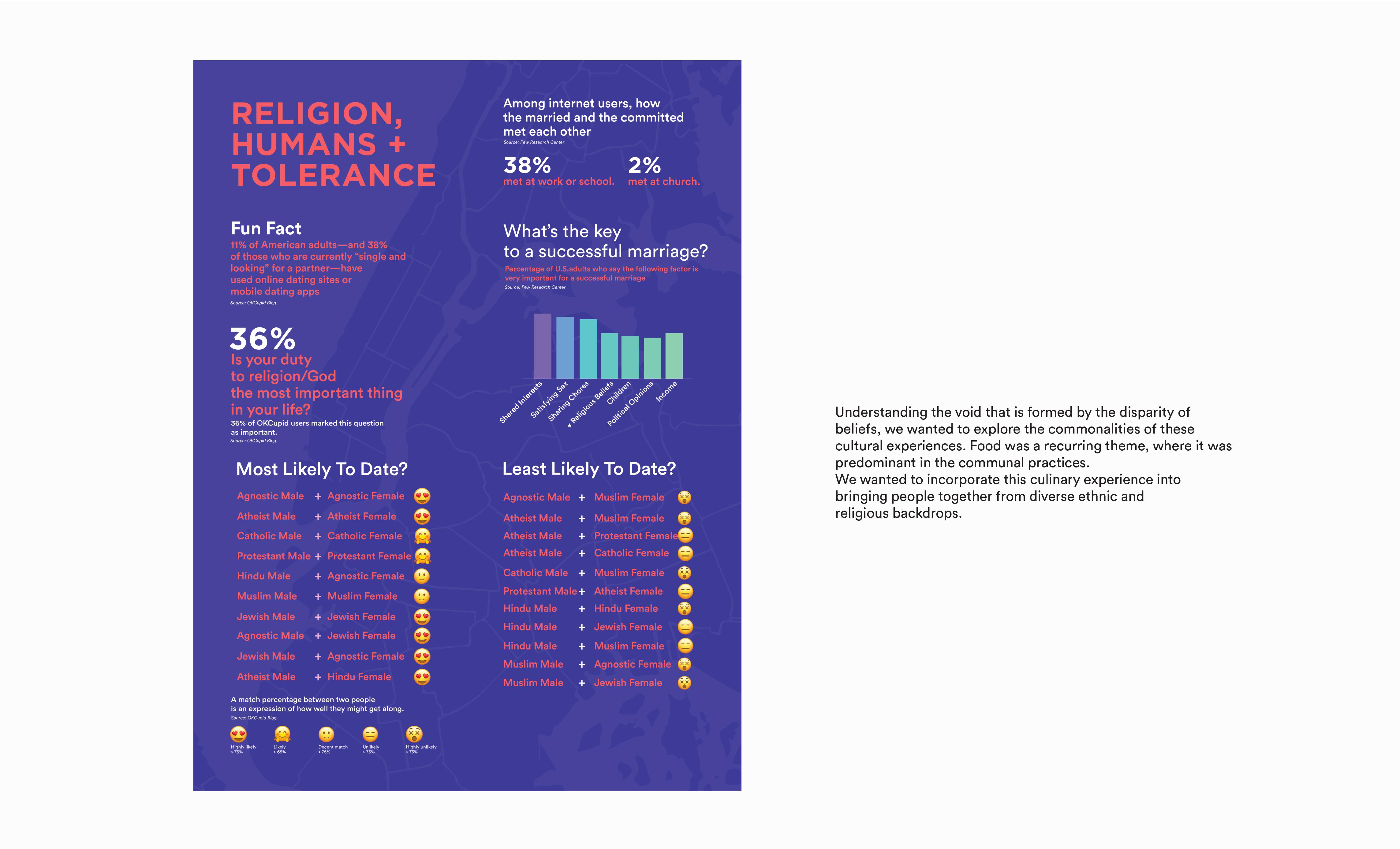
By executing research through design, using visual treatment in
the form of charts and infographics, we further identied the
intrinsic need for human connections in the city. The data
demonstrated that the planes that were least likely to correlate
were religion and dating and how segregated people are in the
city. We wanted to bring a modern twist to let people
experience other people’s backgrounds. In this day and age
with such dierent viewpoints in the world, we wanted to
create an open space and experience to understand each other
truly and to build bridges to connect with new people.

Design Process
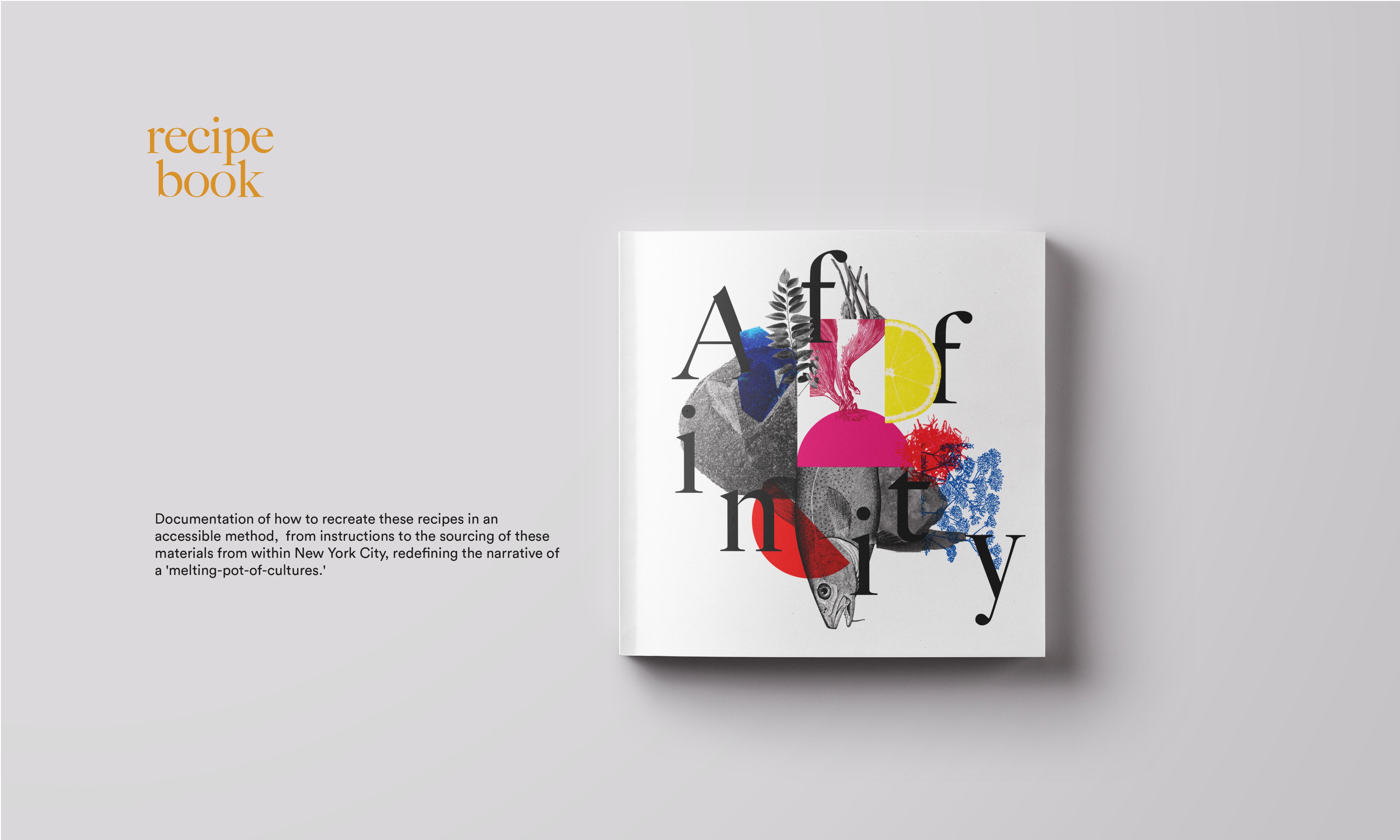
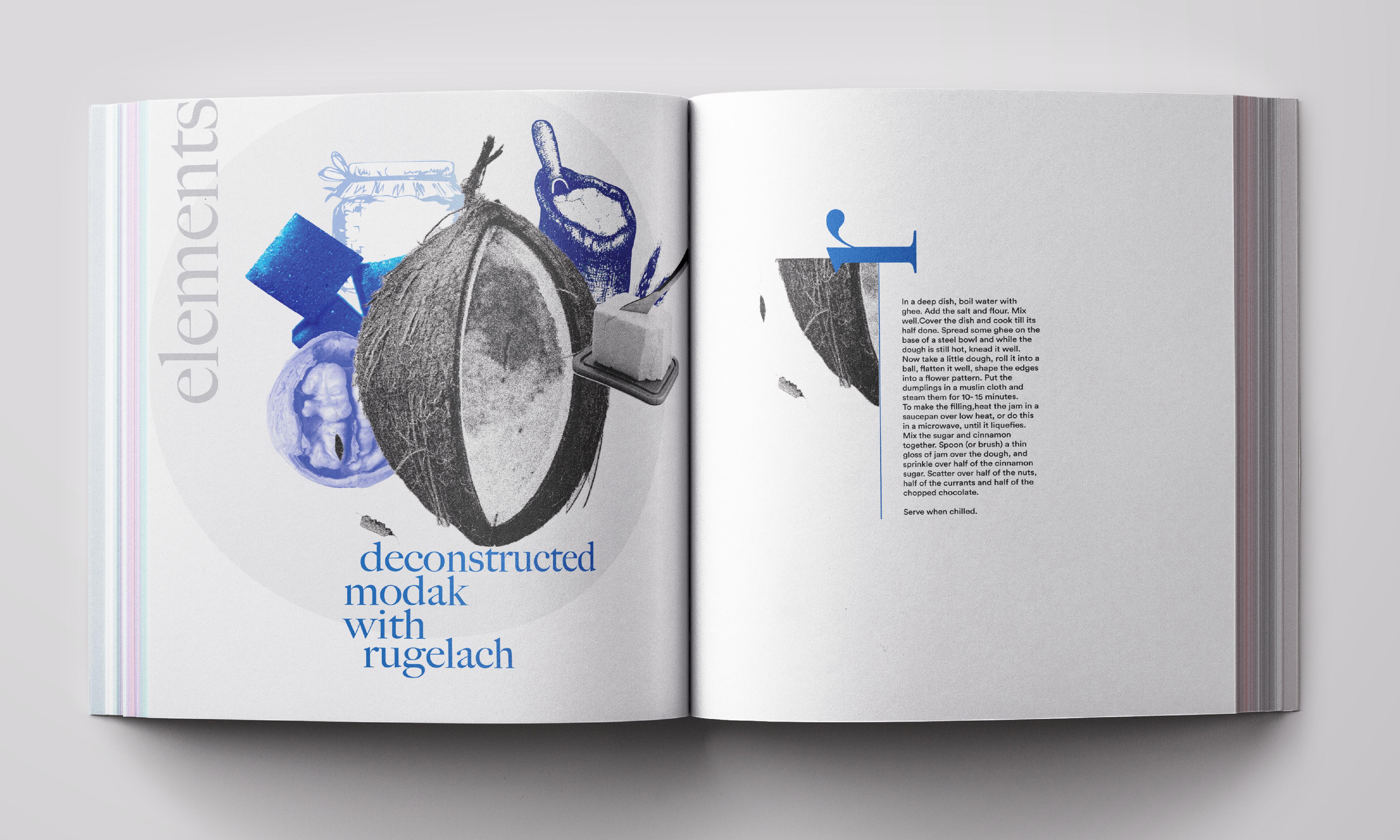
Designing a social response that brings together people from
diverse ethnic and religious backdrops using spatial and
culinary experiences using deconstruction as a methodology.
Deconstructing the food to fuse multiple cuisines while being
respectful of the dietary beliefs of one another, we created
dishes combining elements from dierent religions.
Avoiding traditional colors, and using modernized aspects to
reect the interpretation of the re-imagined religious
culinary experience.
Designing a social response that brings together people from
diverse ethnic and religious backdrops using spatial and
culinary experiences using deconstruction as a methodology.
Deconstructing the food to fuse multiple cuisines while being
respectful of the dietary beliefs of one another, we created
dishes combining elements from dierent religions.
Avoiding traditional colors, and using modernized aspects to
reect the interpretation of the re-imagined religious
culinary experience.


Apeshit: The Remix
GRAPHIC DESIGN
VIDEO
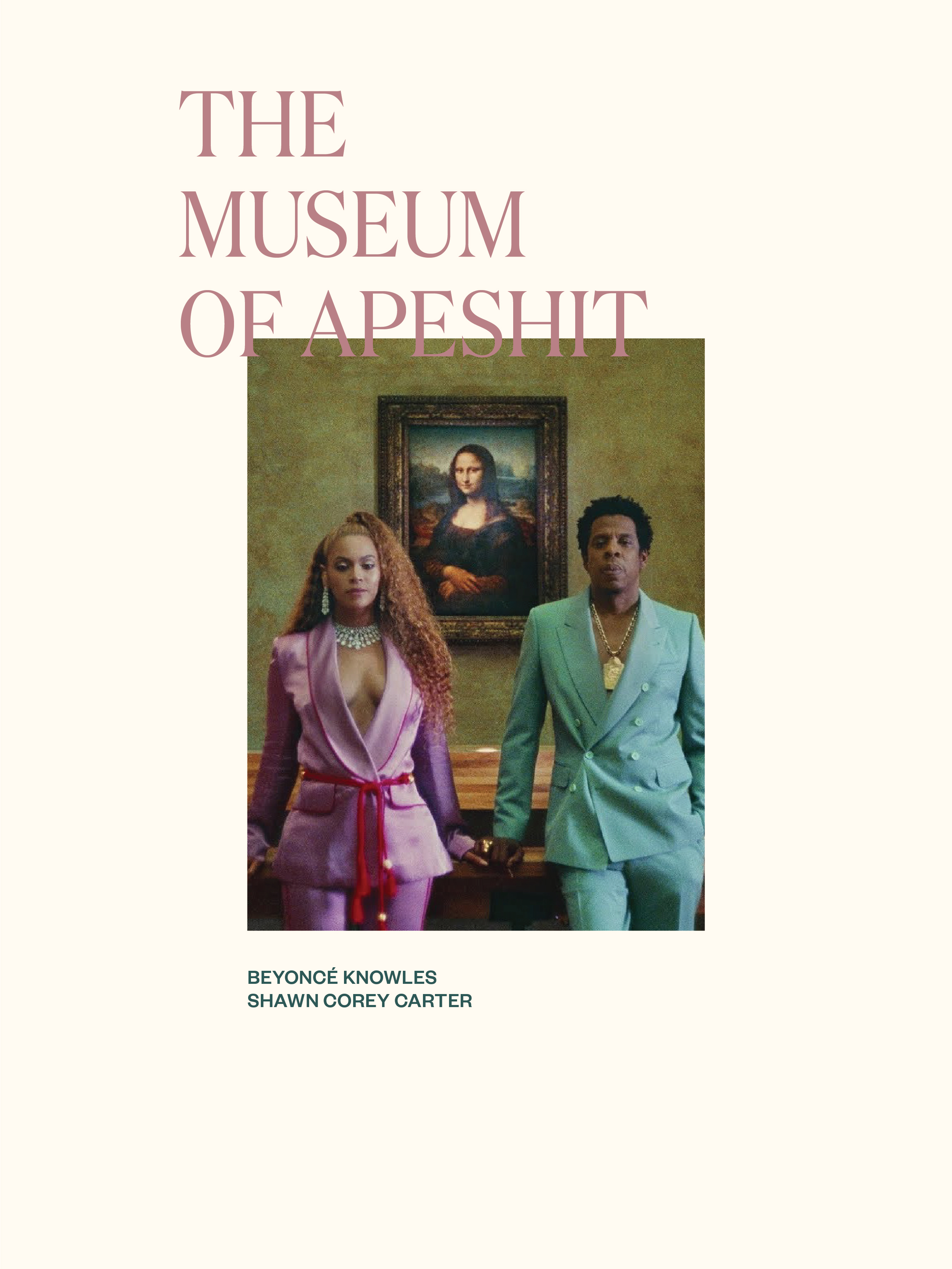
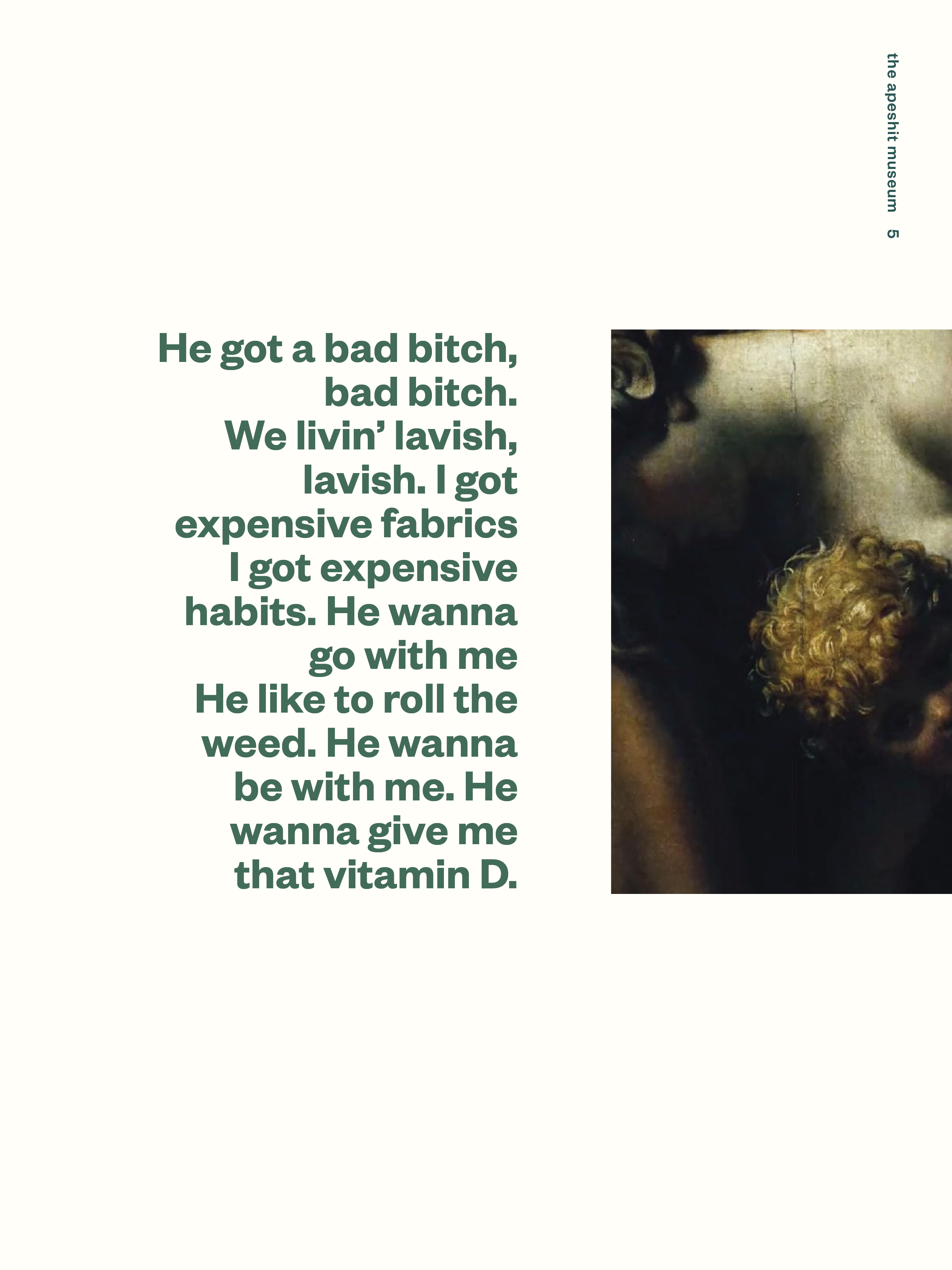
Using my thesis topic of interest, we were tasked with remixing it's original platform four different ways under the constraints: designer-directed, without technology, juxtaposing its original theme and, using only a visual language. Using theme and variation, I worked cross platforms communicating new information while communicating some aspect of the original.
The original piece of work that I chose was The Carter's music video for the song Apeshit. I took inspiration from the Met Gala's Heavenly Bodies exhibit and the video which uses a white space historically to show the slow takeover of power by someone marginalized, in this case, two black powerhouses.
Credits: The Carters
01
The Apeshit Musuem
Using our thesis, topic of interest or artwork we were tasked with remixing it's original platform four different ways under the constraints:
designer-directed,without technology, juxtaposing its original theme and, using only a visual language. Using theme and variation from project one think about how you will work cross platforms communicating new information while communicating some aspect of the original.




02
Apeshit: The Funk Edition
Taking inspiration from Adrian Piper's collaborative performances,
Funk Lessons, where she worked with several groups of people, this iteration takes a look at 80s dance videos. Funk music, dance, and the soul train are all primarily popular branches of entertainment in the black community.
And the 80s disco, workout videos are both heavily influenced by funk music and even use the Soul Train which was popularized by the TV show of the same name. This adaption and appropriation by white culture incited this reinterpretation of the song Apeshit.
Funk Lessons, where she worked with several groups of people, this iteration takes a look at 80s dance videos. Funk music, dance, and the soul train are all primarily popular branches of entertainment in the black community.
And the 80s disco, workout videos are both heavily influenced by funk music and even use the Soul Train which was popularized by the TV show of the same name. This adaption and appropriation by white culture incited this reinterpretation of the song Apeshit.
😒 Snigdha Pamula, 2026 ©